

Resolve Title Issues and Liens to Achieve Clear Title

Luxurious waterfront mansion with a pool and palm trees.

Clearing a Property Title: Practical Steps to Resolve Title Issues and Remove Liens

By Gina Morgando, Morgando Realty Services

Property ownership often looks straightforward—until a title problem or lien appears. A clear title is required to sell, refinance, or confidently assert ownership. This article explains common title defects and lien types, outlines the practical steps to clear a title, and shows how title insurance and local rules affect the process. You’ll also learn how local practices in Sarasota and Manatee counties matter and how Morgando Realty Services can guide you through each step.

Title problems discovered late in a transaction often lead to delays, unexpected costs, and strained negotiations. For sellers, a clouded title can delay closing or require payoff transactions at closing. For buyers and lenders, unresolved claims create risk that may require additional protections or even cause a deal to fall apart. Understanding likely problems early and having a plan to address them preserves value and reduces stress.

For owners who plan to refinance or place a mortgage, title defects can affect loan approval or require additional underwriting steps. Lenders typically insist on a clear title or an acceptable cure plan before funding; knowing the potential obstacles in advance helps homeowners prepare the necessary documents and avoid last-minute surprises.

Common Title Issues and the Most Frequent Property Liens

Title problems can come from many places and quickly derail a sale or refinance. Typical issues include unpaid liens, claims from undisclosed heirs, and mistakes in legal descriptions. Recognizing these risks early helps buyers and sellers avoid costly delays and disputes.

Common scenarios that create problems:

  • Unreleased mortgages or refinances where the prior lender didn’t record a satisfaction.
  • Forged or improperly executed documents in the chain of title.
  • Undisclosed heirs or intestate estates where a deceased owner left no clear successor.
  • Easements and rights-of-way that were not identified or recorded correctly.

A lien is a legal claim against property to secure a debt, and it can prevent transfers until it is resolved. The liens you’re most likely to encounter are mechanics liens, judgment liens, and tax liens. Mechanics’ liens are filed by contractors or suppliers who haven’t been paid. Judgment liens come from court rulings against an owner, and tax liens are imposed by government authorities for unpaid taxes. Knowing how each works is key to managing title risk.

What Causes Title Defects?

Title defects cover any issue that weakens the legal standing of a property title. Common causes include recording errors, incomplete or missing signatures on deeds, and incorrect property descriptions. Even small clerical mistakes in public records can trigger ownership questions later.

Additional causes to watch for include:

  • Clerical errors in legal descriptions (wrong lot numbers, incorrect plat references).
  • Missing releases from prior loans, especially where lenders failed to record satisfactions.
  • Unrecorded or informal agreements—oral contracts, unrecorded easements, or informal releases that lack the required public filing.
  • Title transfers that used the power of attorney without proper notarization or authority documentation.

Boundary disputes are another frequent cause: if neighbors disagree about property lines, the disagreement can escalate into formal litigation or require a professional survey and negotiated settlement. Identifying likely sources of defects early gives owners options to resolve problems before they become formal claims.

Preventive steps—ordering a comprehensive survey, confirming that payoffs are recorded, and verifying heirs or beneficiaries—often prevent many title issues from affecting a transaction. Early investigation reduces the need for costly court actions later.

Mechanics, Judgment, and Tax Liens — How They Differ
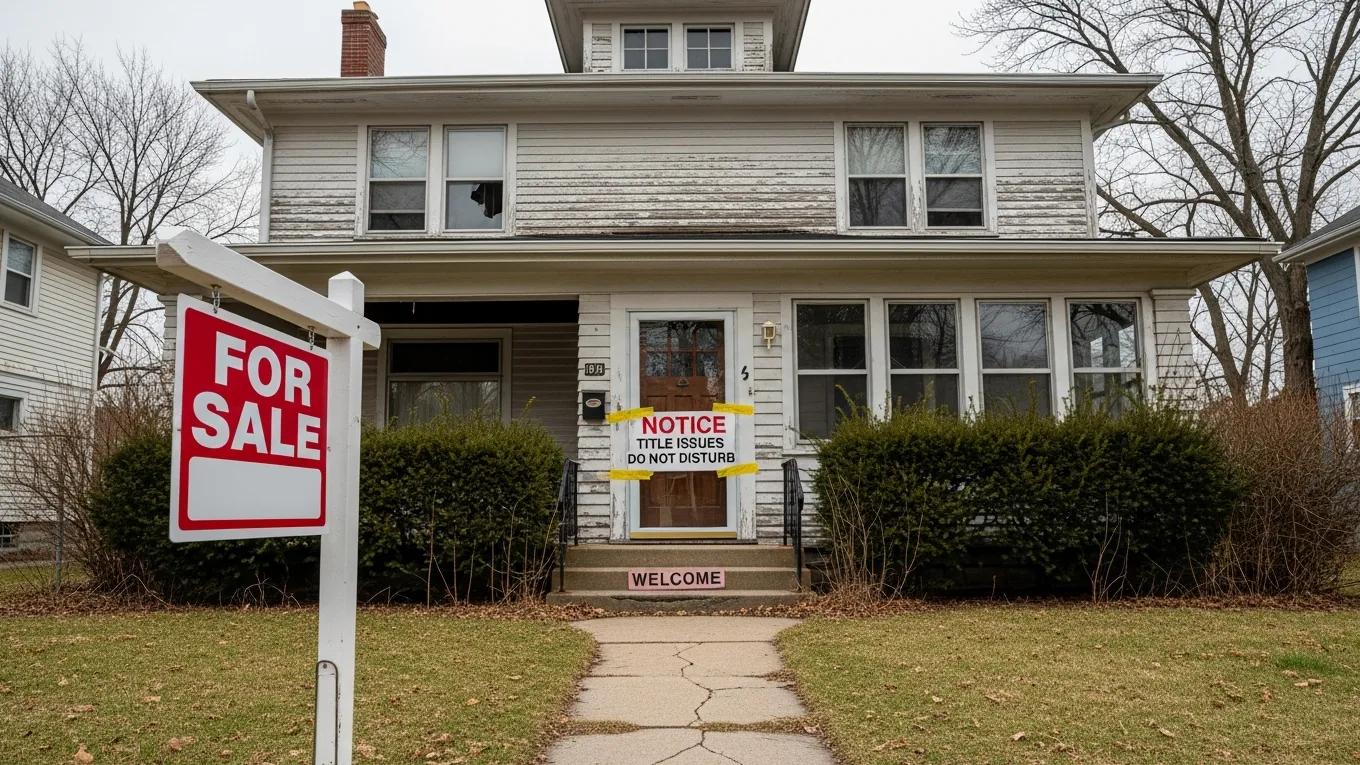
Each lien type carries different consequences and timeframes. Mechanics’ liens, for example, are claims by contractors or suppliers for unpaid work and can block sales until paid or released. Their procedures and deadlines vary by state, making local expertise important.

Knowing the scope and timing of mechanics’ lien laws helps both contractors and property owners protect their interests.

Maryland Mechanics’ Lien Law: Scope, Effect & Priority

A review of Maryland mechanics’ lien law examines how lien rights are acquired or waived, the notice and filing procedures required, and how mechanics’ liens rank against other claims. Understanding these elements clarifies when and how a lien can affect title transfer.

The Maryland Mechanics’ Lien Law—Its Scope and Effect, 1968

Judgment liens arise when a court awards a creditor a legal claim against the debtor’s property. These liens typically stay attached to the property until the judgment is paid or otherwise satisfied, so addressing judgments promptly is essential.

Judgment liens often require specific steps to uncover and cure: locating the judgment creditor, confirming whether the judgment has been satisfied or appealed, and obtaining a recorded satisfaction or release. When a judgment is old, a review of its enforcement status—whether it remains enforceable under state law—forms a key part of the title examiner’s work.

Tax liens are imposed for unpaid property taxes and can lead to foreclosure if left unresolved. Because governments have strong enforcement powers, clearing tax liens quickly should be a priority for affected owners.

Tax liens differ from other liens in priority and enforcement. Tax authorities often have priority over other claims and may pursue strict remedies, including tax deed sales or tax lien certificates, depending on local law. Resolution typically involves payment, an installment plan when available, or legal defenses in limited circumstances.

The Title Clearance Process — What to Expect

Clearing title is a stepwise process designed to identify and remove legal obstacles to the transfer of ownership. It usually begins with a detailed title search to uncover liens, claims, and any defects recorded against the property.

A thorough title search produces a title report or commitment that lists exceptions: items the title company will not insure unless cured or covered by an endorsement. Common exceptions include recorded easements, outstanding liens, and unresolved judgments. The commitment will often outline what is required to remove an exception or to ensure compliance with each exception.

After issues are identified, the next step is to contact interested parties—lienholders, heirs, or others—to negotiate resolution or obtain releases. That may involve paying debts, securing signed release forms, or pursuing quiet-title actions in court when claims are disputed.

Quiet-title actions and corrective deeds are two legal remedies used when parties cannot otherwise agree. Quiet-title actions ask a court to declare the rightful owner and clear clouds on title; corrective deeds fix clerical or substantive errors in previous conveyances. Both pathways require legal counsel and appropriate documentation.

Once all encumbrances are resolved and recorded releases are on file, the title can be cleared, and ownership can transfer free of those claims. Completing this process protects the buyer and closes the loop on a secure transaction.

Historical practice highlights the importance of clear statutory steps and thorough examination when resolving title defects.

Statutory Steps for Clearing Land Titles

Early examinations noted that outdated conveyancing methods and incomplete title checks create many of today’s difficulties. Robust statutory procedures and careful title review remain necessary to address lingering defects effectively.

Clearance of Land Titles—Statutory Steps, 1946

Step-by-Step Guide to Resolving Property Liens

Tackling liens methodically reduces risk and shortens resolution time. Follow these practical steps:

  1. Conduct a Title Search: Start with a comprehensive title search to identify liens, encumbrances, and recorded claims.
  2. Engage a Property Attorney: Work with a real estate attorney to interpret findings, negotiate with lienholders, and, if needed, pursue legal remedies.
  3. Obtain Necessary Documentation: Collect lien releases, payment records, contracts, and any agreements that support the removal of the claim.
  4. File the Lien Release: After resolving the debt or dispute, file the official release with the appropriate government office so the record reflects the lien has been cleared.
  5. Verify Title Clearance: Confirm in public records and with your title company that the title is free of any resolved liens and other unexpected claims.

Practical notes on each step:

Conducting a title search often means ordering a full chain-of-title examination back a prescribed number of years or to the root of title. Title companies may also run judgments and bankruptcy searches for underlying owners. The clearer the history shown in the search, the simpler the cure process.

Engaging a property attorney early adds value: attorneys can prepare affidavits, negotiate releases, and file quiet-title actions if negotiations fail. Attorneys also confirm that releases are properly worded and recorded to avoid future disputes.

Obtaining necessary documentation includes tracking down payoff statements, lien waivers from contractors, release forms from creditors, death certificates for estates, and probate court orders when heirs are involved. In many cases, a single missing recorded instrument is the only barrier to a clean title.

Filing a lien release requires careful attention to the local recorder’s formatting and fee rules. Once recorded, provide copies of the recorded releases to the title company and the lender, and ensure the title commitment exception is removed or updated.

Verifying title clearance is not only a final review of the public record but also confirmation with the title insurer that the insurer will issue the owner’s or lender’s policy as planned. Title companies typically issue a final policy only after a last check of the records and confirmation of recorded releases.

Efficient workflows—clear communication among sellers, buyers, attorneys, and title officers—shorten turnarounds and reduce repeated record requests. Use a checklist that tracks each requested document and the recording status to avoid missed steps.

Documentation You’ll Need to Remove a Lien

Removing a lien requires precise paperwork to ensure the claim is officially released. The common documents include:

  • Title Search Report: A report that documents existing liens, mortgages, and the title chain for the property.
  • Lien Release Document: A signed release or satisfaction recorded with the county office that removes the lien from public records.
  • Closing Disclosure: The closing statement that details payments made as part of resolving liens and finalizing the transaction.

Other helpful documents and records:

  • Survey or plat maps that clarify boundaries and easement locations.
  • Affidavits of heirship, death certificates, and probate orders when ownership transfers involve estates.
  • Contractor waivers, lien waivers, or conditional lien release forms that support a claim’s satisfaction.
  • Power of attorney documentation where actions were taken by an agent on behalf of an owner.
  • Correspondence or settlement agreements documenting negotiated payoffs or short-pay settlements with lienholders.

Keeping these documents organized and recorded correctly is essential to prevent liens from resurfacing in future transactions.

How Title Insurance Supports Title Defect Resolution

Title insurance is a practical safeguard against hidden defects that a title search may miss. It protects owners and lenders against covered losses if a title problem later emerges, and many policies also cover legal defense costs associated with a claim.

Early writings on title insurance emphasized its role in both resolving defects and providing litigation support when disputes arise.

Title Insurance: Coverage, Operations & Defect Elimination

Analyses of title insurance explain how policies address defects, how title insurers operate, and how insurers provide for litigation and financial protection when title claims occur.

Title insurance, 1956

Title insurance typically requires a one-time premium at closing and offers long-term protection against covered risks. For buyers and lenders, that protection can mean the difference between a minor inconvenience and a costly legal battle.

Two common policy types are an owner’s policy, which protects the buyer’s equity and legal interest, and a lender’s policy, which protects the mortgagee’s security interest. Lender’s policies are often required by lenders; owner’s policies are optional but provide direct protection to the homeowner.

When a covered defect arises, the insured party should promptly notify the title insurer. The insurer will evaluate the claim and, where justified, provide defense or pursue a settlement, subject to policy terms and exceptions. Early notice gives insurers the best chance to mitigate damages and manage litigation effectively.

What Title Insurance Actually Covers

Policies generally cover financial loss from covered claims and pay for defense against challenges to ownership. That coverage reduces the financial burden of defending title rights and can include settlement costs if a valid claim is proven.

Typical coverages include unknown liens, forged documents in the chain of title, and undisclosed heirs that produce competing claims. However, policies also contain exceptions—known issues listed in the commitment, matters that would be revealed by an accurate survey if not covered, and defects resulting from the insured’s own actions are often excluded.

To address coverage gaps, buyers can request endorsements that expand protection for specific concerns (for example, survey endorsements or coverage for access issues). Discuss potential endorsements with the title agent to see which additional protections match your transaction’s risks.

For many buyers—especially first-time buyers—title insurance provides peace of mind: if an undiscovered issue threatens ownership, the policy and insurer step in to protect your interest.

Choosing the Right Title Insurance Policy

When selecting title insurance, compare coverage details, exclusions, and costs. Keep three factors in mind:

  • Coverage Options: Review what is covered and any exceptions that could leave gaps in protection.
  • Provider Comparison: Compare insurers and agents for reputation, service, and competitive pricing.
  • Local Regulations: Understand state and county rules that may affect policy requirements or claims handling in your area.

Additional considerations:

  • Ask about endorsements that would specifically address your recognized risks (surveys, rent recording, access, and boundary disputes).
  • Verify whether the policy contains survivorship or limitation clauses that affect long-term protection.
  • Confirm how quickly the insurer responds to claims and whether the insurer provides direct legal representation or reimbursement for defense costs.

Thoughtful comparison helps you pick a policy that matches your transaction’s needs and risk tolerance.

How Sarasota and Manatee County Rules Affect Lien Resolution

Local laws and recording procedures in Sarasota and Manatee counties shape how liens are filed, contested, and released. Timelines for filing claims, release formats, and local filing fees can vary, so local knowledge can speed resolution.

Each county maintains public recording systems, and requirements—such as signature notary rules, acceptable document margins, and indexing practices—can differ. Using a title company or attorney familiar with county clerks and recorders shortens the learning curve and reduces the chance of rejected filings.

Practitioners in the region often advise confirming whether electronic recording is available for specific documents, which offices require original signatures, and whether particular forms are preferred for lien satisfactions. Local familiarity with procedures, where to pull plat maps, and which clerk to contact reduces administrative delays.

Working with professionals familiar with county practices—surveyors, title officers, and local attorneys—reduces the chance of procedural errors and shortens the path to a cleared title.

Being aware of these local nuances allows owners to take the right steps at the right time to resolve liens efficiently.

How Morgando Realty Services Helps Clear Title Issues and Liens

Morgando Realty Services offers hands-on support through every stage of title clearance. With local experience in Sarasota and Manatee counties, they help clients identify problems, gather documentation, and coordinate with attorneys, lenders, and title companies.

Morgando’s approach usually begins with an early review of the title commitment and a gap analysis that highlights missing documents or unresolved exceptions. From there, they coordinate document retrieval, order surveys as needed, and assist with preparing the required recording forms.

Services include comprehensive title searches, assistance in preparing lien releases and closing paperwork, and practical advice for negotiating with lienholders. Morgando’s local relationships and process knowledge help clients move from a problematic title to a clean, marketable one.

For sellers, Morgando can help assemble a cure package that lists the payoffs and any required releases so the closing agent can efficiently clear exceptions. For buyers, they coordinate with title insurers to confirm which endorsements may be necessary and ensure that any agreed-upon seller payoffs are documented and recorded correctly.

Frequently Asked Questions

What should I do if I find a title defect after buying a property?

Start by reviewing your title insurance policy—many defects are covered. Notify your title insurer and follow their guidance. At the same time, consult a real estate attorney to evaluate legal options and next steps. Acting promptly preserves your rights and gives the insurer time to respond.

In practice, document the defect, collect any supporting records you have (deeds, prior closing statements, correspondence), and deliver a written claim to your title insurer. Keep lines of communication open with all parties—your attorney, the title agent, and any sellers or brokers involved—so the response process is coordinated.

Can I sell a property that has unresolved liens?

Technically, yes, but it’s rarely practical. Most buyers and lenders require a clear title before closing. Unresolved liens complicate financing, deter buyers, and reduce sale value. It’s almost always better to resolve liens before listing to avoid surprises during escrow.

If a sale must proceed with unresolved liens, possible approaches include disclosing the liens and negotiating a reduced price, arranging for payoffs at closing with escrow holdbacks, or structuring the deal so that the buyer accepts certain risks (rare, typically only with experienced investors).

How can I avoid title issues when buying property?

Order a thorough title search before closing, purchase title insurance, and work with an experienced agent and attorney. A careful review of recorded documents, surveys, and any existing claims will lower the odds of unexpected title problems later.

Practical steps include obtaining a current survey, reviewing homeowners association records, if applicable, verifying that prior mortgages have been released, and confirming the chain of title back to a reliable root of title. Ask the title company to explain any exceptions in the commitment and ensure you understand what will remain excluded from coverage.

What happens if a lien isn’t resolved before closing?

An unresolved lien can block closing—lenders typically want a clear title. Options include postponing the closing until the lien is cleared, negotiating for the seller’s payoff at closing, or using escrow holdbacks when appropriate. Your attorney and title company can advise on the safest path.

Escrow holdbacks allow a transaction to close while funds are held to address a known, quantifiable issue. Courts or lenders may require documentation showing an agreed plan to cure the lien before permitting a holdback. Always verify with the lender and title insurer whether they will accept this solution.

Are there deadlines for resolving property liens?

Yes. Time limits depend on the lien type and jurisdiction—mechanics liens often have strict filing and enforcement windows, and other liens may impose response periods. Missing deadlines can limit your remedies, so consult a real estate attorney to confirm applicable timeframes.

For example, a contractor may need to file a notice within a short window after completing work to preserve lien rights. Conversely, judgments may remain enforceable for several years but can expire if not renewed. Because these rules vary, local counsel clarifies deadlines that apply to your case.

What steps should I take if I get a lien notice on my property?

Read the notice carefully to determine the claim and the amount. Contact the lienholder to discuss resolution options, gather records that dispute or support the claim, and consult a real estate attorney to protect your rights and negotiate a practical solution.

Early engagement often results in quicker, cheaper outcomes: sometimes a payment arrangement or partial settlement will produce a release. In other cases, you may establish that the claim is invalid; maintaining thorough records and responding promptly improves your negotiating position.

Latest Market Data and 2023 Legal Updates on Title Issues

Recent market activity in parts of Florida has coincided with increased filings in certain lien categories, reinforcing the need for careful title review. Changes in recording practices and procedural updates in 2023 also affected how some lien procedures and disclosures are handled. Staying current with these trends and legal changes helps property owners avoid surprises.

If you are involved in a transaction, regularly consult your title officer or attorney about recent local rule changes, adoption of electronic recording options, or new procedural requirements at county offices. These operational changes can change timelines and the specific documents needed to secure a recorded release.

Monitoring local and state updates—along with guidance from your title company or attorney—keeps transactions compliant and reduces the risk of unresolved claims.

Conclusion

Clearing a property title protects your ownership and keeps transactions moving smoothly. By understanding common defects, following a clear process for resolving liens, and using tools such as title insurance, you can reduce risk and protect your investment. If you need hands-on help in Sarasota or Manatee counties, Morgando Realty Services can guide you through each step toward a clean title. Explore their services to get started.

Proactive planning—ordering early title searches, maintaining organized records, and consulting experienced local professionals—minimizes the chance that title issues will delay or derail your transaction. When problems arise, addressing them quickly with the right combination of documentation, negotiation, and legal action will return the property to marketable condition.

Free Real Estate Guides

Related Articles