
Best Seasons to Sell Your Home
Timing your listing can meaningfully affect your sale price and how quickly your home moves. Seasonal trends shape buyer interest and pricing — when you list with the calendar in mind, you improve your odds of stronger offers and shorter days-on-market. This guide offers practical, locally focused advice on timing and marketing for Sarasota and Manatee so you can sell with more confidence. Too many sellers miss prime windows simply because they aren’t sure when to list; a few seasonal insights help you plan a smarter, more effective sale that aligns with local demand.
At its core, strong real estate results come from reading market readiness and buyer behavior, then running targeted seasonal marketing that reaches the right people at the right time.
Effective seasonal marketing pairs timing with tactics tailored to what buyers want each season. Spring buyers respond to curb appeal and outdoor spaces; winter buyers value warm, inviting interiors and flexible closing dates. A simple pre-listing calendar — repairs and staging 4–6 weeks before photos, a photo shoot timed for good light, a focused two-week online push when the listing goes live, and an open-house window aligned with local showing habits — helps convert seasonal interest into qualified tours and offers. When your actions match buyer intent, your listing reaches motivated prospects more efficiently.
Seasonal Real Estate Marketing & Customer Behavior
Market readiness and buyer behavior are the starting point for effective, time-sensitive seasonal campaigns.
Strategic Risk Identification in High-End Apartment Seasonal Marketing Project for Real Estate Businesses in Dhaka, 2025
What Are the Key Seasonal Trends in the Sarasota and Manatee Real Estate Markets?

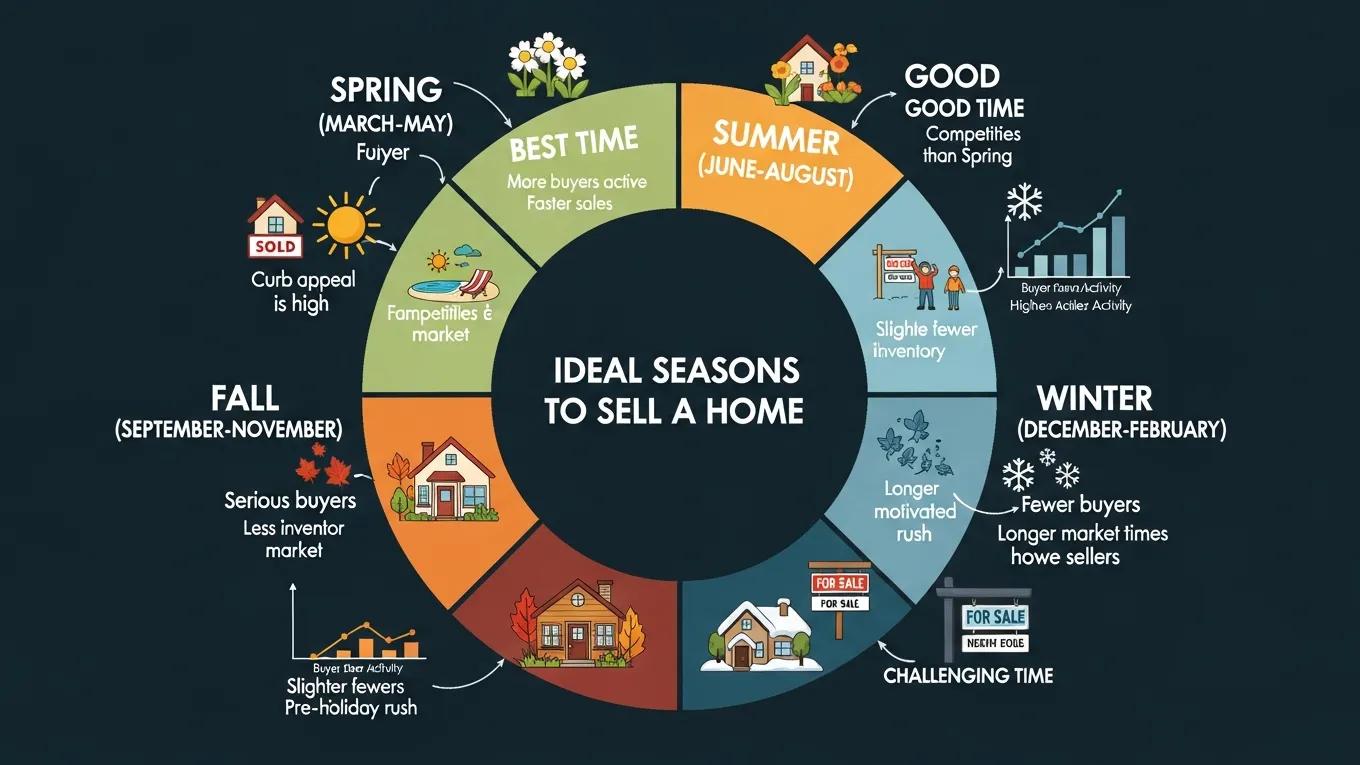
Seasonal shifts strongly influence buyer interest and market behavior. In Sarasota and Manatee, spring and early summer tend to bring the highest buyer activity — families moving before school and buyers drawn by warmer weather. Fall and winter usually have fewer listings, which can benefit sellers because the remaining buyers are often more motivated. Understanding these rhythms helps you decide whether to list now or wait for a better window.
The table summarizes how buyer activity and seller opportunities shift across the year, giving a clear snapshot of seasonal market patterns.
Beyond broad patterns, calendar-level details matter. The weekday you list can affect initial traffic — mid-week listings often catch online search momentum leading into weekend showings — and weekend open houses can convert that traffic into offers. Coordinate photography with peak landscaping or schedule twilight shots for coastal properties to make each image perform better. A 60-day pre-listing plan tied to your target month — repairs, staging, photography, pricing review, and agent marketing — helps each task land at the right time.
How Do Spring and Early Summer Affect Home Prices and Buyer Demand?
Spring and early summer are generally the strongest selling months. More buyers are active, increasing competition and often leading to quicker sales and higher offers. Sellers who prepare in advance and launch targeted marketing during this period usually see the best returns — especially families who want to move before the school year.
To capture spring demand, finish repairs and deep cleaning well before photos. Stage for bright, welcoming living areas and usable outdoor spaces — buyers in spring picture outdoor living. Small seasonal updates like potted plants, fresh mulch, and tidy walkways can significantly improve first impressions and increase showings during the first two weeks on market.
What Advantages Do Fall and Winter Offer to Home Buyers?
Fall and winter favor buyers. With fewer competing offers, buyers often gain negotiating power and can secure better terms. Sellers who list in these months may attract committed buyers looking to close quickly, and a smaller pool of listings makes it easier for your home to stand out.
If you sell in fall or winter, tailor your marketing and staging to the season. Use warm interior photography, emphasize energy-efficient systems and recent maintenance, and offer virtual tours for remote buyers. Be realistic on price and timing — motivated buyers in off-peak seasons often want a clean, fast close, so clear communication and ready documentation make your listing more appealing.
When Is the Best Time To Sell a House for Maximum Profit?
For most sellers, April through June provide the strongest buyer demand and the best chance for higher offers. That said, smart timing also takes into account local conditions and your personal deadlines. Use neighborhood sales data and your timeline to decide if spring or another season fits your goals.
Maximizing profit is both timing and preparation. Instead of listing solely because it’s a “popular month,” run a simple scenario with your agent: estimate likely days on market and probable offer ranges for a spring versus fall listing in your neighborhood, then weigh those outcomes against relocation timing, mortgage considerations, and tax implications. Many sellers see better net results when they pair the right month with a clear marketing and staging plan rather than rushing to list at a peak moment without preparation.
Which Seasonal Selling Tips Can Help You Optimize Your Home Sale?
Make these seasonal moves to improve your sales:
- Enhance Curb Appeal: Simple landscaping and exterior touches draw more attention.
- Time Your Listing: Go live just before peak activity to capture early searches.
- Get a Professional Appraisal: An accurate valuation helps you price competitively from day one.
These practical steps help position your home for greater interest and stronger offers.
Other useful tactics: prepare a concise information packet for showings that lists recent repairs, utility costs, and neighborhood highlights; keep showing windows flexible for the first two weeks; and run a soft online preview to test which photos and copy get the best engagement. Offer multiple show formats — in-person, live virtual tours, and pre-recorded walkthroughs — so buyers can view in their preferred way.
How Does Market Seasonality Influence Pricing and Competition?
Seasonality shapes pricing and buyer volume. In peak months, sellers can command higher prices because demand is stronger. In slower periods, competitive pricing and standout marketing are more important to attract fewer active buyers. Adjusting your price strategy to the season keeps you competitive and realistic.
Use a balanced pricing approach tied to a clear marketing plan: price near market high during busy months only if supported by professional photos, broad online syndication, and an open-house schedule. In slower seasons, a sharper initial price plus targeted outreach — to relocating professionals, downsizers, or investors — can shorten time on market while preserving value.
How to Time Your Home Purchase: Best Buying Seasons Explained
Buying and selling are both timing-sensitive. For buyers, late fall and winter often offer lower prices and less competition, making negotiation easier. If you’re flexible, shopping off-peak can lead to better deals and more room to negotiate.
Buyers in off-peak months should have financing and inspections lined up so they can act quickly on well-priced homes. Sellers listing in these months often prioritize certainty of close over top dollar, so a clean inspection and a pre-approval letter can be decisive.
What Are the Benefits of Buying During Off-Peak Seasons?
Buying off-peak provides clear advantages:
- Less Competition: Fewer active buyers means more negotiating leverage.
- More Serious Buyers: The market tends to include buyers who are motivated to close.
- Potential for Better Deals: Sellers may accept lower offers to move quickly.
These benefits make slow-season buying a smart strategy for many buyers.
How Do Seasonal Market Cycles Affect Home Buying Strategies?
Seasonal cycles shape inventory, pricing, and sale speed. Knowing when inventory typically grows helps you plan your search; knowing when demand spikes tells you when to move fast. Having financing and inspections ready gives you an edge during busy seasons.
Practical buyer moves tied to seasonality include aligning inspection timelines with expected repair responsiveness (sellers may take longer to complete work during busy months), adding escalation clauses when competition is likely, and keeping move dates flexible to take advantage of lower rates or more available movers outside peak windows.
What Local Market Insights Should Buyers and Sellers Know for Sarasota and Manatee Counties?
Local detail matters. Amenities, job and population trends, and recent comps influence timing and price. Drill into neighborhood-level data and work with a local agent who can tailor a strategy to these counties.
Go deeper than county averages: compare neighborhoods and property types. Waterfront condos, suburban family homes, and small rentals can follow different seasonal rhythms. An agent who runs comps for your street or block provides the most relevant guidance on timing and pricing.
How Do Seasonal Market Fluctuations Differ Between Sarasota and Manatee?
Sarasota often sees stronger winter demand because it attracts seasonal residents and retirees. Manatees tend to have steadier year-round activity with less extreme swings. Knowing these differences helps set realistic expectations and refine the best month to list or buy in each county.
Local variation matters — the best month to sell can change by neighborhood, so a local lens gives you an advantage.
US Real Estate Market Timing & Seasonal Selling Strategies
Ideal sale months vary across regions. Southern and coastal markets often perform well with winter listings, while northern markets typically peak in summer. Looking at local timing instead of a national average gives a clearer picture of when to sell.
Optimization of United States residential real estate investment through geospatial analysis and market timing, SS Roy, 2023
What Recent 2024-2026 Data Reveals About Local Seasonal Trends?
Data since 2024 shows modest shifts in seasonal patterns as new residents arrive and buyer preferences evolve. Staying current with recent sales and inventory trends helps sellers pick the best window and helps buyers spot opportunities.
Using analytics improves forecast accuracy and helps anticipate these evolving seasonal patterns, so you make better timing choices.
Forecasting Real Estate Trends & Market Seasonality
Techniques like Brown–Mayer exponential smoothing can reveal core trends and seasonality in sales data, while tools such as Statgraphics model more complex shifts for finer forecasts.
Forecasting trends in the real estate market: Analysis of relevant determinants, 2024
How Can Relocation Timing Impact Your Real Estate Success?
When you relocate, choices and costs change. Moving in peak months gives more options and scheduling flexibility; off-peak moves can reduce costs and increase negotiating leverage. Match your move to whether you value choice, timing, or price.
A practical relocation plan ties listing and closing dates to realistic move timelines: allow time for packing, utilities, school enrollment, and any temporary housing. Coordinate inspection and appraisal windows to keep closing dates predictable, and build contingency plans if you need to bridge two homes.
What Are the Best Seasons for Relocating in Sarasota and Manatee?
Spring and summer are the busiest relocation months here, favored by families and seasonal movers. If you prioritize price or fewer competing buyers, consider moving in the fall or winter instead.
How Does Morgando Realty Services Support Seasonal Relocation Planning?
Morgando Realty Services guides clients through seasonal moves with local market knowledge and practical logistics support. We offer timing recommendations, neighborhood insight, and an action plan that aligns listing and moving objectives so you move when it’s most advantageous for your goals.
What Are the Best Seasonal Strategies for Real Estate Investment Timing?

Successful investing pays attention to seasonal cycles. Buying in slower months can lower acquisition costs and improve long-term returns.
Investors often build an acquisition calendar that aligns capital availability, local demand cycles, and management capacity. For example, buying in an off-peak period and scheduling renovations when contractors are less busy can cut costs and speed time-to-rent or resale. Flexible closing dates and pre-approved financing let investors exploit seasonality without overexposing capital to timing risk.
How Do Seasonal Price Fluctuations Affect Investment Opportunities?
Seasonal dips can create entry points for investors to buy below peak prices. Purchasing in slower months and holding through seasonal rebounds is a common way to increase upside when the market normalizes.
What Tips Help Investors Leverage Market Seasonality Effectively?
Smart investor habits for seasonal markets:
- Monitor Market Trends: Track seasonal pricing and inventory shifts.
- Plan Purchases Strategically: Target off-peak windows for better pricing.
- Diversify Investments: Spread holdings across markets to reduce seasonal risk.
Following these steps helps investors capitalize on cyclical opportunities while managing downside risk.
How to Use Seasonal Real Estate Tips to Navigate Market Timing Successfully?
Applying seasonal tips simplifies timing. Know local cycles, prepare paperwork and inspections early, and use targeted marketing to reach buyers when they’re most active.
Create a short transaction timeline with clear milestones: preparation and pricing, photography and listing, a two-week exposure push, and a review for price adjustments if needed. This keeps momentum and converts seasonal interest into tangible showings and offers.
What Step-by-Step Seasonal Selling and Buying Guides Should You Follow?
Follow this simple seasonal checklist:
- Research Local Trends: Understand seasonal patterns where you’re buying or selling.
- Prepare Your Home: Improve curb appeal and complete repairs before listing.
- Engage a Realtor: Work with an experienced local agent to time and market your move.
These steps streamline the transaction and improve outcomes, no matter the season.
How Can Visual Tools Like Seasonal Trend Charts Enhance Decision Making?
Charts and visual trend tools make seasonal patterns easier to interpret. They show when inventory and prices typically rise or fall, helping you choose the right listing or buying window with more confidence.
Use simple visuals like monthly listing counts, median sale price lines, and days-on-market heat maps for your target neighborhoods. Visual tools clarify trade-offs between speed and price and make it easier to communicate strategy with agents, lenders, and buyers.
Frequently Asked Questions
What Are the Best Months for Home Buyers in Sarasota and Manatee?
Late fall through winter is often best for buyers here. Competition is lighter, which can lead to better negotiating positions and lower prices. That said, inventory is smaller, so buyers should have financing and inspections ready to move quickly when the right property appears.
How Can I Identify the Right Time to Buy a Home?
Look at local inventory and pricing trends in your target neighborhoods, and align them with your personal timeline. Track recent sales and work with a knowledgeable local agent to interpret the data and recommend the best window for your goals.
What Should I Know About Seasonal Maintenance Before Selling?
Seasonal maintenance boosts appeal. In spring, focus on landscaping and gutters; in summer, check A/C and indoor comfort; in fall, service heating and clean chimneys; in winter, keep walkways clear and maintain a warm, inviting interior. Addressing seasonal tasks reassures buyers about upkeep.
How Do Local Events Influence Real Estate Activity?
Local events can increase visibility and draw potential buyers. Timing a listing around festivals or major community events can capture extra attention from visitors and prospective buyers. Know the local calendar to leverage those spikes in interest.
What Are the Benefits of Working with a Local Real Estate Agent?
A local agent provides neighborhood-level insight, access to pocket listings, and experience with seasonal trends. They help set realistic pricing, craft effective marketing, and manage negotiations so you get the best outcome for your timing and goals.
How Can I Use Technology to Enhance My Home Selling Process?
Leverage virtual tours, targeted online ads, and data analytics. Virtual tours increase remote exposure, social and targeted ads broaden reach, and analytics inform pricing and timing decisions. These tools help attract more qualified buyers and streamline the process.
What Factors Should I Consider When Timing My Home Sale?
Consider local supply and demand, recent comparable sales, and your personal timeline (work moves, school calendars, etc.). Look at neighborhood data to identify peak months, then balance them against your deadlines to choose the best listing date.
How Can I Prepare My Home for Sale During Off-Peak Seasons?
In slower months, presentation and marketing matter more. Clean, declutter, fix visible issues, and stage key rooms. Invest in strong photography and virtual tours to attract remote buyers, and emphasize features that matter in the current season.
What Role Does Curb Appeal Play in Seasonal Home Sales?
Curb appeal is vital year-round. A well-kept exterior creates a strong first impression and can shorten time on market. Seasonal touches — fresh spring landscaping or tidy winter walkways — help buyers imagine the home at its best.
How Can I Leverage Local Market Insights for Better Selling Strategies?
Use local sales data, agent expertise, and neighborhood trends to set price and timing. Adjust for factors like school calendars, job shifts, and nearby listing inventory to improve your odds of a successful sale.
What Are the Risks of Selling During Off-Peak Seasons?
Off-peak selling can mean fewer buyers and longer days on market, sometimes leading to lower offers. Still, sellers who price correctly and market well can attract motivated buyers and close at solid prices.
How Can Seasonal Trends Impact My Home Buying Strategy?
Seasonal trends affect inventory, pricing, and competition. Buy in slower seasons to negotiate more, or be prepared to act quickly in busy seasons when choice is greater but competition is higher. Align financing and inspections with the season you choose.
What Is the Best Season to Sell a House for Higher Prices?
Generally, spring and early summer produce the strongest prices thanks to higher buyer demand and increased competition.
How Does Seasonality Affect Home Prices and Buyer Competition?
Seasonality shifts both price and competition: peak seasons usually push prices up and increase buyer competition, while off-peak seasons lower competition and create more room to negotiate.
Knowing the best seasons to sell in Sarasota and Manatee gives you an advantage — whether you list in busy spring or choose a quieter winter window. Use local data, prepare your home, and partner with experienced agents to match your timing to market conditions. With the right plan, you’ll maximize value and make the process smoother. Explore our resources or reach out to our team to plan your next move.