

Home Protection Explained: The Value of a Home Warranty

Table of Contents

Family enjoying their home highlighting the security and comfort provided by home warranty plans

How Home Warranty Plans Protect Your Home: A Clear, Practical Guide to Coverage, Costs, and Claims

A home warranty is a practical safety net for homeowners — it helps reduce surprise repair bills, time spent dealing with breakdowns, and the stress those moments bring. This guide walks through why warranty plans matter, what they usually cover, how they differ from homeowners insurance, and what to expect for costs and claims. If you want to lower financial risk from aging systems and appliances, this overview will help you compare options and choose with confidence.

Key Takeaways

  • Home warranty plans protect you from high repair costs when home systems and appliances fail from normal wear and tear.
  • Common coverage includes heating, plumbing, electrical systems, and major appliances like refrigerators and dishwashers.
  • Warranty contracts list limits, exclusions, and service fees—review those terms before you buy.
  • Home warranties cover internal failures; homeowners insurance covers external events like fire, theft, and storm damage.
  • Using both a warranty and homeowners insurance gives broader protection and greater financial peace of mind.
  • Annual warranty premiums typically range from $300 to $600, plus service fees when a technician visits.
  • Warranties can reduce repair costs, offer preventive checks, and make household budgeting more predictable.
  • To file a claim, contact the provider, describe the problem, and schedule a technician to diagnose and repair it.
  • Plans are available as comprehensive, systems-only, or appliance-only options so you can match coverage to your needs.

What Are Home Warranty Plans and How Do They Protect Your Home Systems?

Home warranty plans are service contracts that cover repair or replacement costs when covered systems or appliances break down from normal use. They’re intended to soften the financial impact of unexpected failures—like a water heater that stops heating or a furnace that needs major repairs. By shifting some repair risk to the warranty provider, homeowners can avoid sudden, large expenses and keep essential systems working.

Which Home Systems and Appliances Are Typically Covered?
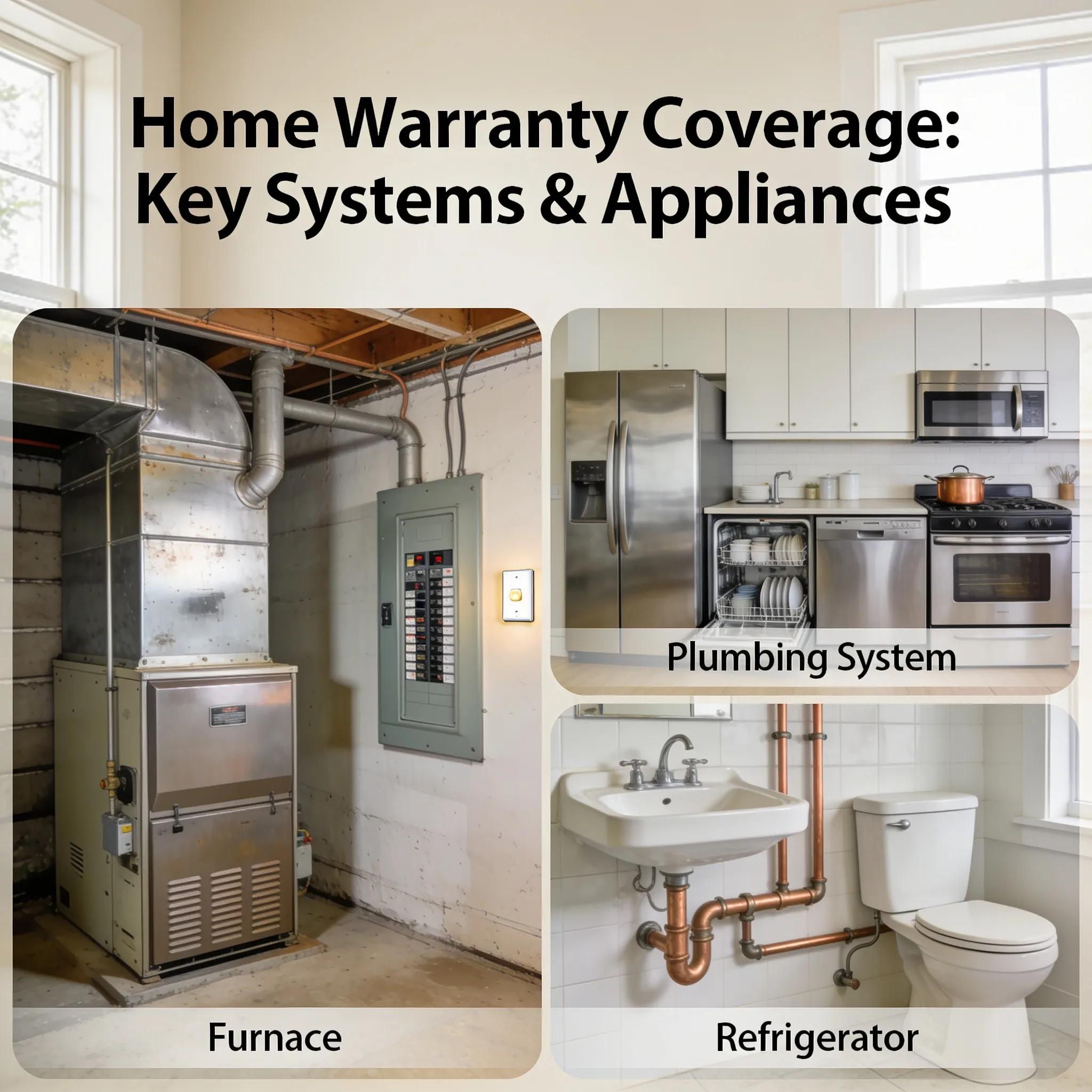
Most home warranty plans include a core set of systems and appliances. Typical coverage includes:

  • Heating Systems: Furnaces and heat pumps are commonly covered to protect you during cold months.
  • Plumbing Systems: Repairs for common plumbing failures like leaks, broken fixtures, and pipe issues.
  • Electrical Systems: Coverage for wiring, breakers, and panels when they fail from regular wear.
  • Major Appliances: Appliances such as refrigerators, ovens, dishwashers, and washers are often covered to reduce replacement expenses.

Knowing which systems a plan includes helps you pick the right level of protection for your home and budget.

How Do Warranty Contracts Define Coverage Terms and Limitations?

Warranty contracts spell out what’s covered and what isn’t, and those details vary by provider. Key items to check are:

  • Exclusions: Some plans exclude certain damage types, pre-existing issues, or high-end appliances.
  • Coverage Limits: Contracts often set dollar caps on repairs or replacements for specific items.
  • Service Fees: Homeowners usually pay a trade call or service fee when a technician visits the property.

Reading these terms before you sign prevents surprises and clarifies your out-of-pocket responsibilities when filing a claim.

How Do Home Warranty Plans Compare to Homeowners Insurance?

Home warranty plans and homeowners insurance both protect your investment, but they cover different risks. Homeowners insurance handles losses from external events—fire, theft, vandalism, and some weather damage. A home warranty pays for repairs or replacements when covered systems or appliances fail due to wear and tear.

What Coverage Does Homeowners Insurance Provide vs. Warranties?

Homeowners insurance generally covers:

  • Structural Damage: Repairs from events like fires or storms.
  • Personal Property: Loss or damage to belongings inside your home.
  • Liability: Claims if someone is injured on your property.

Warranty coverage focuses on:

  • Home System and Appliance Failures: For example, a failed water heater from age or normal use is usually handled by a warranty rather than homeowners insurance.

Knowing these differences helps you pick protections that complement each other.

Why Might Homeowners Need Both a Warranty and Insurance?

Many homeowners carry both for fuller protection. The benefits include:

  • Comprehensive Coverage: Insurance covers external damage while warranties address internal breakdowns.
  • Financial Security: Warranties can prevent large, unexpected repair bills outside insurance coverage.
  • Peace of Mind: Having both reduces financial surprises and makes repairs more manageable.

Together, they make homeownership less risky and easier to budget for.

What Are the Typical Costs and Savings Associated with Home Warranties?

Costs vary by home size, chosen coverage, and provider. Understanding typical price ranges and potential savings helps you decide whether a warranty makes sense for your situation.

How Much Do Home Warranty Plans Usually Cost?

Most plans fall in the $300 to $600 per year range, depending on coverage level. Service fees—typically $75 to $125—apply when a technician is dispatched. Price drivers include:

  • Geographic Location: Local labor and parts costs can influence premiums.
  • Coverage Options: Broader plans that include more systems and appliances cost more.

Compared to potential repair bills, a warranty can be cost-effective—especially for older homes or systems nearing the end of their expected life.

In What Ways Can Warranties Save Homeowners Money on Repairs?

Warranties save money by:

  • Lowering Repair Expenses: A warranty can cover hundreds or thousands in repair or replacement costs.
  • Encouraging Preventive Maintenance: Some plans include inspections that catch problems early, before they become costly.
  • Smoothing Your Budget: Predictable premiums and service fees are easier to plan for than surprise repairs.

For many homeowners, these benefits add up to fewer emergency expenses and better long-term savings.

How Is the Home Warranty Claims Process Designed to Serve Homeowners?

The claims process is meant to be simple. Knowing the steps ahead of time helps you get service faster when you need it.

What Are the Step-by-Step Procedures to File a Claim?

Filing a claim typically follows these steps:

  • Contact the Warranty Provider: Report the issue by phone or through the provider’s website.
  • Provide Details: Describe the problem and reference your contract so the provider can verify coverage.
  • Schedule a Service Call: The company arranges for a technician to inspect and repair the item.

Keep a copy of your contract and any correspondence to streamline future claims and document what was agreed.

What Service Response Times and Repairs Can Homeowners Expect?

Response times vary by provider and issue urgency, but common expectations are:

  • 24 to 48 Hours: For urgent situations needing quick attention.
  • 3 to 5 Days: For non-urgent repairs that can be scheduled later.

Knowing typical timelines helps you plan while you wait for service.

What Are the Different Types of Home Warranty Plans Available?

Home warranty plans come in several formats so you can pick coverage that fits your home’s age, condition, and your budget.

How Do Comprehensive, Systems-Only, and Appliance-Only Plans Differ?

The main plan types are:

  • Comprehensive Plans: Cover a wide range of systems and appliances—good for older homes or anyone wanting broad protection.
  • Systems-Only Plans: Focus on core systems like plumbing and electrical but exclude appliances.
  • Appliance-Only Plans: Cover major household appliances to protect against costly replacements.

Choose the plan that matches the risks you want covered and where your home is most likely to need help.

Which Plan Types Are Best Suited for Resale Homes and New Builds?

Plan suitability depends on the home’s age and existing warranties:

  • Resale Homes: Comprehensive plans often make sense because older systems and appliances are more likely to fail.
  • New Builds: Systems-only plans can be a smart choice since many components may still be covered by manufacturer or builder warranties.

Match the plan to the house’s condition to avoid unnecessary overlap and added cost.

Where Can Homeowners Find Trusted Home Warranty Providers and Reviews?

Choosing a reputable provider takes some research but pays off in more reliable service and fewer headaches down the road.

What Features and Services Should You Look for in a Warranty Provider?

When evaluating providers, prioritize:

  • Coverage Options: Multiple plans that let you tailor protection to your needs.
  • Claims Experience: A transparent, efficient claims process with clear communication.
  • Response Times: Fast technician dispatch and repair turnaround.

These features typically lead to better service and higher satisfaction.

How Can Customer Reviews and Industry Ratings Guide Your Choice?

Use reviews and ratings for real-world insight:

  • Overall Ratings: Consistently positive scores suggest dependable service.
  • Detailed Reviews: Firsthand accounts of claims, repairs, and communication reveal a provider’s strengths and weaknesses.
  • Accreditations: Industry recognition or endorsements can indicate credibility.

Combine these sources to compare providers and pick one that matches your expectations.

Frequently Asked Questions

What factors should I consider when choosing a home warranty plan?

Think about your home’s age and condition, which systems and appliances you want covered, plan limits and exclusions, and the provider’s reputation. Also consider the claims process, response times, and customer service. Choose a plan that fits your lifestyle, budget, and tolerance for risk.

Can I customize my home warranty coverage?

Yes. Many providers let you customize coverage by adding or removing systems and appliances. You can tailor a plan if you have older items that are more likely to fail or if newer components already have manufacturer warranties. Review available add-ons for extra protection.

How do home warranties handle pre-existing conditions?

Home warranties usually exclude pre-existing conditions. If an issue existed before you purchased the plan, it’s likely not covered. Contracts often require disclosure of known problems, so get a clear inspection and confirm policy terms before buying to avoid surprises.

Are home warranties transferable if I sell my home?

Many warranties are transferable, which can be a selling point. Transferring coverage often requires notifying the provider and completing paperwork; some contracts include a transfer fee. Check your plan’s terms so the process is smooth for both seller and buyer.

How can I ensure faster service when I file a claim?

To speed up service, have your warranty contract handy, describe the problem clearly, and provide any maintenance records. Contact the provider using their preferred method and keep a record of all interactions—dates, names, and notes—to help the process move quickly.

What should I do if my claim is denied?

If a claim is denied, review your contract to understand the reason. Common denials arise from excluded conditions or coverage limits. If you believe the denial is incorrect, ask the provider for clarification and consider submitting additional documentation or an independent inspection to support your appeal.

How can I find reliable reviews of home warranty providers?

Look at consumer review sites, social media, and homeowner forums for firsthand experiences with claims and service. Check the Better Business Bureau or similar organizations for complaints and accreditation. Look for consistent patterns in feedback rather than a single review.

Conclusion

Home warranty plans can ease the financial and emotional strain of unexpected repairs, helping protect your investment and keep your home running. Knowing what each plan covers, how claims work, and how costs compare will help you pick the right solution. If you want simpler budgeting and fewer repair surprises, explore our home warranty options today to find a plan that fits your home and gives you greater peace of mind.

Free Real Estate Guides

Related Articles