

Understand the Home Appraisal Process: Key Steps Explained

Table of Contents

Welcoming home exterior with vibrant landscaping representing the home appraisal process

Home Appraisal Process Explained: A Practical Guide to Preparation, Valuation, and Local Insights

Knowing how home appraisals work matters for both buyers and sellers. An appraisal sets the market value of a property and directly affects offers, financing, and negotiation strategy. This guide walks you through the appraisal process—how to prepare, what appraisers look for, common mistakes to avoid, and practical tips tailored to Sarasota and Manatee counties. Many people arrive unprepared and face delays or lower offers; with the steps below, you’ll approach the appraisal confidently and strategically.

What Is the Home Appraisal and Why Is It Important?

A home appraisal is an independent, professional estimate of a property’s market value by a licensed appraiser. Lenders rely on appraisals to make safe loan decisions, buyers use them to confirm a fair price, and sellers benefit when the value is accurately represented. A solid appraisal helps negotiations move forward and protects all parties from overpaying or financing more than a home’s worth.

Beyond the immediate transaction, appraisals also serve as a neutral benchmark for tax assessments, estate planning, and portfolio decisions. While the appraisal is a snapshot in time, it reflects a mix of objective conditions and current local market realities, so knowing what goes into the report helps you influence the outcome in practical ways.

How to Prepare for a Home Appraisal: Essential Steps for Sellers and Buyers

Prepare the on matters. Both sellers and buyers can take clear, practical steps to ensure a property is shown at its best and that the appraisal reflects its true value.

Preparation begins before the appraisal date. Create an easy-to-review packet for the appraiser with receipts, permit records, a concise list of upgrades with dates, and contact information for contractors who completed major work. Communicating parking or access instructions ahead of time, and ensuring all areas are unlocked and accessible (attics, crawlspaces, mechanical rooms), shortens the inspection and reduces the chance of incomplete notes.

What Should Homeowners Do Before the Appraisal?

Start with the exterior: tidy landscaping, touch-up paint, and handle visible repairs so curb appeal makes a strong first impression. Inside, declutter and make small fixes where needed. Gather documentation—records of upgrades, maintenance logs, and recent neighborhood sales—to give the appraiser context for the home’s condition and improvements.

Practical, low-cost items often overlooked but worth completing include replacing burnt-out light bulbs, tightening loose fixtures, clearing gutters, and removing debris from rooflines and drainage areas. Confirm that smoke detectors and carbon monoxide alarms are present and functional, and ensure HVAC filters are clean. These small touches signal ongoing maintenance and reduce negative condition notes in the appraisal.

How Does the Preparation Impact Appraisal Outcomes?

How a person presents can change results. Well-maintained, orderly properties typically appraise higher than neglected ones. In fact, good curb appeal can increase perceived value—often by as much as 10%—and solid documentation helps an appraiser justify a stronger valuation.

Documentation is especially important when improvements are recent or not visible from a quick inspection. For example, receipts and permits for a new roof, upgraded electrical panel, or roof-to-attic insulation create measurable support in the final report. Similarly, a clear list of comparable homes you believe are relevant—submitted politely and without pressure—can help the appraiser consider legitimate local comps they might otherwise overlook.

What Does a Home Appraiser Look For During the Inspection?

During the inspection, appraisers evaluate the home’s overall condition and compare it to similar nearby sales. Their focus is practical and evidence-based: condition, upgrades, and how the property stacks up against local market data.

Appraisers follow a methodical approach. They verify basic facts (square footage, bedrooms, bathrooms), note the materials and finish quality, and inspect the functionality of major systems. They also note site characteristics—lot size, orientation, street appeal, and proximity to amenities—which can all influence value relative to comparable sales.

  1. Exterior Condition: The appraiser checks the roof, siding, foundation, and yard for visible damage, wear, or upkeep issues.
  2. Interior Condition: Kitchens, baths, floors, and major systems are reviewed for function and quality—any upgrades or deferred maintenance are noted.
  3. Market Comparisons: Recent sales of comparable homes in the neighborhood help establish a realistic market value.

It’s useful to remember the appraiser’s duty: to provide an objective, defensible opinion of value based on observable facts and market evidence. Personal preferences or stylistic choices that do not affect function or marketability are typically given little weight unless they limit the pool of buyers for a property.

Home Appraisal Checklist for Sellers: Key Items to Review
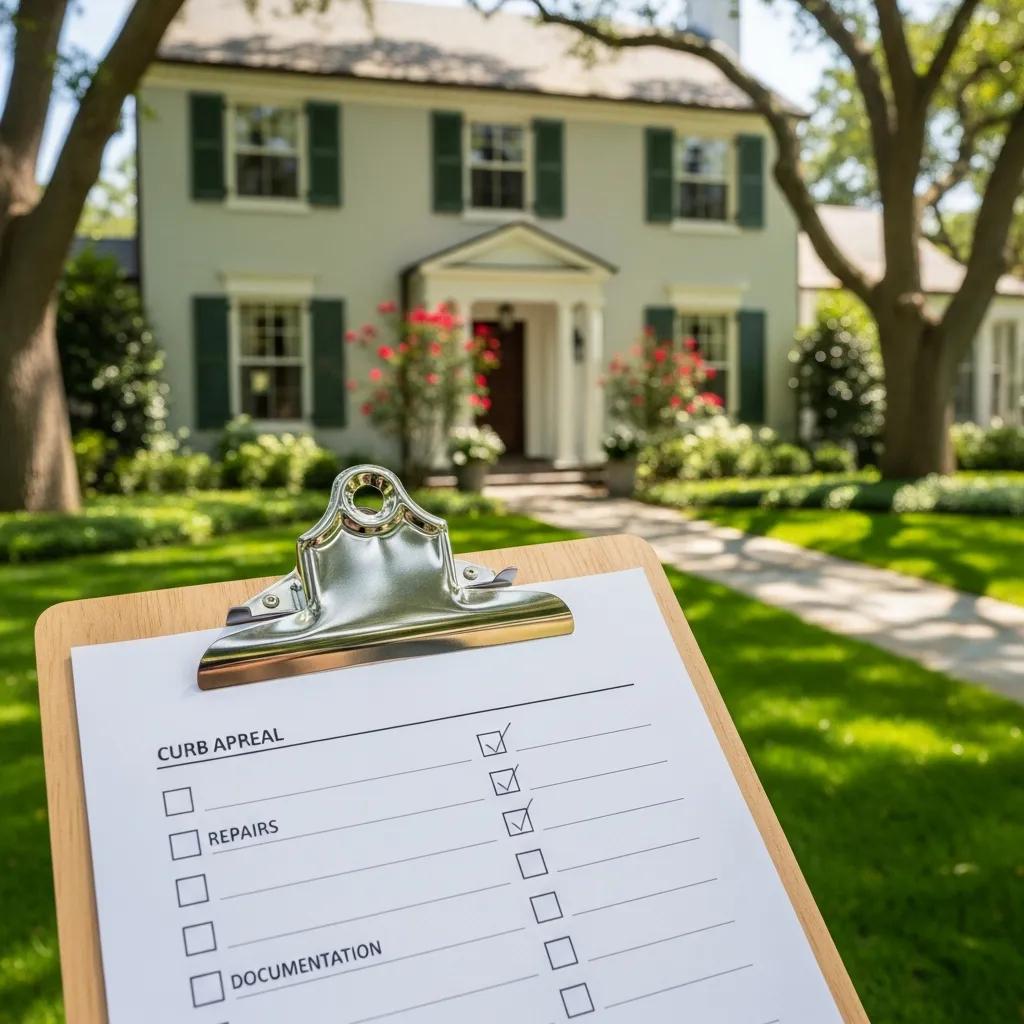
Use this checklist to present your property clearly and confidently on appraisal day.

ItemDescriptionImportance
Curb AppealTidy lawn, trimmed shrubs, clean entryway, and exterior surfacesCreates a strong first impression
RepairsFix visible minor issues—doors, windows, loose tiles, leaky faucetsReduces negative notes on the report
DocumentationCollect receipts, permits, and maintenance records for upgradesHelps support a higher valuation

Following this list helps the appraiser see the home accurately and increases the chances of an appraisal that reflects the property’s true value.

In addition, the checklist items worth noting:

  • Clear interior pathways and remove excess personal items so rooms read larger, and the function is obvious.
  • Ensure exterior structures (sheds, screened porches) are accessible and intact; provide permits where applicable.
  • Identify and label any unique features (built-ins, premium finishes) so the appraiser notices them quickly.
  • If the property has special circumstances—an income-producing accessory unit, rental history, or recent insurance claims—prepare a short summary to explain them.

What are the Must-Have Documents and Property Details?

Have the e on hand for the appraiser:

  • Property Deed: Confirms ownership and basic property details.
  • Mortgage Information: Helpful for context on liens or existing loan details.
  • Repair Records: Receipts and permits for improvements that add value.

Other helpful documents include the most recent survey (if available), a floor plan or layout sketch, recent home inspection reports, HOA documents (if applicable), and utility or maintenance logs for major systems. Presenting these items in a single folder or binder is more efficient than handing over individual papers during the inspection.

How to Present the Home to Maximize Appraisal Value?

Keep things simple and effective: freshen paint where needed, declutter rooms so spaces read larger, and make sure major systems (HVAC, plumbing, electrical) are working. Highlight recent upgrades—new appliances, energy-efficiency improvements, or visible renovations—and provide documentation to back them up.

Presentations also include small sensory details: ensure the home is well-lit during the inspection, neutralize strong odors, and secure pets so the appraiser can move freely through the property. If you plan to be present, stay available but unobtrusive—answer questions succinctly and point the appraiser to your prepared documentation packet.

Common Hot Appraisal Errors and How to Avoid Them

Being aware of frequent appraisal missteps lets you prevent them. A little preparation goes a long way toward avoiding surprises.

Errors sometimes occur when critical information is missing or misreported: square footage discrepancies, incorrect bedroom counts, or omitted improvements can skew results. Double-check the facts on any listing or previous appraisal report and bring corrected documentation if needed.

  1. Overpricing: Setting an unrealistic asking price creates a gap between the listing price and the appraised value.
  2. Ignoring Market Trends: Failing to account for local sales activity and shifting demand can skew expectations.
  3. Poor Agent Selection: An inexperienced agent may miss opportunities to present comps or documentation effectively.

What Mistakes Do Sellers and Appraisers Commonly Make?

Typical errors include incomplete documentation and insufficient home prep. Sellers should proactively supply records and highlight recent improvements so the appraiser has the full picture when forming a value opinion.

Appraisers, constrained by time and access, can sometimes miss interior details or unique features that add value. Helping them locate permits, appliance model numbers, or contractor contacts helps avoid underreporting upgrades. Similarly, inconsistencies between MLS data and the onsite condition should be clarified immediately to prevent confusion in the report.

How Can You Dispute or Correct an Inaccurate Appraisal?

If you believe an appraisal missed the mark, take these steps:

  • Gather Evidence: Compile comparable sales, photos, and documentation that support a higher value.
  • Consult with Professionals: Talk to your agent or a local appraiser for insight into the report's findings.
  • File a Dispute: Submit a formal reconsideration to the lender with your supporting materials.

When dispensing an appraisal, focus on objective items: comparable sales with similar condition and location, factual errors in the report (incorrect room counts, square footage, or condition statements), and documented upgrades or repairs. The lender will review your submission and decide whether a reconsideration, correction, or a second appraisal is warranted. Keep expectations realistic—disputes sometimes succeed where clear factual errors are present, and are less likely to change subjective judgment calls.

Understanding Appraisal Contingencies and Their Impact on Real Estate Transactions

An appraisal contingency is a contract clause that protects buyers if the appraisal comes in below the agreed price. It gives buyers options—renegotiate, bring in extra funds, or walk away—so they don’t unintentionally overpay.

For sellers, an appraisal contingency can affect negotiation strategy. Some sellers respond to a low appraisal by providing additional comparable sales, offering seller concessions, or performing targeted repairs that influence value. Understanding the contingency language in your contract—what triggers it and how long parties have to respond—helps both sides act promptly and preserve the deal.

What is the Appraisal Contingency and How Does It Work?

With an appraisal contingency, if the appraised value is lower than the purchase price, the buyer can request a price reduction, negotiate repairs or credits, or cancel the contract depending on the contract terms. It’s a financial safety net during the purchase process.

Contingent on the cy clauses vary in detail. Some allow a short window for renegotiation or a second appraisal, while others require the buyer to make up the difference in cash. Working with an agent or attorney to understand your options before escrow opens reduces the likelihood of last-minute surprises.

How Do Contingencies Affect Buyer and Seller Decisions?

Contingencies shape negotiations. A low appraisal often leads buyers to seek a price adjustment; sellers may respond by providing additional comps, agreeing to repairs, or negotiating other terms to keep the sale moving forward.

In competitive markets, buyers sometimes waive appraisal contingencies to strengthen an offer—but that increases buyer risk and may require a larger down payment if the appraisal falls short. Sellers and buyers should weigh the trade-offs together, considering financing needs, timeline pressures, and the magnitude of any appraisal gap.

How does the Home Appraisal Process work, and What Happens After?

From the inspection to the final report, a typical appraisal takes about one to two weeks. Knowing the timeline helps buyers and sellers plan the next steps in the transaction.

Timing depends on complexity and demand. Simple, routine single-family homes often move faster, while unique properties, rural locations, or homes with unconventional features may require extra research. Lenders may also require internal review steps that add time to the delivery process.

What is the typical timeline for an Appraisal?

After the onsite inspection, appraisers usually complete their analysis in a few days, though complex properties or within heavy workloads can extend that timeline. Lenders and escrow timelines can also influence scheduling.

If a report indicates a low value, the next steps may include a reconsideration submission, a review by a panel or an automated quality check, or an order for a second appraisal. Reinspections to confirm completed repairs are another common follow-up and are usually faster than the initial appraisal because much of the data is already collected.

What Are the the Next Steps Following the Appraisal Report?

When the report arrives, review it with your agent. If the appraisal supports the contract price, the transaction proceeds. If it’s lower, expect negotiation: provide additional comps or documentation, request a reconsideration, or renegotiate terms with the buyer or seller.

Practical, the next steps include checking the report for factual errors first (square footage, number of bedrooms, and condition statements). If errors exist, submit corrected documentation immediately. If the appraisal is accurate but lower than expected, assess options: accept a lower price, negotiate concessions, bring additional cash to the table, or pursue a second appraisal if justified.

Where to Find Local Appraisal Insights and Expert Guidance in Sarasota and Manatee Counties

Lomarket ket knowledge matters. In Sarasota and Manatee counties, working with a team that knows neighborhood trends, recent sales, and what local appraisers look for can make a measurable difference.

Loexpertserts can point out neighborhood-specific factors that affect value, such as proximity to desirable schools, parks, or waterfront access, as well as local building trends (popular floor plans or finishes) that appraisers will notice. They can also help identify the most relevant comparable sales within the correct time frame and market segment.

How Does the Morgando Realty Services Support Clients Through Appraisals?

We provide a clear pre-appraisal checklist and hands-on support to gather documents, highlight recent improvements, and present the property to appraisers in the best light. Our local experience helps clients anticipate appraisal outcomes and address issues before they arise.

Specifically, the support we offer includes compiling an appraisal packet, coordinating minor repairs or contractor estimates, recommending staging tips, and advising on comparable sales to ensure the appraiser has the clearest possible picture of the property. For sellers facing a low appraisal, we assist in assembling a reconsideration package and advise on negotiation strategies that preserve the deal when possible.

What Locathe l Market Data Influences Appraisal Values?

Appraisals reflect local factors: recent comparable sales, current supply and demand, and neighborhood features such as school zones or community amenities. Understanding these variables helps set realistic expectations and supports stronger valuations.

OtheOther localalal data points include recent permit activity (which can indicate neighborhood investment), HOA fees and rules, special assessments, and environmental considerations such as flood zones or proximity to conservation areas. Experienced local agents and appraisers know which of these items matter most for specific neighborhoods and property types.

Frequently Asked Questions

What Factors Can Cause an Appraisal to Come in Low?

Low appraisals often stem from the home’s condition, outdated features, or weak comparable sales nearby. Significant deferred maintenance, obsolete systems, or a cooling local market can push values down. Identifying these issues ahead of time allows sellers to address them before the inspection.

Other causes include inaccurate public records, homes that have been significantly altered without permits, or market shifts that occur between contract signing and appraisal. Preparing documentation and clarifications can often mitigate these risks.

How Can Homeowners Increase Their Appraisal Value?

Targeted, e cost-effective improvements help: a fresh coat of paint, tidy landscaping, updated fixtures, and ensuring mechanical systems work properly. Keep receipts and permits for upgrades and share that documentation with the appraiser to support a higher value.

Investments that address functionality and safety tend to be the most defensible in an appraisal. Cosmetic upgrades can improve buyer perception but are most effective when paired with proof of quality work and permits where applicable.

What Should Buyers Do If They Disagree with an Appraisal?

Start by reviewing the report for errors or omitted comps. Collect comparable sales and other supporting evidence, then talk with your lender about a reconsideration of value. If needed, you can request a second appraisal—just be aware this can add time and cost.

Buyers should work closely with their agent to prepare a concise, well-documented package for reconsideration. Focus on objective items: recent, truly comparable sales, factual errors in the report, or omitted features that would affect value.

Are Appraiser’s Reports Required for All Real Estate Transactions?

Not always. Most lenders require an appraisal to protect their investment, but cash buyers can opt out. Even for cash deals, an appraisal is a smart move if you want an objective check on value before closing.

In some refinancing scenarios or when using certain loan programs, alternative valuation methods (like automated valuation models or broker price opinions) may be used. Still, these are chosen based on lender policy and risk tolerance.

What Role Does the Appraiser Play in the Home Buying Process?

The appraiser provides an independent opinion of value by examining the property’s condition, upgrades, and local comparables. This objective assessment helps buyers avoid overpaying and gives lenders confidence that the loan amount matches the property’s market value.

Appraisers must follow professional and regulatory standards and are expected to remain impartial. Their work balances observed conditions with market evidence, producing a written report that documents the rationale for the final opinion of value.

How Can the Local Market Trends Affect Home Appraisals?

Local trends—like rising demand, inventory shortages, or economic shifts—directly affect appraised values. In a hot market, appraisals may trend higher; in a soft market, values can pull back. Keeping an eye on neighborhood activity helps set realistic price expectations.

Seasonalithe ty and recent buyer behavior in a submarket can also matter. For example, a neighborhood experiencing a noticeable increase in investor activity or new construction may see appraisal dynamics shift faster than broader regional averages.

Conclusion

Appraisals are a pivotal step in any real estate transaction. With the right preparation, documentation, and local guidance, you can reduce surprises and improve outcomes. If you’re buying or selling in Sarasota or Manatee counties, Morgando Realty Services can help you prepare, present, and navigate appraisal results. Explore our resources or contact our team for personalized support throughout your appraisal journey.

Whether you need a pre-listing appraisal preparation review, help assembling documentation for a reconsideration, or guidance on negotiation strategies after an appraisal, experienced local support makes the process smoother. Reach out early—preparation and communication are the best tools for improving appraisal outcomes and keeping transactions on track.

Free Real Estate Guides

Related Articles