
How to Keep Your Home and Belongings Safe During Open Houses and Showings — Essential Security Tips
Pre-Open the House Security: Smart Preparations
How to Create a Home Safety Checklist for Open Houses
- Assess Vulnerabilities: Walk every room and note weak spots — unlocked doors, basement windows, or blind corners. As you go, list small repairs or maintenance items (loose locks, burned‑out exterior bulbs, overgrown shrubs that block sightlines). Fixing these improves security and curb appeal.
- Secure Valuables Store jewelry, small electronics, medications, and important documents in a locked safe or take them off-site. Use a safe; keep it out of obvious view. Consider a short inventory (item + brief description) stored securely so you can verify anything after a showing.
- Prepare Visitor Management: Use a sign-in sheet or digital check-in to track guests and keep the entry area staffed during open hours. Set up a visible sign-in station near the entrance with clear signage and pens. If you use a digital tool, confirm Wi‑Fi access and that the agent knows how the system works.
Which areas need extra attention before showings?
- Valuables and Personal Items: Remove or lock away items that are easy to pocket — watches, cash, small electronics, and heirlooms. Think room‑by‑room: bedside tables, bathroom counters, home offices, and kitchen islands are common targets. Pack small items in labeled boxes to make removal quick and reversible.
- Home Systems Test alarms, smart locks, and garage openers so nothing fails while you're away. Check door sensors, replace batteries in wireless devices, and set temporary codes for smart locks in advance. If you use an alarm company, confirm that the account settings and contact info are up to date.
- Entry Points Confirm all exterior doors and accessible windows are locked, and that pathways are clear and visible to hosts and cameras. Trim hedges near windows, move planters away from entrances, and ensure exterior lighting works. Clear sightlines help agents monitor visitors and keep traffic controlled.
Protecting Valuables During Showings
Storage athe nd Concealment Strategies That Work
- Remove Valuables from View: Clear countertops, shelves, and bedside tables of tempting items. Pack them into labeled moving boxes and store them in a locked vehicle, a trusted neighbor's home, or a short‑term storage unit. Remove chargers or cables that signal expensive devices.
- Use Locked Storage: Put valuables in a locked drawer, cabinet, or a bolted‑down home safe when possible. If the agent needs access, share location details only when absolutely necessary. Otherwise, keep keys or codes with you or give them to the listing agent in a controlled way.
- Utilize Off-Site Storage for high-value pieces or collectibles, and move them to a storage unit, a family member, or a gallery during the listing period. For immovable items like built-in artwork, increase supervision during showings and let the agent know where they are so they can be monitored.
Remove the Secure Personal Items Before an Open House?
- Secure Valuables Lock or remove any valuables before the first showing. Keep a reusable "tagging box" with packing tape, markers, and labeled bags to speed the process. A consistent routine cuts the risk of leaving something behind.
- Remove Personal Items: Pack away family photos and unique keepsakes to create a neutral, decluttered look. Swap personal photos for neutral art or curated décor that complements the room without making it feel lived‑in. This helps buyers imagine the space as their own and also protects sentimental items.
- Create a Welcoming Environment. Keep surfaces tidy, and traffic paths clear so guests can move easily under the agent's supervision. Stage furniture to guide natural flow and remove obstacles that create blind spots. Small touches — fresh flowers, clean linens, a subtle scent — make a positive impression without compromising security.
The technology that Improves Open House Security
How Smart Locks and Cameras Help Prevent Theft
Smart Locks: Enhancing Home Security & Access Control
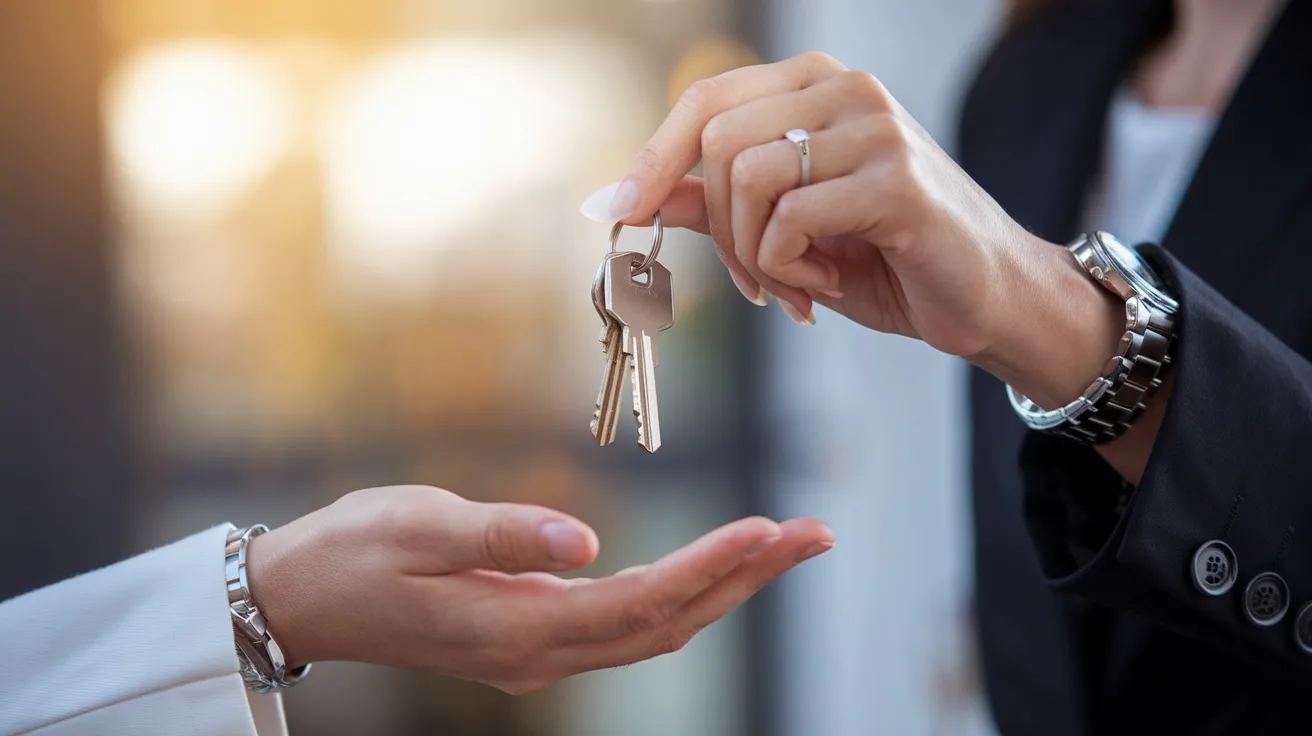
Smart locks are reshaping how homeowners manage access, replacing physical keys with secure digital controls. Features like temporary codes, remote lock/unlock, and encrypted authentication make managing showings easier without sacrificing safety. Many sellers find that smart locks reduce key‑related worries and provide a clearer record of who entered and when.
The usage of smart locks in smart homes, R Wolniak, 2024
- Remote Access Control: Issue temporary entry codes to agents or contractors and revoke them remotely after showings. Use time‑limited codes and rotate them regularly. When possible, assign unique codes to each user to track access in the logs.
- Real-Time Monitoring: Position cameras to cover entryways and main circulation areas, and enable alerts for unusual activity. Avoid cameras in private spaces like bathrooms; respect privacy laws and common‑sense boundaries.
- Activity Logs: Keep logs from locks and cameras to confirm who entered and when — useful for follow-up. Export or snapshot logs after showings and store them securely with date and event details for easy review if needed.
The Gent’s Responsibilities for Showing Security
How Agents Screen and Supervise Visitors
- Sign-In Requirements: Collecting names and contact details creates a useful record of visitors. A good form includes the name, phone number, email, and agency. For digital sign-ins, capture timestamps and optional notes about who accompanied the visitor.
- Monitoring Visitor Flow: Agents watch how people move through the home and manage crowding or unsupervised access to sensitive areas. Rather than letting large groups roam, agents should escort visitors or stagger entry times to improve supervision.
- Communicating Safety Protocols: Clear, polite house rules — for example, no backpacks, supervised bedrooms, or keeping hands visible — set expectations. Post a short list at the entrance and have the agent briefly repeat the rules to arriving guests.
The standard Agent Security Protocols
- Visitor Tracking: Maintain a secure log for follow‑up and incident tracing. Good agents store these records safely and share relevant details with the seller on request.
- Professional Security Presence.e For high‑value homes or busy open houses, agents may bring security staff. A uniformed presence reassures buyers and deters potential thieves — discuss this option if you expect large crowds or can't move valuables.
- Surveillance Systems: Agents often recommend installing cameras to monitor activity during open hours. If cameras are in use, the agent should know how to access live feeds and respond to alerts while respecting privacy norms.
Post-Show: Security Checks for Sellers
Inspecting Your Home After an Open House
- Check Locks: Test all exterior doors and accessible windows to ensure they're locked. Don't assume automatic locks are engaged — try a sample of doors and windows, and verify the garage and secondary entrances.
- Inspect for Disturbances Look for moved items, opened drawers, or anything out of place that could indicate tampering. Focus on high‑value areas first (home office, bedroom dressers, medicine cabinets). Photograph anything missing or disturbed before touching it.
- Document Any Issues. Take photos and notes, then report concerns to your agent and, if needed, to law enforcement. Create a dated incident file with images and sign‑in sheet details to support insurance claims or police reports.
When to Update Security Measures After Showings
- Reinforce Security: Fix discovered weaknesses — repair locks, add lighting, or adjust access routes. Small investments like motion lights or reinforced strike plates can have a big impact on safety and buyer perception.
- Regular Updates: Keep smart device firmware up to date and change temporary access codes after open houses. Treat codes like passwords: rotate them frequently and remove any no longer needed. Log assignments and expirations.
- Evaluate Effectiveness: After a few showings, review what worked and what didn't, and revise your checklist. Ask your agent for feedback — they may notice patterns or practical tweaks that improve safety and flow.
How Morgathe ndo Realty Services Supports Safe Transactions
Local Security Tips from Morgando Realty for Sarasota and Manatee Counties
- Know Local Crime Trends: Understand patterns in your neighborhood so you can take appropriate precautions. Use local police or municipal resources to learn common issues — whether petty theft or break‑ins — and tailor your measures accordingly.
- Tap Community Resources: Reach out to law enforcement, community groups, or homeowner associations for advice and support. Neighbors and community organizations can be extra eyes during showing periods. Consider notifying nearby residents when an open house is scheduled and ask them to report unusual activity.
- Use Neighborhood Watch Programs: Engaging neighbors adds informal surveillance and quicker awareness of unusual events. If your area has an active watch, coordinate open house times so participants know when to be especially observant.
How Morgando Realty Integrates Recent Security Technologies
- Smart Locks: Temporary codes and controlled access simplify showings without sharing physical keys. The brokerage can advise on protocols for granting agent access while keeping sellers in control.
- Surveillance Systems: Cameras provide visibility during open hours and a record of events if questions arise. Morgando Realty can recommend placements for entryways and common areas that respect visitor privacy.
- Monitoring Services: Professional monitoring can alert you to suspicious activity when the house is unoccupied. For sellers who want hands‑off oversight, monitoring services add an extra layer of protection and a faster response option if an alarm triggers.
Frequently Asked Questions
What should I do if I notice suspicious behavior during an open house?
How can I ensure my home is secure when I’m not present during showings?
Are there specific times when open houses are more secure?
What should I do if I have valuable items that cannot be removed from the home?
How can I educate potential buyers about security during showings?
What are the best practices for real estate agents to ensure security during showings?
Conclusion

Gina Morgando is a licensed Broker & Realtor serving Sarasota, Manatee, and Palm Beach Counties. With over 10 years of experience, she helps buyers, sellers, and investors make confident real estate decisions across Florida.