
Home Inspection Checklist for Buyers: Essential Tips and Process Guide
A home inspection is a professional evaluation of a property’s visible condition, systems, and structural components that helps buyers understand risk and plan next steps. This guide explains what a home inspection includes, why it matters to buyers, and how inspection findings translate into negotiation leverage, safety prioritization, and long-term maintenance planning. Many buyers enter contracts without clear expectations about common defects, specialized testing needs in Florida, or how to interpret an inspection report; this article resolves those gaps with practical checklists, EAV-style tables, and negotiation frameworks. Morgando Realty Services acts as a buyer’s guide and referral facilitator in Sarasota, connecting clients to vetted local inspectors and contractors while advising on prioritized next steps after inspections. The sections below cover a clear definition and benefits of inspections, exterior and interior checklists with red flags, how to read and use inspection reports, common issues and remedies with ballpark costs, and local guidance for hiring the right inspector in Sarasota, Florida. Read on for an actionable home inspection checklist that integrates regional considerations, such as termite risk and hurricane exposure, while preserving the buyer-first perspective.
What Is a Home Inspection and Why Is It Crucial for Buyers?
A home inspection is a systematic review performed by a qualified inspector to evaluate major components—roof, foundation, HVAC, plumbing, and electrical—and to identify visible defects that affect safety, value, or livability. Inspectors use visual observation, basic functional tests, and photographic documentation to create a report that flags safety hazards and recommends further evaluation where needed. For buyers, the inspection reduces transaction risk by revealing hidden issues that affect repair costs, insurance premiums, and negotiation positions. Knowing what to expect during inspection allows buyers to allocate contingency funds and decide whether to request repairs, credits, or price adjustments. The following section outlines the typical scope of an inspection and clarifies the limits of what inspectors typically assess.
What Does a Home Inspection Include?
A standard inspection covers a range of systems and components to give buyers a baseline condition assessment and to identify safety and structural concerns. Commonly inspected items include the roof and gutters, exterior cladding and grading, visible foundation elements, major interior systems (plumbing, electrical panel, HVAC), attic and insulation, windows and doors, and built-in appliances. Inspectors generally do not perform invasive testing, code-compliance checks, or specialist testing (e.g., termite, radon, mold) unless explicitly requested, so buyers should plan for specialty inspections when regional risks apply. A quick reference mapping of components to common defects ishelpfull for buyers during the walkthrough and is provided in later tables for clarity. Understanding this scope enables buyers to prioritize follow-ups and specialist referrals when reports identify possible hidden damage.
How Does a Home Inspection Protect Your Investment?
An inspection protects buyers by exposing defects that could substantially change maintenance budgets, resale value, or immediate safety requirements, thereby informing negotiation strategy and insurance considerations. For example, identifying a compromised roof or structural settlement prior to closing allows buyers to seek repairs, negotiate credits, or require escrow arrangements to address known liabilities. Inspections also create a documented baseline for future maintenance planning, helping new owners budget for replacements like HVAC systems or roof work over the first few years. The reported findings give buyers leverage in contract contingencies and can prevent costly surprises after possession. The following section provides a detailed exterior checklist to help buyers spot visible red flags during a walkthrough.
Exterior Inspection Guide for Sarasota Buyers with Morgando Realty What To Look For During a Home Inspection: Comprehensive Exterior Checklist

Exterior components protect the structure, manage moisture, and influence durability; a focused exterior inspection helps buyers detect weather, drainage, and pest-related risks early. Begin by assessing roof condition and age indicators, then move to gutters, flashing, exterior cladding, windows, doors, and site grading to evaluate drainage away from the foundation. Proper attention to exterior components reduces long-term repair risk and highlights items requiring specialist follow-up, such as a roofer or structural engineer. The following subsections explain roof and chimney checks and foundation warning signs in practical detail.
How to Inspect the Roof, Chimney, and Gutters?
A roof inspection involves checking shingles or tiles for missing, curled, or granule-loss signs, confirming the integrity of flashing around penetrations, and noting sagging or uneven planes that indicate underlying structural issues. Inspect chimneys for leaning, cracked mortar, missing crown caps, or deteriorated flashing that can allow water infiltration; these issues often lead to interior water stains and costly masonry repairs if unaddressed. Gutters and downspouts should be free of debris, securely attached, and directing water well away from the foundation to prevent perimeter saturation and settlement. If the inspector flags deterioration or roof-age concerns, request a roofing estimate and consider a specialized roof certification or a drone inspection for large or steep roofs.
Intro to exterior component comparison table: the table below maps standard exterior components to visible condition notes and typical defect severity so buyers can quickly prioritize urgent items during a walkthrough.
This table helps buyers triage exterior defects by urgency and expected impact; documented photographic evidence in the inspection report will support any negotiated repair requests.
What Are Key Signs of Foundation and Structural Issues?
Foundation and structural indicators to watch for include stair-step or horizontal cracks in masonry, wide vertical cracks accompanied by settling, uneven or sloped interior floors, and doors or windows that stick or fail to latch squarely. Minor hairline cracks are common in older homes, but cracks wider than a quarter-inch, voids with displacement, or sudden changes merit further evaluation by a structural engineer to determine underpinning or stabilization needs. Observe exterior grading and downspout discharge: poor grading that channels water toward the foundation increases hydrostatic pressure and accelerates settling or heaving. If the inspector reports potential structural risk, prioritize safety items and obtain an engineer’s scope and estimate for negotiation leverage and future budgeting.
After exterior checks, buyers should move inside to evaluate plumbing, electrical, HVAC systems, and concealed spaces such as attics and basements. The next H2 covers a systematic checklist of thematic interior checklist and practical tests buyers can perform during walkthroughs.
What To Look For During a Home Inspection: Interior Systems and Components

Interior systems determine habitability, code risk, and near-term replacement needs; inspecting these systems helps buyers evaluate operational reliability and safety. Focus on plumbing, electrical panels and circuits, heating and cooling system condition, visible insulation, and signs of moisture or pests in attics and basements. A targeted interior assessment reduces the risk of unexpected repair costs and helps buyers prioritize specialty follow-ups. The following subsections provide step-by-step buyer checks for mechanical systems and what concealed spaces reveal about the overall property’s health.
How to Check Plumbing, Electrical, and HVAC Systems?
Simple buyer checks include running multiple fixtures to observe pressure and drainage, testing GFCI outlets and visible switches, and asking about unit ages and recent service records for HVAC equipment. Look for water stains beneath sinks, corrosion at visible pipe joints, signs of active leaks around water heaters, and whether supply lines are copper, PVC, or older galvanized piping that may indicate replacement needs. For electrical systems, inspect the panel for transparent labeling, modern breakers rather than fuses, and visible signs of overheating, such as discoloration or a burnt smell. HVAC warnings include inconsistent temperatures between registers, dirty filters, and a compressor. A licensed contractor should evaluate any system exhibiting functional or safety concerns.
Intro to interiors mapping table: the table below links interior systems to typical indicators and implications so buyers can map observed defects to potential safety and value impacts.
This mapping helps buyers convert inspector observations into prioritized next steps and potential cost expectations.
What Should Buyers Know About Attics, Basements, and Insulation?
Attics and basements often reveal hidden moisture, ventilation problems, inadequate insulation, and pest activity that affect energy bills and mold risk; buyers should ask inspectors to check for ventilation, continuous insulation, and evidence of water intrusion. In attics, look for signs of roof leaks, staining, daylight at roof sheathing joints, and proper ridge or soffit ventilation; poor ventilation paired with inadequate insulation can accelerate roof deck deterioration. Basements should be evaluated for efflorescence, sump pump presence/function, and signs of past flooding; any damp odor or visible mold growth indicates the need for moisture remediation. Thermal imaging and specialized mold or termite inspections are appropriate follow-ups when concealed moisture or pest evidence appears in these spaces.
Transition: With the exterior and interior checklists complete, buyers need to understand how to interpret the inspection report and convert its findings into prioritized actions and negotiation strategies, as the next section details.
How to Understand and Use Your Home Inspection Report?
A home inspection report organizes findings into a summary, photographic evidence, and recommendations, typically separating safety hazards, major defects, and routine maintenance items to help buyers triage action items. Buyers should read the executive summary first to identify immediate safety concerns, then review photos and the inspector’s comments for context before seeking contractor estimates for significant items. Prioritizing safety and structural issues first preserves negotiation leverage and reduces liability; non-critical maintenance items can be addressed post-closing or converted into credits if desired. Morgando Realty Services can assist buyers by helping prioritize repairs and recommending vetted local contractors or inspectors for specialty follow-ups, ensuring repair estimates are comparable and negotiation-ready. The following subsections explain common report terminology and offer a stepwise approach to prioritizing repairs and negotiating after inspection.
What Are Common Terms and Ratings in Inspection Reports?
Inspection reports typically use standardized terms such as “safety hazard” for items posing immediate danger, “major defect” for significant functional or structural failures, and “recommended maintenance” for routine tasks that do not require immediate action. Inspectors may supplement text with photos and suggested next steps, such as “evaluate by licensed electrician” or “obtain roofer estimate.” Some use simple severity ratings (minor, moderate, major) to guide prioritization. Understanding these terms helps buyers distinguish between items that require immediate negotiation and those appropriate for post-closing maintenance planning. When in doubt about a rating, request clarification from the inspector and get at least one independent contractor estimate for any significant or safety-related repair.
Intro to prioritization list: the numbered steps below provide a concise process buyers can follow after receiving the inspection report to ensure decisions are informed and negotiation-ready.
- Read the report summary and mark any safety hazards for immediate attention.
- Identify major structural or system defects and obtain contractor estimates.
- Separate cosmetic or routine maintenance items that can be deferred.
- Decide whether to request repairs, ask for credits, or accept the condition with a price adjustment.
- Use documented estimates in writing to support any repair requests in negotiations.
Summary paragraph: Following a structured path from safety checks to estimates keeps negotiations focused and evidence-based, increasing the chance of a fair resolution that protects the buyer’s investment and keeps the transaction moving toward closing.
How to Prioritize Repairs and Negotiate After Inspection?
Prioritization should place safety hazards and structural failures at the top, followed by major system replacements (roof, HVAC, electrical), then deferred maintenance and cosmetic items; this order aligns repair urgency with impact on habitability and future costs. When negotiating, present written contractor estimates or quotes to substantiate requests, and choose the negotiation tool that best fits the situation: repairs completed prior to closing, seller-funded escrow, or a credit/price reduction at closing. Use clear, specific language in repair requests (e.g., “Replace damaged flashing and provide proof of permit and inspection”) to avoid ambiguity and to set enforceable expectations. Morgando Realty Services can help buyers weigh options and connect them to vetted contractors for reliable estimates. Still, buyers should keep documentation and timelines explicit in amendment requests to the seller. Next, the guide examines the most common inspection issues buyers encounter, along with the practical remediation and ballpark costs.
What Are the Most Common Home Inspection Issues and How Can Buyers Address Them?
Certain defects appear regularly across inspections and have predictable remediation paths; understanding these common issues helps buyers triage urgency and quickly estimate negotiation leverage. Top recurring problems include roof wear and leaks, electrical service deficiencies, hidden plumbing leaks, HVAC failure or inefficiency, and moisture-related issues leading to mold or pest infestations—particularly relevant in Florida’s climate. Buyers should combine the inspector’s findings with contractor estimates to decide whether to pursue repairs, seek credits, or walk away from severe, undisclosed defects. The following subsections break down typical problems by system and offer visual signs and recommended follow-ups.
What Are Typical Roof, Plumbing, and Electrical Problems?
Roof problems most often involve missing or damaged shingles, failing flashing at penetrations, and age-related deterioration that leads to leaks and attic damage; these issues usually require partial or complete replacement, depending on the extent. Plumbing issues commonly include hidden leaks, corroded or outdated piping, water heater failures, and slow drainage caused by blocked vents or aging sewer lines; timely leak repair prevents structural damage and mold. Electrical concerns range from obsolete fuse boxes and undersized service to missing AFCI/GFCI protection and overloaded circuits; these can create shock or fire hazards and typically require a licensed electrician to perform panel upgrades or rewiring. Obtain at least one estimate from a licensed contractor for major system repairs to support negotiations, and prioritize immediate safety fixes.
Intro to cost-estimate table: the table below provides high-level defect severity, typical repair approaches, and ballpark cost ranges to help buyers assess potential financial exposure before closing.
This cost mapping provides a high-level reference; actual estimates will vary by home size, extent of damage, and local contractor pricing. Use these figures to prioritize negotiations and escrow needs when defects are identified.
How to Identify Mold, Pest Infestations, and Water Damage?
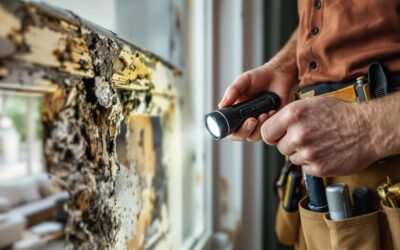
Mold and water damage often present as discoloration or staining on ceilings and walls, musty odors, peeling paint, and soft or warped wood; these signs indicate moisture intrusion that needs both source repair and remediation. In Florida, termite and wood-destroying organism evidence—mud tubes, hollow-sounding wood, and visible galleries—are common and warrant a licensed pest inspection and treatment plan. Buyers should request specific termite or mold inspections when the general report flags potential infestation or when visual/olfactory cues indicate an infestation; remediation estimates should include clearance testing and warranty terms, where applicable. When inspection findings indicate infestation or mold, prioritize source repair (stopping leaks or improving drainage) before remediation to prevent recurrence, and gather written quotes for negotiations.
Summary and business integration: Morgando Realty Services can advise buyers on negotiation strategy for issues that materially affect value and can connect clients to vetted contractors for reliable remediation estimates, helping buyers use inspection findings effectively in the transaction. The next and final section outlines how to hire a quality home inspector in Sarasota, emphasizing certifications, local knowledge, and practical interview questions.
How to Hire the Right Home Inspector in Sarasota, Florida?
Hiring the right inspector starts with verifying credentials, reviewing sample reports, and ensuring the inspector carries professional liability insurance and offers a clear scope and limitations for the inspection. Look for inspectors with national certifications such as InterNACHI or ASHI, and those who provide detailed written reports with photos and prioritized findings. While Florida-specific licensing for general inspectors varies, local experience with Sarasota building methods and hurricane-related considerations is essential. Ask the inspector for a sample report and references, confirm whether specialized services (termite, mold, thermal imaging, drone roof survey) are available or recommended, and verify insurance coverage for liability. Morgando Realty Services maintains a referral network of trusted local inspectors and contractors and can provide buyers with vetted options; prospective clients may request referrals by contacting Morgando Realty Services at 866-665-2531 or visiting their Sarasota office at 1990 Main Street, Suite 750, Sarasota, Florida 34236.
What Qualifications and Certifications Should Inspectors Have?
Preferred qualifications include certification from recognized bodies such as InterNACHI or ASHI, documented continuing education in building systems, and proof of errors-and-omissions insurance to protect buyers and sellers alike. In Florida, ask whether the inspector has experience with regional concerns—hurricane-rated construction, flood-prone systems, and termite prevalence—and whether they coordinate or recommend licensed specialists for items outside a standard inspection scope. Review a sample report to ensure it includes annotated photos, clear severity ratings, and actionable recommendations; a thorough report saves negotiation time and reduces ambiguity during repair requests. Finally, confirm scheduling flexibility and whether the inspector attends the final walkthrough or provides consultation after delivering the report.
How Does Morgando Realty Services Support Buyers with Trusted Referrals?
Morgando Realty Services is a local resource for buyers by providing access to a referral network of vetted home inspectors and licensed contractors who are familiar with Sarasota’s building practices and regional risks. Buyers working with Morgando can request referrals to inspectors who provide comprehensive reports and to contractors who supply comparable repair estimates, which aids in transparent negotiation and informed decision-making. For buyers who want assistance interpreting inspection findings, Morgando agents can help prioritize repairs, suggest negotiation approaches, and coordinate referrals for specialty services such as termite inspections or roofing assessments. To request referrals or discuss inspection follow-ups, buyers may contact Morgando Realty Services at 866-665-2531 or visit their Sarasota office at 1990 Main Street, Suite 750, Sarasota, Florida 34236 for in-person guidance.
Final transition: with a vetted inspector selected and a clear plan for prioritizing and negotiating repairs, buyers are better positioned to protect their investment and move confidently toward closing on a home that meets safety, budget, and long-term ownership expectations.
Frequently Asked Questions
What should I do if the home inspection reveals significant issues?
If a home inspection uncovers significant issues, it’s essential to assess the severity and potential costs of repairs. You can negotiate with the seller to address these problems before closing, request credits to cover repair costs, or even consider walking away from the deal if the issues are too severe. It’s advisable to obtain estimates from licensed contractors for significant repairs to support your negotiation position. Always prioritize safety hazards and structural concerns in your discussions.
How can I prepare for a home inspection as a buyer?
Preparing for a home inspection involves several steps. First, familiarize yourself with the property and its systems, noting any visible issues. Create a list of questions or concerns to discuss with the inspector. Ensure that all areas of the home are accessible, including attics, basements, and crawl spaces. Being present during the inspection allows you to ask questions and gain insights directly from the inspector, which can be invaluable for understanding the property’s condition.
Are there specific inspections needed for homes in Florida?
Yes, homes in Florida often require specialized inspections due to regional risks such as termites, mold, and hurricane-related structural concerns. It’s advisable to request a termite inspection, as Florida has a high prevalence of wood-destroying organisms. Additionally, considering mold inspections is wise, especially in humid areas. Ensure your home inspector is familiar with these regional issues and can recommend further evaluations if necessary.
What is the typical timeline for receiving a home inspection report?
Typically, buyers can expect to receive a home inspection report within 24 to 48 hours of the inspection. The report will include detailed findings, photographs, and recommendations. However, the timeline may vary depending on the inspector’s workload and the property’s complexity. It’s essential to communicate with your inspector about when you can expect the report, so you have ample time to review it before making any decisions.
How can I interpret the findings in my home inspection report?
Interpreting a home inspection report involves understanding the terminology used, such as “safety hazard,” “major defect,” and “recommended maintenance.” Start by reviewing the executive summary for immediate concerns, then examine the detailed findings and photographs. Pay attention to the severity ratings and suggested next steps. If any terms are unclear, don’t hesitate to reach out to your inspector for clarification. This understanding will help you prioritize repairs and negotiate effectively.
What are the costs associated with common home inspection repairs?
The costs for common home inspection repairs can vary widely based on the severity of the issues and local market rates. For example, roof replacements can range from $5,000 to $15,000, while plumbing repairs might cost between $300 and $2,000. Electrical panel upgrades typically fall between $1,500 and $4,000. It’s crucial to obtain estimates from licensed contractors to get a clearer picture of potential expenses and to use these figures in your negotiations.
How can Morgando Realty Services assist me during the home inspection process?
Morgando Realty Services can provide valuable support throughout the home inspection process by connecting you with vetted local inspectors and contractors. They can help you interpret inspection findings, prioritize necessary repairs, and suggest negotiation strategies. Additionally, Morgando can facilitate referrals for specialized inspections, ensuring you have access to the resources needed to make informed decisions and protect your investment effectively.

Gina Morgando is a licensed Broker & Realtor serving Sarasota, Manatee, and Palm Beach Counties. With over 10 years of experience, she helps buyers, sellers, and investors make confident real estate decisions across Florida.