
Essential Florida Seller Disclosure Guide
Sellers in Florida face a legal obligation to disclose material facts about a property that could influence a buyer’s decision or the property’s value. The duty to disclose latent defects and material information is grounded in case law, such as Johnson v. Davis, and implemented through statutory forms and practice. Understanding these duties reduces liability while smoothing the sale process. This guide explains what counts as a material fact, the statutory and case-law baseline for seller disclosure, recent 2024 flood-disclosure updates, and the specific environmental and statutory risks Florida sellers must address. Read on for practical checklists, example disclosure language, and tables that summarize flood and statutory disclosure attributes so you can prepare documentation and make accurate Seller’s Property Disclosure statements. The article closes by describing how listing agents typically handle disclosures and how Morgando Realty Services supports Sarasota-area sellers in staying up to date with 2024 changes.
What Are the Mandatory Seller Disclosure Laws in Florida?
Mandatory seller disclosure laws in Florida require sellers to reveal known material facts about a property that are not readily observable and that materially affect value or safety. The duty is both common law (Johnson v. Davis establishes a duty to disclose latent defects) and statutory, as evidenced by commonly used forms such as the Florida Realtors’ Seller’s Property Disclosure. Sellers must report known conditions, such as structural defects, water intrusion, and prior repairs, because these factors materially influence a buyer’s decision and the transaction price. Understanding the baseline—what triggers the duty of disclosure versus buyer due diligence—helps sellers identify what to record and share before listing. The following subsection lists the kinds of material facts Florida sellers most often must disclose.
Which Material Facts Must Florida Sellers Disclose?
Material facts encompass conditions that a reasonable buyer would consider necessary when deciding to buy or negotiating price, including structural damage, ongoing water intrusion, pest infestation, and undisclosed insurance claims. Sellers should document known dates, repair receipts, inspection reports, and insurance claim numbers when available, as these items typically serve as evidence of known conditions. Examples include a history of roof leaks with repair invoices, prior foundation stabilization with engineer reports, or a recorded insurance payout for flood damage; each illustrates when knowledge becomes a required disclosure. Preparing these records before listing not only protects sellers from later claims but also helps agents complete Seller’s Property Disclosure forms accurately.
How Does the Johnson v. Davis Case Influence Seller Disclosure Obligations?
Johnson v. Davis (1985) established that sellers must disclose latent defects—those not discoverable by ordinary inspection—that materially affect the property’s value, and courts will treat failure to disclose as a basis for rescission or damages. The principle requires sellers to be forthright about known hidden problems, such as concealed water damage or unrepaired termite damage. It operates alongside statutory disclosure duties to form the legal baseline in Florida. Practically, Johnson v. Davis means that even if a defect is not explicitly listed on a disclosure form, known latent problems must still be disclosed in writing; failing to do so exposes a seller to potential legal remedies sought by buyers. This case-level duty complements statutory forms and guides sellers and agents in documenting and communicating material facts.
What Are the Key Types of Property Defects and Environmental Hazards to Disclose?
Florida sellers must disclose both physical property defects and environmental hazards because both categories can materially impact habitability, safety, and insurability. Structural issues such as roof failure, foundation movement, or plumbing failures directly affect value and safety, while environmental hazards—radon, lead-based paint in older homes, mold, and asbestos—raise health and remediation concerns that buyers consider material. Florida has additional state-specific hazards, such as sinkhole activity, coastal erosion, and flood history, that frequently trigger disclosure obligations and may require specialized documentation. The following subsections explain how to identify latent defects and enumerate environmental hazards, with statutory references and action steps.
How to Identify and Disclose Latent Defects in Florida Real Estate?
Latent defects are hidden problems that are not discoverable by a casual visual inspection but are known to the seller, such as buried utilities, risk of corrosion, concealed termite damage, or subsurface foundation-failure signs that were previously repaired. Sellers can identify latent defects by reviewing repair histories, inspection reports, contractor invoices, and insurance-claim documentation, and by arranging targeted inspections when unusual signs appear. When a latent defect is identified, sellers should record the discovery in writing, include dates and documentation, and disclose the condition on the Seller’s Property Disclosure form or in an attached statement. Clear documentation reduces the chance of a later dispute. Properly recording the chain of knowledge and repair also provides evidence that the seller acted in good faith, which helps in defending against post-closing claims.
What Environmental Hazards Require Disclosure: Radon, Lead Paint, and More?
Environmental hazards that commonly require disclosure include lead-based paint for homes built before 1978, radon gas where testing or known readings exist, and mold or asbestos when known or remediated; Florida Statute references and federal lead laws guide specific obligations. For radon, state guidance and Florida Statute elements such as 404.056(5) inform disclosure practices when testing or mitigation has occurred, while federal lead-based paint rules require disclosure and records for pre-1978 construction. Sellers should document test results, remediation reports, and contractor receipts and include concise statements on disclosure forms. When environmental testing is incomplete or unknown, sellers should disclose what they do know and recommend that buyers perform their own testing as part of due diligence.
What Are the 2024 Florida Flood Disclosure Requirements for Sellers?
As of the 2024 update, flood disclosure obligations expanded to require sellers to disclose knowledge of flood damage, insurance claims, and disaster assistance received for a property, with the FD-2 form mentioned as the updated mechanism many agents use to capture flood history. The rules focus on sellers’ actual knowledge—dates of damage, insurance claim numbers, payouts, and assistance such as FEMA or state recovery funds—and apply across many residential transaction types because flood history materially affects insurability and price. Sellers should consult available FEMA flood maps and their insurance histories to assemble accurate statements about a property’s flood experience and document any repairs performed after flooding. The EAV table below summarizes key flood-disclosure attributes for quick comparison and checklist use.
Introductory note: The table below summarizes how the new 2024 flood rules apply across common residential property categories, what must be disclosed, and the statutes or forms that guide sellers and agents.
This table clarifies that disclosure obligations focus on a seller’s knowledge of flood events, insurance interactions, and remediation history; assembling insurance records and FEMA map references before listing is essential.
What Flood Damage and Insurance Information Must Sellers Provide?
Sellers must provide specific flood-related items, including the date(s) of flooding events, insurance claim numbers, amounts paid or denied, descriptions of repairs, and records of disaster assistance received; precise phrasing in the disclosure reduces ambiguity for buyers. Practical documentation includes official claim correspondence, repair invoices, contractor warranties, and remediation receipts, which together substantiate the seller’s statements and help buyers assess future risk. Sample disclosure phrasing could note: “Seller is aware of flood damage on [date]; insurance claim #[number] filed; repairs completed on [date] with invoice available.” Preparing these records and attaching them to the Seller’s Property Disclosure or FD-2 helps preempt questions and supports transparent negotiation.
Which Properties Are Affected by the New Flood Disclosure Laws?
The 2024 flood-disclosure updates broadly affect residential transactions, including single-family homes, condominium units, mobile homes, and some lease transfers where flood history is material to the occupant or buyer, because flood experience impacts habitability and insurability. Edge cases include properties with partial flood history limited to accessory structures, where sellers should disclose known events and clarify which parts of the property were affected; lacking complete records, sellers should state what they know and suggest that the buyer verify. Sellers can confirm applicability by reviewing insurance histories, FEMA flood maps, and any local floodplain designations; collecting these documents early helps determine whether FD-2 or related disclosures are necessary. Accurately defining the property category and assembling pertinent records prevents disclosure omissions that can trigger post-sale claims.
How Do HOA, Sinkholes, and Other Risks Affect Sellers?
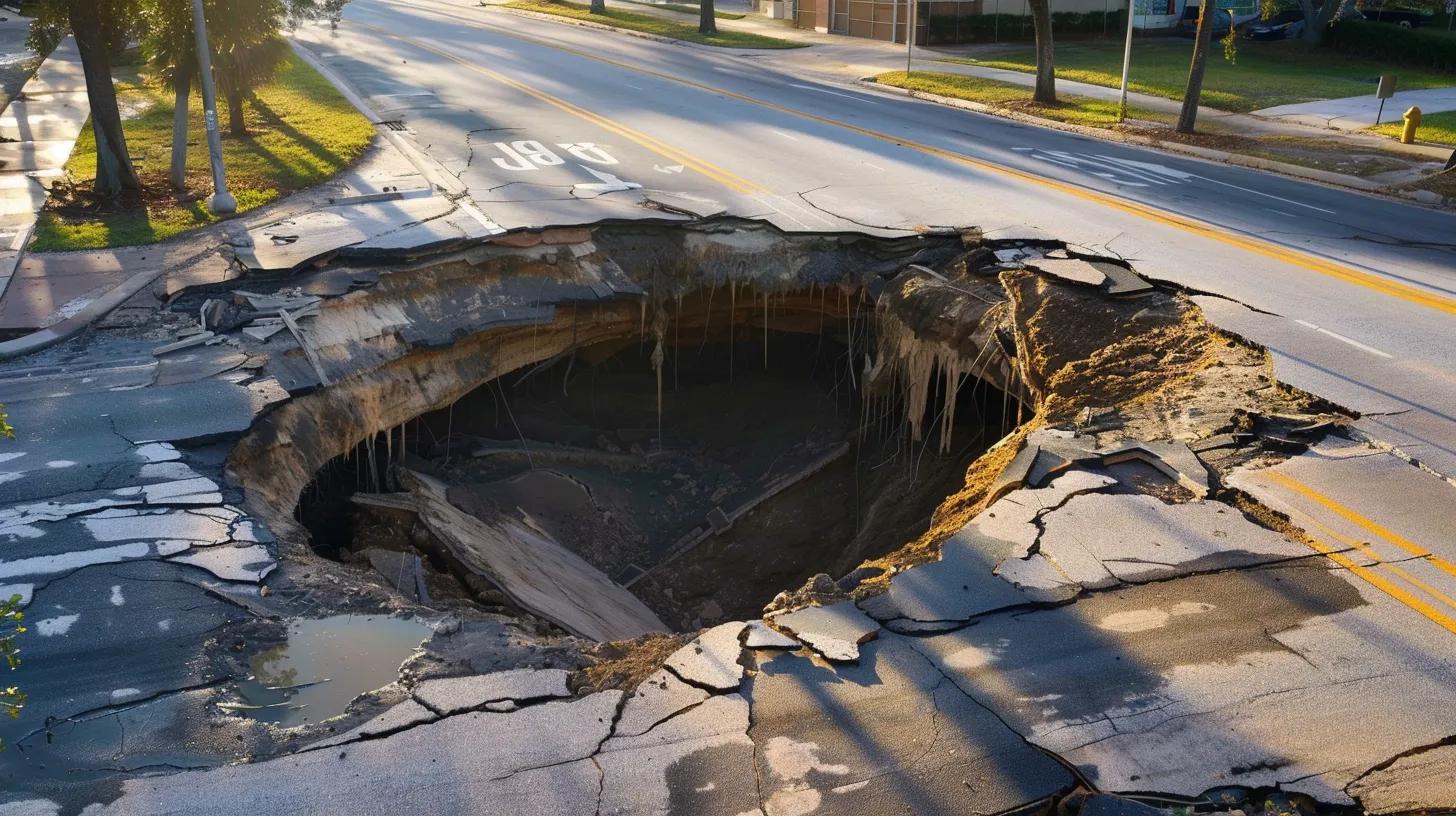
Statutory disclosures supplement general duty-to-disclose obligations by requiring specific documents or notifications for common Florida conditions, such as Homeowners Association governance, coastal construction control lines, and sinkhole activity, where local reporting exists. Buyers commonly expect HOA documents (governing documents, assessments, pending litigation) and disclosure of coastal-control limitations and, when known, sinkhole remediation, because these matters affect future costs and use restrictions. The following EAV table compares these statutory disclosures side-by-side to help sellers determine what to collect and present to prospective buyers.
Introductory note: The table below compares HOA, coastal, and sinkhole disclosure elements to help sellersand match evidence to expected disclosure categories.
This comparison helps sellers prioritize documents to gather—HOA records, coastal permits, and geotechnical or repair reports—so disclosures are complete and evidence-backed.
What Are Florida’s HOA Disclosure Obligations for Sellers?
Florida law and common practice require sellers to disclose HOA-related facts that materially affect a property’s use and cost, including current assessments, known special assessments, pending litigation involving the association, and any transfer or governance fees that transfer with title. Sellers should assemble the association declaration, bylaws, recent meeting minutes or special assessment notices, and account statements showing current dues; these documents are what buyers and lenders typically review during due diligence. Failing to provide HOA documentation in a timely manner can delay closing or lead to buyer claims, so collecting and sharing these items early reduces friction. The following subsection explains how to approach coastal and sinkhole risks with appropriate phrasing and evidence.
How to Disclose Coastal Property and Sinkhole Risks Properly?
When a property is coastal or has known sinkhole activity, sellers should use clear, factual statements describing the condition, dates of any events, repairs performed, and supporting reports such as surveys or geotechnical analyses; sample language reduces ambiguity for buyers. Recommended documentation includes coastal permits, shoreline-change surveys, engineer or geotechnical reports for sinkhole remediation, and repair invoices or warranties; attaching these records to the Seller’s Property Disclosure or an addendum demonstrates thoroughness. For Sarasota-area sellers, local factors like rip-rap, beach nourishment, or county-level notices may be relevant and should be noted where applicable; when in doubt, secure professional reports to substantiate statements. Timely professional reports and precise phrasing help buyers evaluate long-term risks and insurance implications.
What Nondisclosure Agreements Are There for Nondisclosure, and How Can Sellers Protect Themselves?

Failing to disclose material facts can result in legal claims, including nondisclosure, breach of contract, or rescission, and can expose sellers to damages, repair costs, and attorney fees; the risk profile increases when a seller knowingly hides material defects. Practical mitigation steps include obtaining pre-listing inspections, maintaining written disclosures with attached documentation, and preserving records of repairs and insurance claims; these actions form the primary defenses against post-closing claims. The table below maps common nondisclosure risks to legal consequences and practical mitigations so sellers can prioritize protective steps and coordinate with their agent and legal counsel when needed.
Introductory note: The following EAV-style table links common disclosure risks to the likely legal consequences and immediate mitigation actions sellers should take before listing.
This mapping shows that documentation and proactive inspections are the most effective means of addressing common disclosure exposures, and that agents and counsel play essential roles in review and risk assessment.
What Legal and Financial Risks Do Sellers Face for Failing to Disclose?
Legal risks include buyer lawsuits for nondisclosure, requests for contract rescission, and demands for monetary damages to cover repairs or loss in value; financial risks include repair costs, returned purchase funds, and litigation expenses. Insurance may not cover fraud-based penalties, and courts often award buyers remedies when sellers concealed material facts, so that the financial exposure can be significant relative to the transaction. Sellers should consult an attorney when a material issue is complex or when disputes arise, and keeping contemporaneous records of disclosures and communications is essential to providing evidence. The following subsection provides a best-practices checklist for sellers to follow to reduce the risk of disputes.
What Best Practices Should Sellers Follow to Ensure Compliance?
Sellers should follow a clear checklist before listing: obtain professional inspections, compile repair and insurance records, complete the Seller’s Property Disclosure and FD-2 where applicable, and keep copies of all disclosed documentation for their records. Additional steps include coordinating with a knowledgeable listing agent to review disclosures, obtaining specialized reports for coastal or sinkhole concerns, and, when in doubt, seeking legal advice to tailor disclosure language; these actions demonstrate good faith and reduce dispute risk. A short, numbered checklist helps sellers proceed methodically and ensures that material facts are communicated consistently to prospective buyers. Implementing these steps protects sellers and improves buyer confidence during negotiation.
- Sellers should obtain a comprehensive pre-listing inspection and retain the full report.
- Sellers should gather all insurance claim documents, repair invoices, and contractor warranties.
- Sellers should fully complete the Seller’s Property Disclosure and FD-2 forms when flood or other specific issues apply.
Summary paragraph: Following this checklist improves the seller’s position in negotiations and creates a documented trail that reduces legal exposure, and the next section explains how agents typically help coordinate these protective steps.
How Can Morgando Realty Services Assist Sellers with Florida Disclosure Requirements?
Morgando Realty Services can support Sarasota-area sellers by providing local expertise and aligning the listing process with current disclosure expectations, including the 2024 flood-disclosure changes. The firm’s stated strengths—tailored solutions and deep local knowledge—help sellers compile relevant records and present accurate disclosures. Listing agents commonly assist by coordinating inspections, reviewing the Seller’s Property Disclosure and FD-2 completion, and assembling HOA or coastal documentation for buyers and lenders. Morgando Realty Services emphasizes expert guidance with integrity in these tasks. While the educational content in this guide is topic-first, sellers in Sarasota who want additional hands-on assistance can contact the firm via their Google Business Profile to discuss the Sell A Home service and how an agent can help with document review and inspection coordination. The following subsections outline general agent duties and describe how Morgando Realty Services positions local assistance for disclosure needs.
What Role Do Real Estate Agents Play in Navigating Seller Disclosures?
Real estate agents advise sellers on what to disclose, coordinate and recommend inspections, prepare disclosure forms and addenda, and facilitate document exchange with buyers and lenders; these duties form the practical backbone of disclosure compliance. Agents also help interpret statutory requirements and ensure that forms such as the Seller’s Property Disclosure and FD-2 are completed and attached where necessary, reducing the likelihood of post-closing disputes driven by omissions or ambiguities. Good communication between seller and agent—documenting what the seller knows and providing supporting records—improves transparency and reduces misunderstandings during escrow. This collaborative process typically includes review sessions where the agent helps translate technical reports into clear disclosure language.
How Does Morgando Realty Services Provide Tailored Guidance for Sarasota Sellers?
Morgando Realty Services leverages local Sarasota market knowledge to advise sellers on area-specific disclosure considerations, such as coastal erosion, rip-rap permits, and localized flood patterns, helping sellers assemble the necessary evidence for buyers and lenders. The firm’s approach emphasizes tailored solutions and commitment to client satisfaction, focusing on guiding sellers through inspection coordination and document preparation without supplanting legal advice where legal questions arise. Sellers can reach out via the company’s Google Business Profile to inquire about Sell A Home services and how an experienced listing agent can help with flood disclosures and HOA paperwork. Local expertise combined with careful documentation practices helps Sarasota sellers present accurate, defensible disclosures in today’s regulatory environment.
Frequently Asked Questions
What should sellers do if they are unsure about a material fact?
If sellers are uncertain whether a fact is material or how to disclose it, they should consult a real estate professional or a legal advisor. It’s crucial to err on the side of caution, as failing to disclose known issues can lead to legal repercussions. Sellers can also consider obtaining a pre-listing inspection to identify the potential problems that may need to be disclosed. Documenting any findings and seeking guidance on how to communicate them effectively can help mitigate the nondisclosure.
Are there penalties for failing to disclose material facts?
Yes, sellers can face significant penalties for failing to disclose material facts. Legal consequences may include a lawsuit or nondisclosure, which can result in financial damages, repair costs, and even rescission of the sale. Courts often favor buyers in these cases, especially if it is proven that the seller knowingly concealed information. To avoid these penalties, sellers should maintain thorough documentation and be transparent about any known issues with the property.
How can sellers prepare for potential buyer questions about disclosures?
Sellers can prepare for buyer questions by compiling all relevant documentation related to the property, including inspection reports, repair invoices, and any previous disclosures. Anticipating common inquiries about known issues, such as flood history or structural repairs, enables sellers to provide clear, concise answers. Additionally, practicing how to communicate these details can help sellers feel more confident during negotiations and ensure they present a transparent and trustworthy image to potential buyers.
What is the role of a real estate attorney in the disclosure process?
A real estate attorney plays a vital role in the disclosure process by providing legal advice on what must be disclosed and ensuring compliance with state laws. They can help sellers understand their obligations, review disclosure documents for accuracy, and draft clear, legally sound statements. In cases of disputes or complex issues, having an attorney involved can protect sellers from potential legal repercussions and help them navigate challenging situations effectively.
How can sellers ensure compliance with the latest disclosure laws?
Sellers can ensure compliance with the latest disclosure laws by staying informed about regulatory changes, such as the 2024 flood disclosure requirements. Regularly consulting with real estate professionals and legal advisors can help sellers understand their obligations. Additionally, using checklists and templates for disclosure forms can streamline the process. Keeping thorough records of all property-related issues and repairs will also support compliance and provide evidence of good faith in disclosures.
What should sellers do if they discover a new defect after listing their property?
If sellers discover a new defect after listing their property, they must disclose this information to potential buyers as soon as possible. Transparency is key to maintaining trust and avoiding legal issues. Sellers should document the defect, including any repairs made or planned, and update their Seller’s Property Disclosure form accordingly. Communicating openly with their real estate agent about the new findings will help ensure that all necessary disclosures are made and that the selling process remains smooth.

Gina Morgando is a licensed Broker & Realtor serving Sarasota, Manatee, and Palm Beach Counties. With over 10 years of experience, she helps buyers, sellers, and investors make confident real estate decisions across Florida.