Explore Myakka City Real Estate
Myakka City rural properties and acreage describe parcels and homes where land use, zoning, and lot size allow agricultural, equestrian, and low-density residential lifestyles in a Southwest Florida setting. This guide explains how Myakka City’s zoning framework, open landscapes, and proximity to regional amenities shape opportunities for farms, ranches, homes with acreage, and vacant land purchases or sales. Readers will learn what property types to expect, how valuation works for acreage, current market signals through 2025, practical steps for buying and selling, where to find curated listings, and the lifestyle benefits available to acreage owners. The article blends practical checklists, comparative tables, and visual resources to help buyers, sellers, and investors make informed decisions about Myakka City real estate, rural properties in Florida, and Myakka City land for sale. Throughout, semantic context ties key concepts—zoning, parcel infrastructure, and comparable metrics—to buyer use cases such as equestrian properties and hobby farms.
What Makes Myakka City Ideal for Rural Living and Acreage Properties?
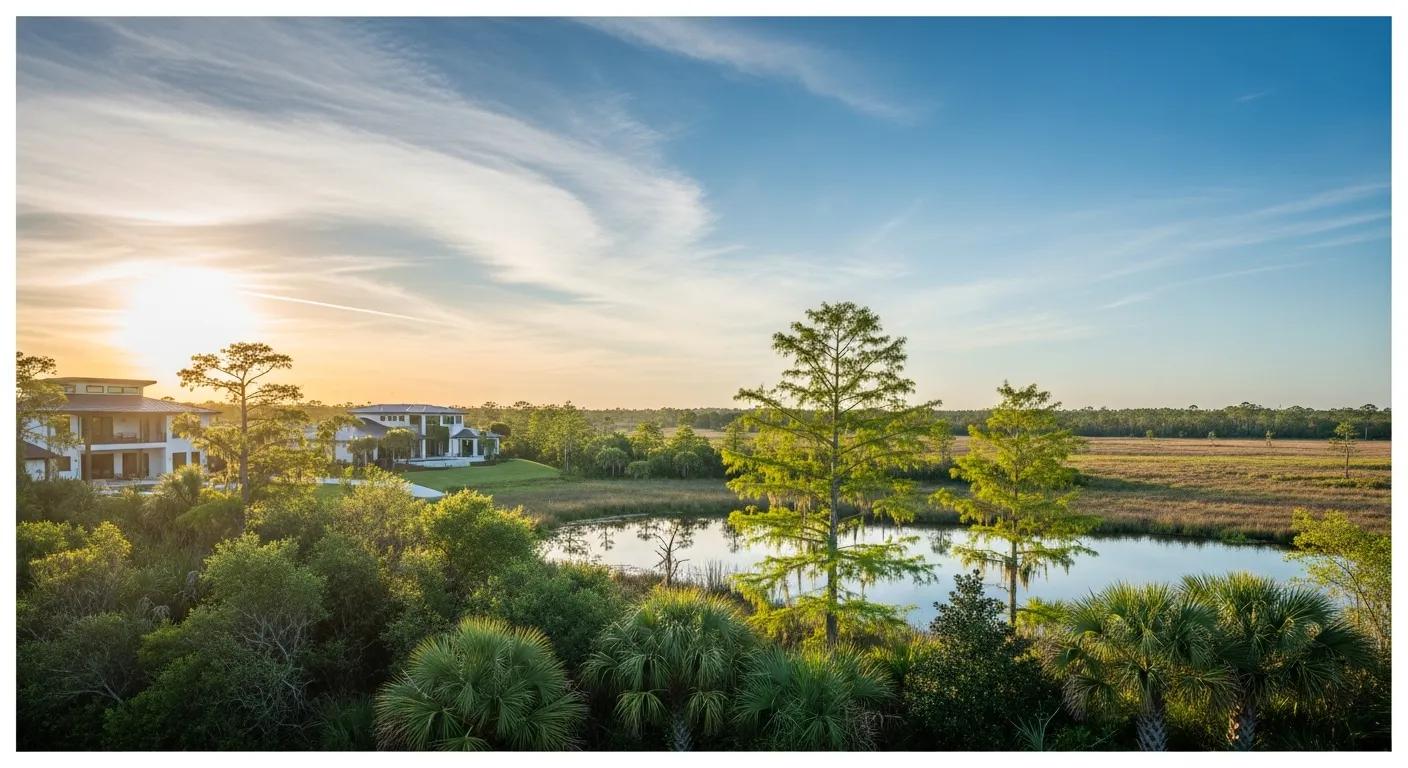
Myakka City is ideal for rural living because local zoning and parcel patterns support larger lot sizes, creating an environment where agricultural and equestrian uses coexist with low-density residential development. The mechanism behind that appeal is regulatory preservation—minimum-lot and rural zoning limit parcel fragmentation, which sustains available acreage and rural character and therefore benefits long-term land values. Buyers gain privacy, flexibility to maintain barns or pastures, and access to outdoor recreation that enhances quality of life. Understanding these structural advantages helps buyers evaluate why some parcels command premiums and how proximity to protected open spaces affects both lifestyle and valuation.
Myakka City’s rural setting produces distinct valuation drivers linked directly to scarcity and utility; the following subsection explains how those traits translate into price premiums and buyer demand.
How Does Myakka City’s Rural Character Enhance Property Value?
Myakka City’s rural character enhances property value through a combination of scarcity of large lots, demand from specialty buyers (equestrian and agricultural), and proximity to regional assets that support outdoor lifestyles. Scarcity arises when zoning establishes minimum lot sizes of 5 to 10 acres or when contiguous parcels remain undeveloped, thereby raising per-acre value relative to parcels in denser suburbs. Buyers pursuing equestrian properties or small-scale farming often place a premium on infrastructure—barns, fencing, pastures, wells—that reduces initial investment and shortens time-to-use, supporting higher offers. Proximity to large natural areas such as Myakka River State Park and river corridors adds recreational appeal and can improve resale prospects for acreage parcels. These value mechanisms explain why sellers can justify strategic pricing when strong infrastructure and protected landscapes are present.
What Types of Rural Properties Are Available in Myakka City?
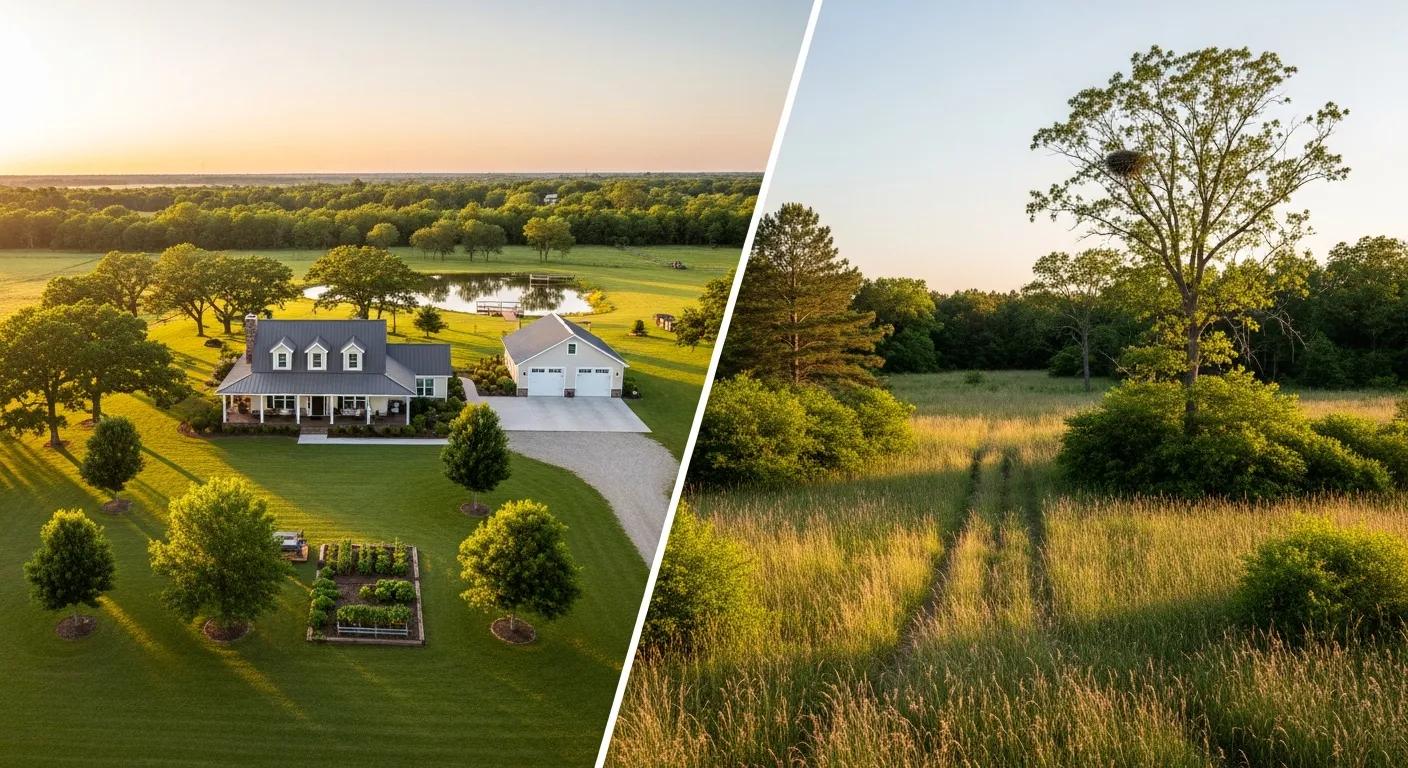
Rural property inventory in Myakka City typically includes farms and ranches, homes with acreage, equestrian properties, and vacant land or parcels suitable for development. Each type serves different buyer profiles—hobby farmers, full-time agricultural operators, horse owners, and investors seeking land appreciation—and presents distinct inspection priorities such as water access, soil quality, and existing infrastructure. Understanding these categories helps match search filters to intended use and clarifies which meronymous components—barns, fencing, wells, septic systems—are negotiable items in offers and due diligence.
The table below compares typical lot sizes, standard features, and primary buyer uses to simplify early-stage screening.
The following table summarizes common rural property types and what buyers typically expect when evaluating listings.
This comparison clarifies how parcel size and infrastructure align with buyer goals and why targeted searches using these categories reduce time spent on unsuitable listings.
What Are the Features of Farms and Ranches in Myakka City?
Farms and ranches in Myakka City typically combine a range of acreage, water access, and agricultural infrastructure to support livestock or crop operations. Typical features include barns or equipment sheds, perimeter or cross fencing, pastureland quality assessments, and sometimes irrigation or natural water sources; verifying the presence and condition of a water well and septic system is essential. Soil composition and drainage patterns determine the suitability of specific crops or pasture grasses, and existing outbuildings reduce the time and capital required to begin operations. When examining listings, buyers should request recent aerial imagery and ask about utilities, access roads, and any agricultural easements that could restrict use.
Inspecting those physical and legal attributes early helps buyers prioritize parcels that meet their operational needs and reduces risk at closing.
What Defines Homes with Acreage and Equestrian Properties in Myakka City?
Homes with acreage and equestrian properties combine residential living with land-optimized features that support animals, recreation, and small-scale agriculture on the same parcel. Common equestrian infrastructure includes stalls or barns, arenas or round pens, safe perimeter fencing, turnout areas, and space for hay and equipment storage; zoning and neighbor land uses influence how easily these facilities can be expanded. Buyers should look for appropriate driveway access, building setbacks, and adequate utility arrangements—particularly well capacity and septic sizing—to support household and barn demands. Suitability assessments for horse owners should include ride-out access, proximity to trails or open land, and confirmatory zoning provisions that permit boarding or training if those activities are planned.
Clear documentation of these elements reduces post-purchase surprises and supports accurate valuation for both buyers and sellers.
How Is the Myakka City Rural Real Estate Market Performing in 2025?
The Myakka City rural real estate market in 2025 shows a mixed picture: while inventory for large-acre parcels remains limited, price sensitivity and time on market vary by property type and condition. Market mechanisms at work include higher list-to-sale gaps for specialty acreage—where sellers test the market—and faster closings for well-improved equestrian or farm-ready parcels due to immediate utility. Local broker insights indicate that buyers seeking turnkey agricultural or equestrian setups face competition, whereas raw vacant land can linger longer as financing and due diligence hurdles are resolved. Below is a compact EAV-style table contrasting 2024 and 2025 metrics across key listing types to illustrate these shifts and support negotiation strategy.
The following table highlights comparative listing metrics for acreage, residential with land, and vacant land to surface trends through 2025.
This table shows modest list-price increases, variable realized sale prices, and slightly more extended marketing periods for raw land; sellers should calibrate pricing expectations, and buyers should anticipate negotiation windows based on property type.
What Are the Current Average Prices and Market Conditions for Acreage?
Acreage in Myakka City is presenting a split market in 2025: well-improved parcels with equestrian or agricultural infrastructure often sell closer to list expectations, while raw acreage shows a wider list-to-sell gap and longer days on market. Average listing prices have risen modestly year over year, reflecting limited supply and sustained buyer interest for space. Still, average sold prices are lower than list prices for raw land, and buyer interest is in where sellers overprice. Days on market for acreage increased as buyers sharpened due diligence on access, permitting, and financing constraints, extending the negotiation timeline. For buyers, this environment favors thorough technical checks and patient offers; for sellers, preparing detailed parcel documentation and addressing obvious deficiencies can improve sell-through rates and shorten market exposure.
How Do Demographics and Zoning Impact Rural Property Demand?
Demographics and zoning combine to shape demand for Myakka City rural properties by aligning buyer priorities—space, privacy, family orientation—with regulatory frameworks that preserve parcel sizes and rural character. Household preferences for outdoor lifestyles, multigenerational living, or hobby farming increase interest in 2–20+ acre parcels, while zoning minimums and agricultural districts limit density and guide where new residential development can occur. These regulatory controls often sustain per-acre values by restricting fragmentation and protecting contiguous open land. Local planning designations and lot-size requirements also dictate what improvements or commercial activities are permitted, so buyers must confirm allowable uses and potential need for special permits when planning barns, commercial equine operations, or agricultural enterprises.
Understanding these demographic motives and zoning constraints helps buyers target properties consistent with both lifestyle goals and long-term regulatory certainty.
How to Buy and Sell Rural Properties and Acreage in Myakka City?
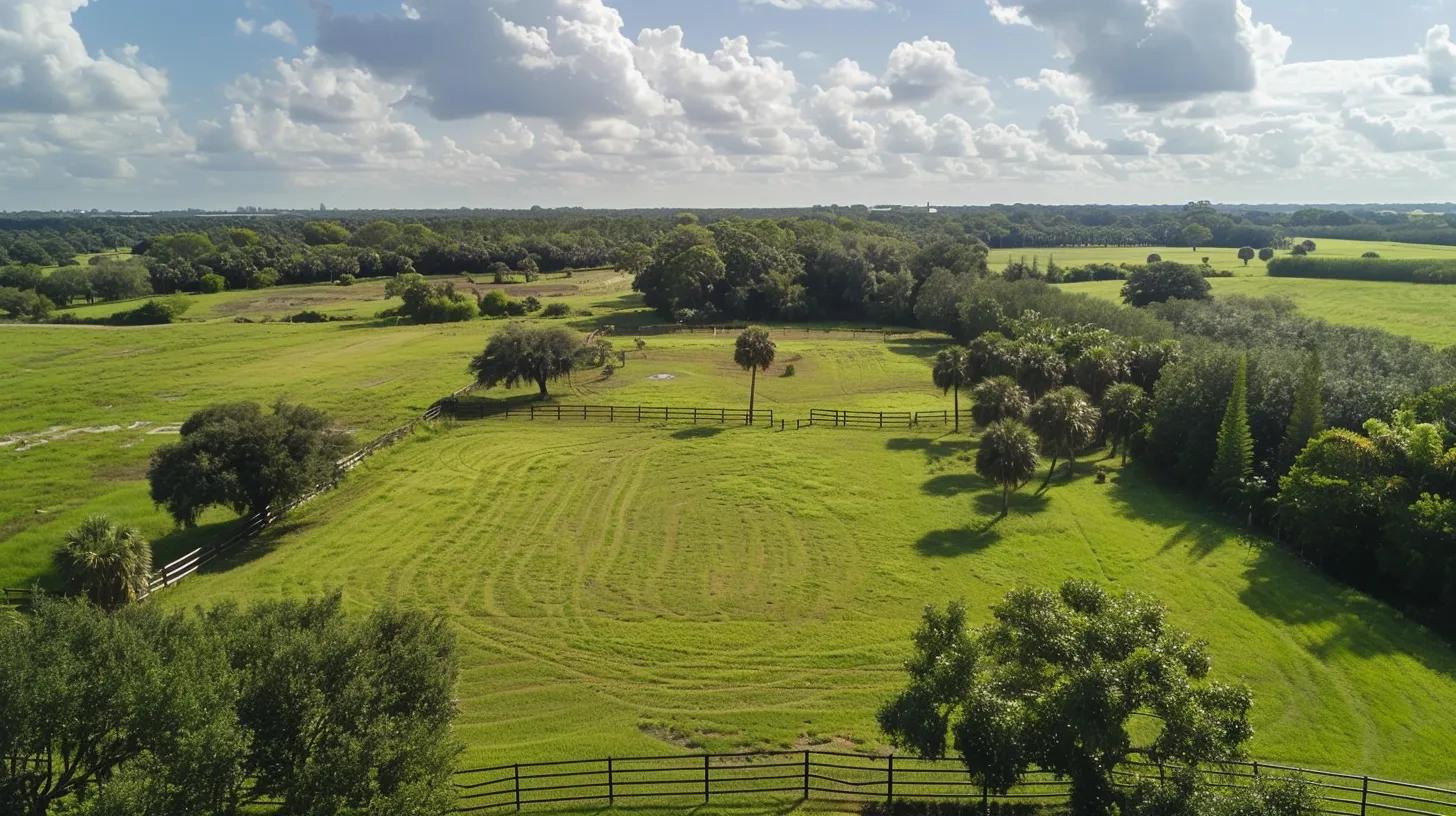
Buying and selling acreage in Myakka City requires a stepwise approach that prioritizes accurate parcel information, technical inspections, financing alignment, and zoning verification before closing. The mechanism that reduces transaction risk is disciplined due diligence: secure surveys, verify access and easements, order septic and well inspections, and confirm zoning and permit history. Sellers benefit from preparing clear property disclosures, documenting improvements, and providing aerial imagery and FIRM/flood documentation to reduce buyer friction. The checklist below provides an actionable sequence for both buyers and sellers to follow when engaging with rural listings.
- Initial Screening: Verify legal acreage, zoning, and access before site visits.
- Technical Due Diligence: Order survey, soil tests, well and septic inspections, and floodplain review.
- Financing & Offers: Align the offer with lender requirements or cash/land-loan timelines.
- Permits & Approvals: Confirm required agricultural or equestrian permits and local variances.
- Closing Preparedness: Arrange title, survey updates, and any required releases or easements.
These steps reduce surprises and create negotiation leverage; the following subsection explains financing and zoning specifics that commonly arise in Myakka City acreage deals.
What Are the Key Considerations for Financing and Zoning Compliance?
Financing rural land in Myakka City commonly involves specialty products—land loans, portfolio lenders, or conventional mortgages on properties with dwellings—and lenders will scrutinize property use, access, and utility readiness. Typical considerations include higher down-payment expectations for raw land, documented income for agricultural loans, and lender requirements for surveys and clear legal access. Zoning compliance requires confirming minimum lot sizes, allowable outbuildings, and whether any agrarian use requires permitting or falls under county agricultural exemptions; Manatee County planning channels and parcel maps are primary sources for this verification. Buyers should also assess environmental constraints—such as wetlands, protected species habitat, or conservation easements—that can materially affect buildability and financing options, and coordinate with surveyors and local planners early in the process.
Precise coordination between financing strategy and zoning review shortens timelines and avoids late-stage financing or permit denials.
How Can Morgando Realty Services Assist with Rural Property Transactions?
Morgando Realty Services can assist buyers and sellers as a local brokerage offering tailored search services, market comparables, and transaction coordination for rural properties and acreage in the Myakka City area. As a regional firm with a physical presence in Sarasota, Morgando Realty Services offers practical support, sourcing suitable listings, compiling comps for valuation, and connecting clients to trusted local specialists such as surveyors, lenders, and inspectors. Their role is primarily facilitative—helping clients navigate the sequence of screenings, due diligence orders, and negotiation steps required for acreage deals—rather than providing technical inspections or lender products. For buyers or sellers who prefer guided searches or curated lists of farm-ready or equestrian-ready properties, local brokerage assistance can compress the search timeline and provide context-sensitive valuation guidance.
This description underscores practical brokerage functions while keeping the article’s focus on actionable guidance for rural transactions.
Reviewing financing options alongside zoning checks helps buyers align offers with lender expectations and prevents conditional financing failures at closing.
Where to Find and Explore Myakka City Rural Listings?
Finding Myakka City land for sale and rural listings requires a mix of MLS searches with targeted filters, specialist land portals, county parcel viewers, and engagement with local brokers who maintain pocket listings. Effective searches focus on filters for acreage, zoning designations, road access, and keywords like “barn,” “pasture,” or “equestrian.” Visual validation—satellite imagery and parcel overlays—helps screen for boundaries, tree cover, and access roads before site visits. Early engagement with a local broker is often valuable because they can curate options, assemble comparables, and coordinate the site-visit logistics that rural properties frequently require.
- Use precise acreage filters to exclude suburban lots and focus on parcels that match the intended use.
- Search by zoning code or keywords (e.g., agricultural, equestrian) to find permitted uses.
- Request parcel maps and aerials from listing agents to confirm boundaries and access conditions.
- Verify legal access by reviewing deeded easements or recorded rights-of-way.
These tactics reduce time spent on unsuitable properties; the following subsection lists due diligence items to request from sellers or agents during early-stage evaluation.
How to Navigate Vacant Land, Farms, and Ranch Listings Effectively?
Screening rural listings effectively starts with verifying legal acreage, recorded access, and basic utility availability before committing to an onsite visit. Early red flags include parcels without legal road access, unclear easements, lack of potable water sources, and placement in regulated floodplains or conservation overlays. Buyers should order a preliminary title run, request any available recent surveys, and ask sellers for documentation of past agricultural use or improvements. For listed farms and ranches, inspect fencing, gate access, confinement areas, and the condition of outbuildings; for vacant land, focus inspection priorities on soil, drainage, and potential for septic and sound installation.
A structured initial-screen checklist reduces wasted site visits and provides a defensible basis for offers and contingencies.
What Visual and Map Resources Help Evaluate Acreage Properties?
High-quality visual and map resources include county parcel viewers, satellite imagery platforms, elevation/topography maps, and drone photography that reveal boundary clarity, topography, vegetation, and access routes. Using a parcel overlay shows tax-parcel lines and recorded easements; satellite imagery helps detect cleared pastures, wetland signatures, and road conditions that are not always obvious in listing photos. Drone imagery or annotated aerials supplied by listing agents can highlight key features—fence lines, outbuildings, and soil condition—while property boundary overlays aid in spatial planning for arenas, outbuildings, or paddocks. Requesting these assets up front empowers buyers to prioritize inspections and understand likely permitting or grading needs.
Asking listing agents for appropriately captioned, high-resolution visuals speeds accurate appraisal and reduces surprises during due diligence.
At this point, consider contacting a local brokerage, such as Morgando Realty Services, for curated searches and tailored alerts; agents with local expertise can assemble parcel documentation, coordinate on-the-ground access, and connect clients to trusted inspectors and lenders.
What Lifestyle Benefits Does Living on Rural Acreage in Myakka City Offer?
Living on acreage in Myakka City provides space for recreation, privacy, and the ability to pursue agricultural or equestrian activities close to home while remaining within reach of regional services. The mechanism that creates lifestyle value is land-use flexibility: owners can install barns, grow gardens, keep horses, and design outdoor amenities that suburban lots cannot support. Acreage living also supports outdoor recreation—trails, birding, and paddling—when properties are near river corridors or state park boundaries, which enhances day-to-day quality of life. For families and retirees alike, acreage can provide long-term utility: intergenerational space, room for hobby farming, and optional revenue streams such as boarding or agricultural leases when zoning permits.
The following subsection explains how properties support equestrian and agricultural activities and what infrastructure matters most to owners.
How Does Rural Living Support Equestrian and Agricultural Activities?
Rural acreage supports equestrian and agricultural activities by providing contiguous space for paddocks, arenas, turnout, and crop or pasture management that is impractical on smaller suburban parcels. Necessary infrastructure includes well-constructed stalls, a safe perimeter and cross-fencing, a reliable water supply (well and trough systems), and appropriate drainage to protect footings and pasture quality. Hobby farms may function on modest acreage with careful rotational grazing, while commercial operations require additional permitting, manure management plans, and more substantial infrastructure investments. Local suppliers, trainers, and service providers support these activities, and property buyers should confirm local availability of feed, farriers, and veterinary services as part of planning for ongoing operational costs.
Assessing infrastructure needs against intended use helps owners choose parcels that minimize upfront capital expenditures and align with day-to-day management realities.
What Community and Recreational Amenities Are Available Nearby?
Nearby community and recreational amenities that enhance acreage living include large state and regional parks, river corridors for paddling and fishing, and small towns that provide essential services, schools, and community events. Proximity to major outdoor areas offers immediate opportunities for trail riding, wildlife viewing, and extended recreational pursuits that complement farm and equestrian lifestyles. Commuting considerations to regional employment centers or service hubs factor into daily life for acreage residents, and accessibility to nearby towns for supplies, veterinary care, and schools increases a property’s practical appeal. These local amenities and service connections, combined with the land itself, form the holistic amenity set that buyers evaluate when choosing Myakka City acreage.
Living on acreage, therefore, rebalances the utility of these private lots with the convenience of nearby community resources and outdoor recreation opportunities.
Frequently Asked Questions
What are the zoning regulations for rural properties in Myakka City?
Zoning regulations in Myakka City are designed to maintain the rural character and support agricultural and equestrian uses. Typically, minimum lot sizes range from five to ten acres, which helps prevent parcel fragmentation. These regulations dictate what types of structures can be built and what activities are permitted, such as farming or livestock keeping. Buyers should consult local zoning maps and regulations to understand the specific allowances and restrictions for any property they are considering, ensuring their intended use aligns with local laws.
How can I determine the best use for a rural property in Myakka City?
Determining the best use for a rural property in Myakka City involves assessing several factors, including zoning regulations, land characteristics, and personal goals. Buyers should evaluate soil quality, water access, and existing infrastructure to determine which agricultural or recreational activities are feasible. Additionally, considering proximity to amenities and community resources can influence the property’s utility. Engaging with local experts, such as real estate agents or agricultural consultants, can provide valuable insights into the most suitable uses for a specific parcel.
What financing options are available for purchasing rural land in Myakka City?
Financing options for purchasing rural land in Myakka City include land loans, conventional mortgages, and USDA agricultural loans. Land loans typically require higher down payments and may have shorter amortization periods. Conventional mortgages can be used if the property has a dwelling, while USDA loans may support productive agricultural operations. Buyers should be prepared to provide documentation of intended use and may need to work with lenders familiar with rural properties to navigate specific requirements and secure favorable terms.
What should I look for during a property inspection in Myakka City?
During a property inspection in Myakka City, buyers should focus on several key aspects: the condition of existing structures, water access, soil quality, and zoning compliance. Inspecting barns, fencing, and any agricultural infrastructure is crucial for understanding the property’s operational potential. Additionally, checking for easements, access roads, and any environmental constraints, such as wetlands, can impact future use. Engaging a qualified inspector familiar with rural properties can help identify potential issues and ensure that the property meets the buyer’s needs.
How does the local community support rural living in Myakka City?
The local community in Myakka City supports rural living through amenities and services that enhance residents’ quality of life. Nearby state parks and recreational areas provide opportunities for outdoor activities such as hiking, fishing, and horseback riding. Local towns offer essential services, schools, and community events that foster a sense of belonging. Additionally, access to agricultural suppliers and veterinary services supports those engaged in farming or equestrian activities, making it easier for residents to manage their rural lifestyles effectively.
What are the long-term benefits of investing in rural properties in Myakka City?
Investing in rural properties in Myakka City offers several long-term benefits, including potential appreciation driven by limited supply and high demand for larger lots. The flexibility of land use allows for various activities, such as farming, equestrian pursuits, or simply enjoying privacy and space. Additionally, the rural lifestyle promotes a connection to nature and outdoor recreation, which can enhance overall wellbeing. As urban areas expand, the appeal of rural living may increase, making these properties a sound investment for the future.

Gina Morgando is a licensed Broker & Realtor serving Sarasota, Manatee, and Palm Beach Counties. With over 10 years of experience, she helps buyers, sellers, and investors make confident real estate decisions across Florida.