
Boost Home Value with Expert Landscaping
A well-planned landscape does more than beautify a property — landscaping to increase home value combines design, plant selection, and maintenance to improve curb appeal, expand usable living space, and deliver measurable returns at sale. This guide explains how garden design and ongoing upkeep influence buyer perception, appraisal adjustments, and marketability, using practical examples and local considerations for Sarasota, Florida. Readers will learn which landscaping elements buyers notice first, which projects typically offer the best return on investment, and how low-maintenance, sustainable choices like native plants and smart irrigation reduce long-term costs. The article maps a seller’s timeline for landscaping investments, offers seasonal maintenance checklists tailored to Florida conditions, and shows how to prioritize work based on local buyer preferences. Throughout, target topics such as landscaping ROI, garden design tips, xeriscaping, and outdoor living space are integrated to give actionable steps for homeowners preparing to sell or invest in property enhancements.
How Does Landscaping Enhance Home Value and Curb Appeal?
Landscaping enhances home value by improving first impressions, increasing perceived functionality of outdoor space, and signaling consistent maintenance to prospective buyers. Visual impact—the front yard, entryway, and lighting—shapes buyer decisions within seconds. At the same time, functional features like patios or privacy hedges expand usable living area and suggest lower near-term maintenance costs. Recent market analyses show that curb appeal improvements can lead to a measurable increase in resale price and a faster time-to-market, making targeted landscaping a cost-effective property enhancement. Understanding these mechanisms directly enables quantifying changes in estimated value and identifying specific elements that influence buyer interest and offers.
Homeowners can prioritize visual and functional interventions that buyers value most to achieve the most significant market impact while controlling costs. This sets up a closer look at how curb appeal specifically translates into resale outcomes and improvements in speed-to-offer.
What Is the Impact of Curb Appeal on Property Resale Value?
Curb appeal directly affects resale value because it shapes buyer perception before any interior tour and can change perceived maintenance liability and desirability. Studies and agent surveys commonly report that thoughtful exterior improvements can increase sale price by roughly 5% to 15%, depending on scope, neighborhood, and local demand, while also shortening time on market. A micro example: a tidy front yard with defined planting beds, trimmed hedges, and welcoming lighting can move a buyer from uncertainty to offer more quickly, reducing days on market. To achieve these benefits, sellers should focus on high-visibility, low-cost actions first—cleaning, fresh mulch, and fixing pathways—to produce immediate uplift.
Quick actions that improve curb appeal often require minimal time and budget but deliver notable buyer impressions, which leads to the question of which specific landscaping elements deserve priority in planning and execution.
Which Landscaping Elements Most Influence Buyer Interest?
Buyers typically notice a handful of landscape features first: the condition of the front lawn, a clear and attractive entry path, mature trees, neat planting beds, and adequate outdoor lighting. Each element has a role—mature trees frame the house and provide shade, pathways guide arrival and imply safe entry, and planting beds add color, texture, and seasonal interest that suggest ongoing care. Functional elements such as privacy hedges, patios, or outdoor living areas also register strongly with lifestyle-driven buyers who value usable exterior space. Prioritizing these elements—front yard lawn quality, entryway definition, and layered plantings—yields the most consistent buyer appeal.
Considering these priorities helps homeowners plan projects that balance visual impact and long-term maintenance commitments, which connects naturally to identifying the highest-ROI landscaping projects.
What Are High-ROI Landscaping Projects to Maximize Property Value?
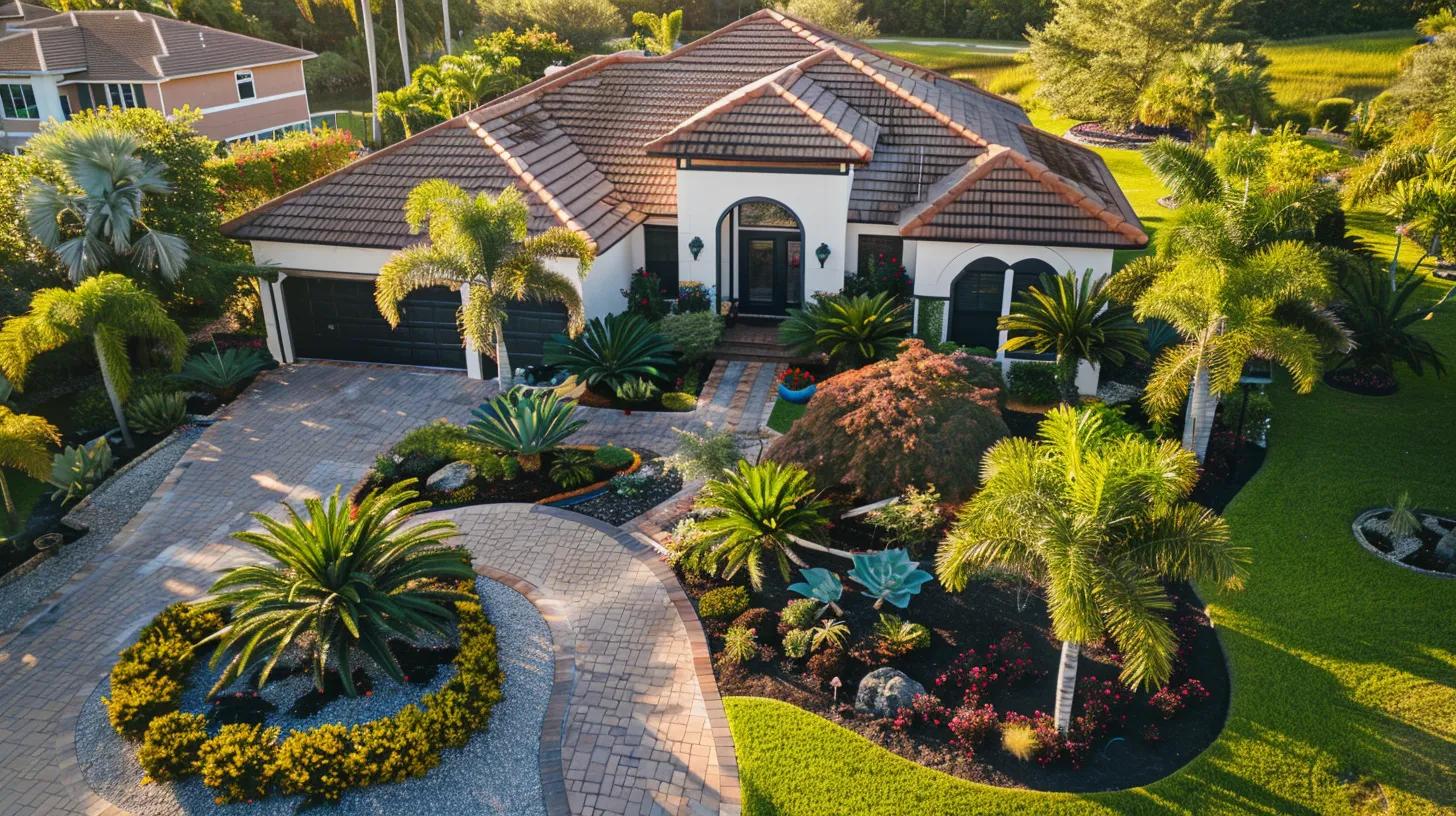
High-ROI landscaping projects maximize buyer appeal while keeping costs reasonable; top candidates include improving lawn condition, adding defined mulch beds with native plantings, installing simple hardscaping, such as walkways, and creating modest outdoor living spaces, such as patios or decks. These projects work because they combine immediate visual improvement with functional value that buyers understand, translating to stronger offers. Decision criteria should include buyer demographics, neighborhood standards, and maintenance expectations; for example, families may prioritize play-friendly turf and fenced yards, while retirees may prefer low-maintenance native gardens. Morgando Realty Services recommends prioritizing projects that align with local Sarasota buyer preferences to optimize spend and timing.
Below is a comparison table to help prioritize projects by typical cost tier, expected ROI range, and maintenance level.
This comparison highlights that modest, well-executed projects often deliver the best balance of cost, ROI, and buyer appeal, guiding homeowners toward practical prioritization.
Top five high-ROI projects to consider:
- Improve lawn quality and edging: Gives an immediate, broad visual uplift.
- Create defined planting beds with native species: Lowers long-term upkeep and appeals to eco-conscious buyers.
- Install pathway or driveway repairs: Enhances perceived safety and upkeep.
- Add outdoor lighting: Extends usable hours and highlights architecture.
- Build a modest patio or deck: Expands living area and appeals to entertaining buyers.
These prioritized projects help sellers allocate budget where it will most strongly influence buyer decisions, and the next section examines how design choices can reduce maintenance while retaining appeal.
How Do Outdoor Living Spaces, Such as Patios and Decks, Add Value?
Outdoor living spaces like patios and decks add value by extending usable square footage, improving lifestyle appeal, and demonstrating a functional outdoor room for entertaining or relaxation. Depending on materials, configuration, and finish, patios and decks can return between roughly 50% and 150% of their cost when aligned with buyer preferences and neighborhood norms. Simple paver patios or basic composite decks often deliver a higher ROI than high-end custom builds because they meet buyer expectations at a lower cost. When designing outdoor living areas, consider the flow from interior rooms, shade/sun exposure, and low-maintenance surfacing to appeal to a broad audience.
Well-designed patios and decks should connect visually and functionally to the home and require maintenance plans that align with buyer expectations, which leads naturally to evaluating specific hardscaping features and their return profiles.
Which Hardscaping Features Offer the Best Return on Investment?
Cost-effective hardscaping—walkways, driveway resurfacing, simple retaining walls, and clean edging—often offers strong returns because these features are durable, visible, and suggest long-term low maintenance. Walkways improve arrival experience and can be installed with permeable pavers to aid drainage; driveway enhancements raise perceived property care; small retaining walls can create usable planting terraces and solve erosion. Durability and maintenance trade-offs matter: concrete is low-maintenance and affordable, while natural stone may raise perceived value but increases cost. Choosing materials that balance longevity with neighborhood expectations produces the most consistent ROI.
A short comparison of hardscaping choices shows how cost, durability, and perceived value interact to inform selection and budget decisions.
How Can Garden Design Improve Property Value with Low-Maintenance Solutions?

Low-maintenance garden design increases property value by reducing future homeowner labor and cost while still delivering year-round visual appeal and ecological benefits. Core strategies include swapping excess turf for native plant gardens, using broad mulch beds to suppress weeds, installing drip irrigation and smart controllers to optimize water use, and grouping plants by water needs to simplify care. Low-maintenance design appeals to busy buyers and investors who factor future upkeep into offers, making these choices particularly valuable in markets with aging demographics or rental demand. Understanding which plant types and design patterns reduce ongoing work helps homeowners create landscapes that sustain curb appeal with minimal effort.
The following subsections examine Florida-native benefits and technological water-saving approaches that further lower maintenance while improving buyer appeal.
What Are the Benefits of Native Plants and Sustainable Landscaping in Florida?
Native Florida plants offer several advantages: lower water needs, greater tolerance of heat and humidity, improved resistance to local pests, and the attraction of pollinators, which enhance ecological appeal. In Sarasota’s coastal and subtropical climate, species adapted to local salt spray and seasonal rainfall cycles reduce replacement and irrigation needs, translating into lower operating costs for buyers. Native gardens also communicate sustainability—a selling point for environmentally minded buyers—and require less fertilizer and pesticides, reducing the need for visible maintenance. Designers should select a palette of complementary natives to provide multi-season interest and structural form, making landscapes both resilient and marketable.
Choosing natives also supports simpler maintenance routines and pairs well with water-wise design, which is the focus of the following subsection.
A design that groups low-water elements together simplifies irrigation and reduces perceived future cost burdens for buyers.
How Do Smart Irrigation and Xeriscaping Reduce Maintenance and Increase Appeal?
Intelligent irrigation systems and xeriscaping techniques reduce maintenance by using efficient delivery methods and plant choices that require less water and attention. Smart controllers, soil moisture sensors, and drip irrigation target waterprecisely, conserving resources and preventing overwatering-related disease. Xeriscaping replaces high-water turf with drought-tolerant groundcovers, mulched beds, and porous hardscape that minimizes mowing and fertilization. These strategies signal modern, sustainable landscaping—attributes that many buyers value because they lower utility bills and simplify care. Implementing smart irrigation paired with native plantings delivers both environmental benefits and marketable features that influence buyer perception.
Optimizing irrigation and plant selection creates a landscape that requires fewer routine interventions, which leads naturally to guidance on when sellers should invest before listing.
When and How Should Sellers Invest in Landscaping Before Listing Their Home?
Sellers should time landscaping investments to match the listing schedule and to maximize rapid impact: immediate fixes in 0–2 weeks, mid-range improvements in 2–6 weeks, and larger projects only when time allows (6+ weeks). Immediate actions include lawn cleanup, edging, fresh mulch, and minor pruning to create a well-kept first impression. In the 2–6 week window, add planting beds, install simple lighting, and repair walkways or fences to show more substantial improvements that influence offers. For projects requiring 6+ weeks, such as major patios or regrading, weigh the expected ROI against market speed and consider seller financing options or listing “as-is” with a note about forthcoming improvements.
Suggested seller timeline:
- 0–2 weeks: Clean, trim, mulch, and remove debris.
- 2–6 weeks: Add color with container plants, define garden beds, and install path lighting.
- 6+ weeks: Plan and execute patios, central hardscape, or full lawn replacements.
When deciding which projects to complete before listing, consider local market demand and resale timeframe; Morgando Realty Services advises sellers to prioritize quick-impact fixes that align with Sarasota buyer preferences while deferring high-cost custom builds unless local comps justify them.
How Does Strategic Landscaping Influence Home Appraisals and Offers?
Strategic landscaping influences appraisals and offers by affecting observable property condition, perceived square footage utility, and anticipated maintenance costs. Appraisers note visible curb appeal, quality of exterior spaces, and the presence of functional outdoor living areas when comparing comp properties; well-kept landscaping can support modest adjustments in value estimates. Buyers also incorporate perceived ongoing maintenance and lifestyle benefits into offers—landscapes that look turnkey and low-effort often reduce buyer concessions. Agents can quantify these effects by documenting improvements and comparing them to similar nearby sales, thereby translating landscape investments into clearer value signals for appraisers and buyers.
Clear documentation and agent guidance on landscaping improvements help translate visual upgrades into appraisal and offer outcomes, which lead to practical staging tips for presenting outdoor spaces during showings.
What Are Effective Outdoor Staging Tips to Attract Buyers?
Outdoor staging presents landscapes as usable, low-maintenance extensions of the home and should emphasize clean lines, inviting seating, and subtle accessories. Set up simple seating areas to show entertaining potential, add potted plants for seasonal color, and ensure pathways and entry areas are free of clutter for clear sightlines. Lighting should highlight architectural features and safety zones, while removing personal items helps buyers imagine themselves in the space. Weather and timing matter in Sarasota—plan showings during cooler hours and use shade or misting strategies to keep staged areas comfortable.
Staging checklist highlights:
- Clean and declutter all surfaces.
- Arrange seating to suggest a conversational or entertaining flow.
- Add small floral accents or potted natives for scent and color.
These staging choices make outdoor spaces more relatable to buyers and reduce friction during inspections or open houses, transitioning naturally into ongoing maintenance practices that preserve this value over time.
What Maintenance Practices Sustain Garden Health and Long-Term Property Value?
Sustaining garden health requires routine maintenance that preserves appearance and plant vitality—mowing, edging, seasonal pruning, mulching, irrigation checks, and pest/disease monitoring are core tasks that signal care to buyers and protect investment. Regular maintenance prevents minor problems from becoming costly repairs and helps landscapes age gracefully, sustaining curb appeal year after year. In Florida, prioritize drainage and disease prevention during wet seasons, and adjust mulch and irrigation during dry spells. Balancing DIY tasks with professional services for complex jobs, such as tree pruning, ensures safety and adherence to proper procedures.
The seasonal maintenance table below provides a concise checklist to guide homeowners through essential tasks and their approximate frequencies.
This seasonal guide helps homeowners maintain a consistent appearance and plant health, reducing the perception of deferred maintenance and supporting property value.
How Does Regular Lawn Care and Pruning Enhance Curb Appeal?
Regular lawn care and pruning improve curb appeal by creating a uniform, healthy appearance that signals responsible ownership and reduces buyer concerns about hidden maintenance costs. Tasks such as consistent mowing to correct height, clean edging along beds and walkways, targeted fertilization based on soil needs, and selective pruning to maintain form all contribute to visual health and plant longevity. Well-timed pruning also prevents overgrowth that can obscure architectural details or create pest habitats. These routines are relatively inexpensive but highly visible, and they often offer the best cost-to-impact ratio for sellers preparing a home for the market.
Which Seasonal Maintenance Tasks Are Essential for Florida Gardens?
Florida gardens require season-specific care: in the wet season, focus on drainage checks, fungal disease prevention, and clearing debris to avoid rot; in the dry season, increase mulch depth, adjust irrigation schedules, and monitor salt tolerance in coastal areas. Hurricane season prep—securing loose objects, staking young trees, and trimming weak limbs—reduces storm damage risk and subsequent repair costs. Post-storm cleanup should prioritize removing debris, assessing plant health, andsafely addressing broken branches. Planning seasonal calendars and documenting completed tasks demonstrates to buyers that the landscape has been actively managed.
These climate-tailored maintenance practices preserve landscape investment and buyer confidence, which naturally introduces how Morgando Realty Services can help homeowners apply these strategies when selling.
How Does Morgando Realty Services Guide Clients in Landscaping for Maximum Home Value?
Morgando Realty Services advises clients on timing and prioritization of property enhancements as part of a broader selling or investment strategy, leveraging local Sarasota market knowledge to recommend which landscaping projects are most likely to influence offers. As a real estate firm focused on tailored transaction support, Morgando helps sellers balance quick-impact improvements against longer-term projects, guiding decisions on when to invest before listing.
If homeowners want personalized guidance, Morgando Realty Services can outline what a property enhancement consultation would cover and suggest preparatory steps to make the most of landscaping investments.
What Local Expertise Does Morgando Offer for Sarasota Landscaping Strategies?
Morgando’s Sarasota presence provides it with practical insight into local buyer trends, neighborhood preferences, and climate-driven plant and design recommendations that shape landscaping priorities. Local expertise includes advising on plant palettes suited to Sarasota’s coastal conditions, recommending low-maintenance design patterns that appeal to area buyers, and timing improvements to align with peak listing periods in the local market. Morgando uses these insights to suggest which visible upgrades will resonate with buyers and which larger projects may be deferred without harming sale prospects.
This local perspective helps homeowners prioritize projects with the greatest likelihood of improving offers in Sarasota and directs them to the next step: arranging a consultation.
How Can Clients Access Personalized Property Enhancement Consultations?
A personalized consultation with Morgando typically covers an assessment of the property’s exterior strengths and weaknesses, prioritized improvement recommendations, and an estimated sequencing plan to align with listing timelines and budget constraints. Homeowners preparing for a consultation should gather recent photos, note any known drainage or plant issues, and clarify their timeline for selling or renovating. Morgando’s advisory role focuses on integrating landscaping decisions into the broader sales strategy so that enhancements lead to measurable buyer impact and efficient use of seller funds.
For homeowners seeking assistance, Morgando Realty Services lists its services on its firm’s services page and maintains a local business profile with current service information for Sarasota residents.
Frequently Asked Questions
What are the best times of year to invest in landscaping for home value?
The best times to invest in landscaping to boost home value typically align with local real estate market cycles. In Sarasota, Florida, early spring is ideal for planting and outdoor projects, as it allows plants to establish before the summer heat. Additionally, consider making quick improvements in the weeks leading up to your home listing to maximize curb appeal. Timing your investments to coincide with peak buyer interest can significantly enhance your property’s marketability and perceived value.
How can I choose the right plants for my landscaping project?
Choosing the right plants for your landscaping project involves considering local climate, soil conditions, and maintenance requirements. In Sarasota, native plants are an excellent choice as they thrive in the local environment, require less water, and attract beneficial wildlife. Research plant types that suit your aesthetic preferences while also being low-maintenance. Consulting with local landscaping experts can provide tailored recommendations that align with your goals and enhance your home’s appeal to potential buyers.
What role does lighting play in enhancing outdoor spaces?
Outdoor lighting plays a crucial role in enhancing outdoor spaces by improving safety, functionality, and aesthetic appeal. Well-placed lighting can highlight architectural features, create inviting pathways, and extend the usability of outdoor areas into the evening. It also adds a layer of security by illuminating dark corners. When planning your landscaping, consider incorporating energy-efficient LED fixtures that complement your design while providing practical benefits, making your home more attractive to prospective buyers.
How can I maintain my landscaping to ensure it remains appealing?
Maintaining your landscaping to ensure it remains appealing involves regular tasks such as mowing, pruning, mulching, and checking irrigation systems. Establish a seasonal maintenance schedule tailored to Florida’s climate, focusing on tasks like weed control during the wet season and adjusting irrigation during dry spells. Consistent upkeep not only preserves the visual appeal of your landscape but also signals to potential buyers that the property has been well cared for, enhancing its overall value.
What are some cost-effective landscaping improvements I can make?
Cost-effective landscaping improvements include simple tasks like lawn aeration, adding mulch to planting beds, and installing decorative edging. These projects enhance curb appeal without significant investment. Additionally, consider planting native species that require less water and maintenance, which can save costs in the long run. Minor improvements, such as cleaning pathways and adding potted plants, can also create a welcoming atmosphere that attracts buyers while keeping expenses manageable.
How does landscaping affect home insurance rates?
Landscaping can indirectly affect home insurance rates by influencing the property’s overall value and perceived risk. Well-maintained landscapes with features such as proper drainage and fire-resistant plants can reduce the risk of damage from natural disasters, potentially leading to lower insurance premiums. Conversely, poorly maintained landscapes may increase liability risks, thereby raising insurance costs. It’s essential to keep your landscaping not only for aesthetic reasons but also to protect your investment and insurance rates.
What are the benefits of hiring a professional landscaper?
Hiring a professional landscaper offers several benefits, including expertise in design, plant selection, and local climate considerations. Professionals can create a cohesive landscape plan that maximizes curb appeal and aligns with buyer preferences. They also have access to quality materials and can execute projects efficiently, saving you time and effort. Additionally, a well-designed landscape can significantly enhance your property’s value, making investing in professional services worthwhile for homeowners looking to sell.

Gina Morgando is a licensed Broker & Realtor serving Sarasota, Manatee, and Palm Beach Counties. With over 10 years of experience, she helps buyers, sellers, and investors make confident real estate decisions across Florida.