
Boost Your Listing: Key Repairs Best Left to Professionals

Table of Contents

Bright blue door with a red "JUST LISTED" sign hanging.

Pre-Listing Home Inspection: Repairs to Leave to the Pros Before You List

Getting your house ready to sell is more than a deep clean and staging—it’s about fixing the issues buyers and inspectors care about. Some repairs are simple, but others carry safety, code, and permit risks if handled without proper training. This guide shows which jobs are best left to licensed professionals, when to schedule them, and how those investments can boost buyer confidence and your final sale price.

A thoughtful pre-listing plan can reduce last-minute concessions, speed up closing, and avoid the stress of unexpected repairs discovered during buyer inspections. Preparing early also gives you time to gather supporting documentation—receipts, permits, and warranties—that reinforce your asking price and show responsible maintenance.

Which essential repairs should you always hire professionals for before selling?
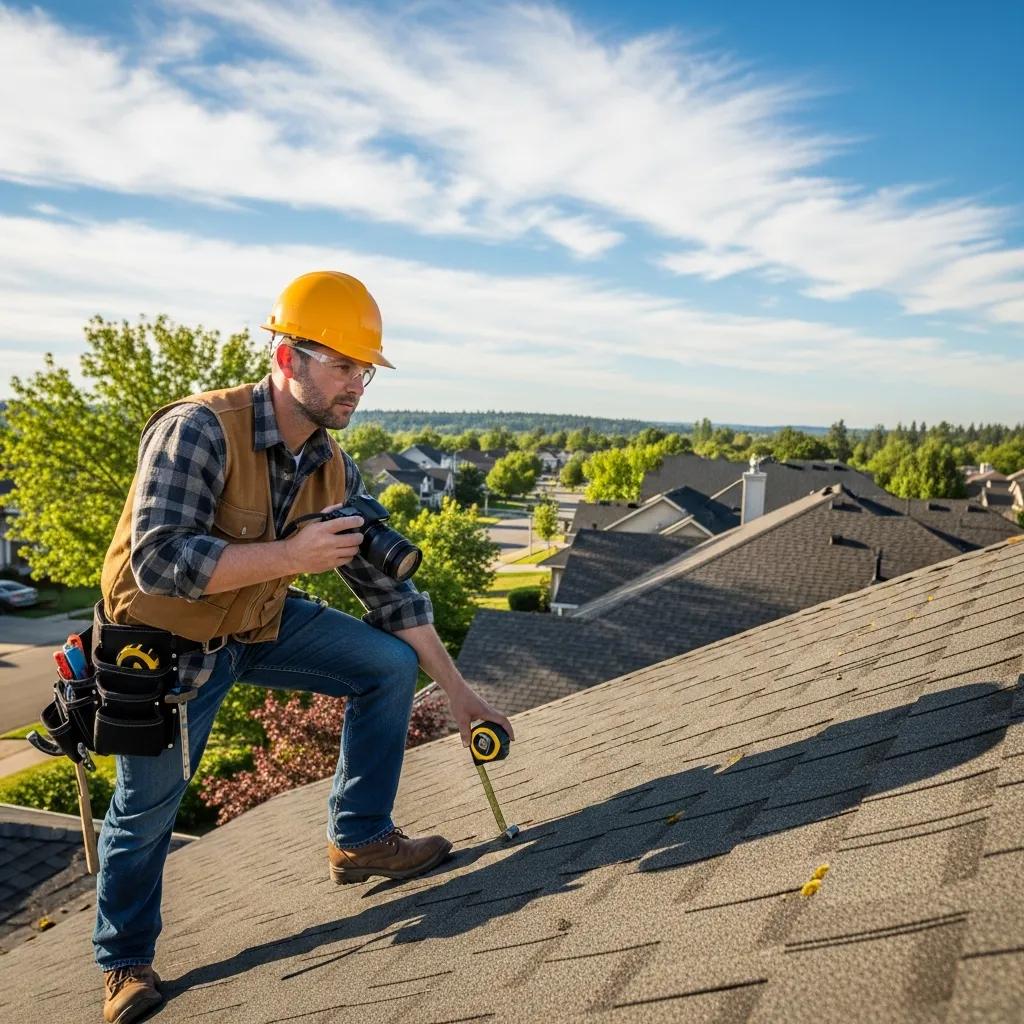
Repairs that affect safety, code compliance, or the home’s long-term condition shouldn’t be DIY. Licensed pros bring training, permits, and warranties that limit liability and reduce the chance of recurring issues. Hiring experienced contractors helps ensure the work passes buyer inspections and supports your asking price.

Licensed professionals also know the paperwork buyers and inspectors expect. Paid invoices, permit sign-offs, and short-term workmanship guarantees make negotiations smoother—buyers are less likely to demand credits or additional repairs when you can show proper documentation.

Repair TypeWhy it mattersEffect on sale value
Roof repairsPrevent leaks, rot, and structural damageHigh
Electrical repairsEnsure safety and meet code requirementsHigh
Plumbing repairsAvoid water damage and restore reliable systemsHigh

Why are professional contractors crucial for roof and structural repairs?

Roof and structural work requires technical expertise, the right materials, and familiarity with local building codes. A licensed contractor can assess the full scope, recommend durable solutions, and provide the documentation buyers and inspectors expect. Attempting these jobs without experience can create hazards, costly follow-up repairs, and inspection red flags that scare off buyers.

Pros have access to industry-grade materials and can tell when a repair is a temporary patch versus a true replacement. They’ll help you weigh short-term cost against long-term value—sometimes a modest investment now prevents much larger structural issues later, which buyers appreciate.

How do expert electricians and plumbers ensure safety and compliance?

Licensed electricians and plumbers perform thorough inspections that uncover hidden problems—faulty wiring, overloaded circuits, or slow leaks—that a quick look might miss. They pull permits when required and do work to code, reducing fire and water risks and reassuring buyers that systems are sound.

These professionals can also recommend upgrades that matter to buyers. Replacing an aging panel, adding AFCI/GFCI protection, or upgrading plumbing fixtures can be selling points you highlight in your listing.

When to hire a contractor before selling: timing and inspection insights

Timing matters. Arrange a pre-listing inspection several weeks before you list so you can prioritize repairs, secure permits, and get competitive bids. Acting early avoids rushed work, gives you time to choose reputable pros, and positions your property as well-maintained—something serious buyers notice.

Plan for three stages: inspection and scope definition, soliciting bids and selecting a contractor, and executing the work with final inspections and documentation. Leaving enough time for each step reduces the risk of costly expedited work or incomplete jobs that might fail a buyer’s inspection.

What does a pre-listing home inspection reveal about necessary repairs?

A pre-listing inspection often uncovers items that influence buyer decisions: roof damage, outdated or unsafe electrical systems, plumbing leaks, and structural concerns. Addressing these ahead of time reduces surprises during buyer inspections and makes your listing more attractive to buyers seeking move-in-ready homes.

Inspectors also flag lower-impact items that are inexpensive to fix but leave a poor impression—such as missing handrails, cracked tiles, or poor drainage. Fixing visible issues improves showings and online photos and signals that the home has been cared for.

How early should you schedule professional repairs for maximum ROI?

To protect your timeline and ROI, start repairs at least 6–8 weeks before listing. That window allows for inspections, permit processing, and quality workmanship. Prioritize high-impact updates—kitchens, bathrooms, and clear safety fixes—to increase buyer interest and potential sale price.

If you expect major work with longer permitting or inspection cycles, begin earlier. For small cosmetic updates or staging improvements, two to four weeks is usually enough. Coordinate schedules so contractors don’t overlap in ways that delay completion.

Cost-effective home improvements for sale: which repairs add the most value?

Targeted, sensible improvements deliver strong returns without overspending. Focus on updates that improve function and curb appeal—buyers notice both.

  • Kitchen refreshes: Small updates—new countertops, modern hardware, or energy-efficient appliances—can modernize the space and attract buyers.
  • Bathroom renovations: Swapping fixtures, resurfacing tubs, or updating tile gives a clear visual payoff for buyers.
  • Curb appeal improvements: Clean landscaping, fresh exterior paint, or a new front door create a strong first impression.

Also consider inexpensive upgrades that boost perceived value: updated lighting, refinished hardwood floors, or energy-saving additions like smart thermostats. These smaller items often cost little but show attention to detail.

Which professional repairs yield the highest return on investment?

Well-executed kitchen and bathroom projects frequently recoup a large portion of their cost, while reliable roof, HVAC, and plumbing repairs protect your sale by removing major buyer objections. Proper permits and quality work are what make these investments pay off.

ROI depends on neighborhood expectations. A modest kitchen update in a mid-range area can offer strong returns, while luxury upgrades in an entry-level market may not. Talk to your agent about matching the scope of work to local buyer demand.

How to balance repair costs with market expectations in Sarasota and Manatee?

Local market knowledge matters. In Sarasota and Manatee counties, buyers often prioritize coastal resilience, strong HVAC performance, and low-maintenance exteriors. Consult a local agent to align repairs with the buyer’s priorities, focus on essential improvements, and avoid overimproving for your neighborhood.

Consider climate-driven needs: corrosion-resistant materials, hurricane-rated doors or shutters where relevant, and good drainage to reduce flood risk. These choices make maintenance easier for the next owner and can be highlighted in your listing to attract buyers seeking durable, low-maintenance homes.

How to vet and hire trusted contractors for pre-listing repairs

Choosing the right contractors helps ensure work is done correctly and on time. Start with local professionals who have verifiable credentials, clear communication, and solid references.

  • Check credentials: Verify licenses, insurance, and any required permits, so you’re protected.
  • Get multiple quotes: Compare scope, timelines, and written estimates—not just the bottom-line price.
  • Ask for references: Speak with past clients about quality, punctuality, and post-job follow-up.

When reviewing bids, ask for a detailed scope of work that lists materials, timelines, cleanup responsibilities, and warranty terms. A clear contract reduces misunderstandings and gives you recourse if work is incomplete or substandard.

What are the key steps in a contractor vetting checklist?

A checklist saves time and reduces risk. Important steps include verifying local experience, reviewing past projects, and interviewing candidates about schedules and warranties.

  • Research local professionals: Look for contractors who regularly work in your community.
  • Review portfolios: Inspect previous work to confirm quality and style.
  • Conduct interviews: Discuss expectations, scheduling, and how they handle unexpected issues.

Good interview questions include how they handle permit pulls, whether they use subcontractors, what the payment schedule is, and how they manage change orders. Reliable contractors are transparent and provide written answers rather than vague estimates.

Why choose local professionals familiar with Sarasota and Manatee markets?

Local contractors understand codes, climate-related concerns, and buyer preferences. Those connections can speed work, improve material sourcing, and help you avoid costly permitting mistakes.

Sarasota and Manatee are markets we know well—local expertise makes a difference when preparing a home for sale.

Local pros often have established relationships with inspectors and suppliers, which can mean faster turnaround and more accurate timelines. They can also recommend materials and finishes that appeal to local buyers and perform well in the regional climate.

What are the most common home repairs that should be left to pros before listing?

Complex systems and safety-related fixes are typically handled by professionals. These are the items most often outsourced before a sale.

  • Roof repairs: Critical for preventing leaks and preserving structure.
  • Electrical repairs: Necessary to protect occupants and meet code.
  • Plumbing repairs: Important for preventing water damage and restoring function.

Other common professional repairs include HVAC servicing, septic or sewer work, and pest remediation when infestation is present. Tackling these areas beforehand reduces buyer objections and shows maintenance diligence.

Roof, electrical, and plumbing repairs: what sellers should know

Sellers should prioritize professional fixes in these areas because they affect safety and buyer confidence. Roof problems, faulty wiring, and persistent plumbing issues are top inspection red flags that can derail a sale or lead to deep price negotiations.

When planning repairs, get written estimates that clearly identify the issue, the proposed solution, and any follow-up inspections or warranties. Clear documentation helps your agent market the work and gives buyers assurance that systems were addressed properly.

Specialized repairs: HVAC, foundation, and mold remediation

Specialized work—HVAC servicing, foundation stabilization, and mold remediation—requires certified specialists. These repairs protect health and structural integrity and often include testing or warranties buyers expect to see.

For example, HVAC work should include filter changes, system testing, and written service reports. Foundation repairs and mold remediation typically come with engineering reports or lab test results; keep these documents on hand for buyers and inspectors.

How do professional repairs impact your home sale price and buyer appeal?

Professional repairs reduce perceived risk and make your listing more attractive. Buyers are willing to pay premiums for homes that are safe, sound, and move-in ready.

  • Enhanced buyer confidence: Professionally documented repairs reassure buyers and inspectors.
  • Fewer negotiation headaches: Fixing major issues upfront limits the leverage buyers may use to reduce the price.
  • Faster sales: Move-in-ready homes typically spend less time on the market.

Providing receipts, permit closings, and warranties with your listing or during showings often shortens due diligence periods and reduces contingencies in offers.

What market data supports investing in professional pre-listing repairs?

Recent trends show buyers prefer homes that need minimal immediate work, which often leads to higher offers and quicker closings. Investing in professional repairs can reduce days on market and protect your sale price.

While neighborhood dynamics vary, a consistent principle holds: buyers discount properties that present unknowns or immediate maintenance costs. Addressing concerns proactively usually produces cleaner negotiations and smoother closings.

How do move-in-ready homes perform better in Sarasota and Manatee counties?

In competitive local markets, move-in-ready homes attract a broader pool of buyers, including those relocating or downsizing. When a house looks well-maintained and its systems are up to date, buyers more easily picture themselves living there and are more likely to make higher offers.

  • Market appeal: Well-maintained homes draw more interest and photograph better.
  • Impact on sale price: Buyers pay more for convenience and reliability.
  • Buyer preferences: Local trends guide which repairs to prioritize for the best payoff.

For sellers in coastal communities, emphasizing durability and low-maintenance materials is especially effective. Highlight completed professional repairs in marketing materials to reassure out-of-area buyers who rely on documentation when they can’t visit often.

What are the risks of DIY repairs before selling your home?

DIY work can save money in the short term but create problems later. Incomplete or improper repairs can fail inspections, create safety hazards, or lower buyer confidence—sometimes costing more than hiring a professional upfront.

  • Financial losses: Poor workmanship can lead to price reductions, repair credits, or failed sales.
  • Safety hazards: Faulty electrical or plumbing work can endanger occupants and buyers.
  • Negative buyer perceptions: Visible DIY fixes often signal deeper issues to inspectors and buyers.

Even seemingly cosmetic DIY work can erode trust. Buyers and inspectors are skilled at spotting amateur work, and once one issue is questioned, it can trigger more intensive scrutiny.

How can amateur repairs lower your home’s market value?

Poor fixes—improper installations, mismatched materials, or visible patches—can prompt buyer distrust and inspection objections. Those concerns often translate to lower offers or longer time on market while you arrange professional repairs.

If a buyer’s inspector flags amateur work that affects safety or longevity, buyers may ask for large credits, require professional rework, or withdraw an offer. That scenario often costs more in time and money than planning professional repairs from the start.

When is it better to leave repairs to licensed professionals?

Any repair involving safety, code compliance, or structural integrity should be handled by licensed professionals. Their work usually includes inspections, permits, and warranties that protect you and reassure buyers.

Examples include electrical panel changes, major plumbing reroutes, roof replacements, foundation repairs, and mold remediation. Cosmetic tasks like painting, minor carpentry, or staging can be handled by a careful homeowner—just document what you do for transparency.

How to prepare for a smooth real estate transaction with professional repairs

A smooth sale starts with a realistic plan: identify critical repairs, hire trustworthy pros, and document the work. That preparation reduces surprises during buyer inspections and streamlines negotiations.

  • Types of repairs to prioritize: Start with safety and system repairs—electrical, plumbing, roof, and HVAC.
  • Benefits of hiring professionals: Skilled contractors deliver quality work, proper permits, and peace of mind.
  • Tips for selecting contractors: Research locally, check references, and compare written quotes before committing.

Keep an organized folder (digital or physical) with inspection reports, estimates, contracts, permits, invoices, and warranties. This packet helps your agent, potential buyers, and closing teams by speeding verification and reducing concerns about hidden issues.

What role do real estate agents play in advising on pre-listing repairs?

Experienced agents tell you which repairs matter in your market, recommend trusted contractors, and help weigh repair costs against likely returns. Their market perspective helps prioritize work that will most likely improve offers.

An agent can also suggest staging and affordable improvements that enhance listing photos and first impressions. They often coordinate timing so that repairs and staging occur in sequence, avoiding rework or scheduling conflicts.

How do completed professional repairs facilitate faster sales?

When repairs are done correctly and documented, listings read as lower-risk purchases. That clarity reduces negotiation friction and often accelerates buyer decisions, shortening your time on market.

Sellers who present completed, permitted repairs often receive cleaner offers with fewer contingencies and expedited inspections. That can translate to a smoother escrow period and fewer last-minute surprises that delay closing.

For details on how we support sellers, visit Morgan Realty Services – Services to see how we can help prepare your home.

If you’re planning a move, our relocation services can simplify the process and ease your transition to a new community.

To meet the team and learn about our approach, visit our About Us page. We’re committed to clear communication and expert guidance.

When buying or selling, partnering with a reliable local agency matters. Visit Morgan Realty Services for comprehensive support through every step of your transaction.

Frequently asked questions

What are the benefits of a pre-listing home inspection?

A pre-listing inspection gives you a clear, objective picture of your home’s condition before you list. It lets you address priority items on your timeline, price the home more accurately, and present buyers with documentation that reduces uncertainty and speeds offers.

The inspection report also helps you and your agent create a prioritized repair plan and realistic timeline. Addressing the most consequential items first preserves negotiating leverage and often results in stronger offers.

How can I determine which repairs will yield the highest ROI?

Talk with local agents and review recent sales to learn what buyers in your area value. Generally, updates that improve function and appearance—such as kitchens, baths, and safety systems—tend to offer the best returns. Use market data to guide your priorities.

Consider both immediate visual impact and long-term system reliability. A small kitchen facelift or a repaired roof often has more market impact than a luxury upgrade that exceeds neighborhood norms.

What should I look for when hiring a contractor?

Verify licenses and insurance, read reviews, ask for references, and get detailed written estimates. Confirm timelines, warranty terms, and who will handle permits to avoid surprises.

A reliable contractor will provide a written contract, a clear payment schedule, and references you can contact. They should also explain how they will protect your property (e.g., dust control, debris removal) and how they will handle unforeseen issues that arise during the work.

How do I prepare my home for a successful sale?

Start with a thorough inspection, fix safety and systems issues, and improve curb appeal. Declutter and stage key rooms, and work with an agent to set a competitive price based on local market conditions.

Plan visible repairs and staging so they complement each other—for example, finish interior painting and flooring before professional photography and open houses. Small staging investments often amplify perceived value.

What are the risks of neglecting professional repairs before selling?

Leaving major repairs undone can lead to lower offers, longer marketing time, or failed negotiations. Safety issues or code violations may scuttle a sale or require costly concessions at closing.

Buyers who uncover unaddressed problems during inspections frequently request credits, demand repairs, or reduce their offer price. These outcomes reduce proceeds and increase the time and stress of selling.

How can I enhance my home’s curb appeal before listing?

Keep landscaping tidy, add fresh mulch or seasonal plants, pressure-wash siding and walkways, and consider a new front door paint color or updated hardware. Small, affordable updates can make a big first impression.

Also, make sure the exterior lighting works, the house numbers are visible, and the gutters are clean. Attention to these details improves listing photos and helps buyers envision themselves in the home at first glance.

Conclusion

Spending wisely on professional pre-listing repairs protects your sale, reduces buyer objections, and can increase your final offer. Prioritize safety and major systems, document the work, and rely on local experts to align repairs with market expectations. If you’d like help preparing your property, explore our services and local market guidance to make your sale smoother and more profitable.

Preparing well—through early inspections, careful contractor selection, and thorough documentation—gives you control of the sale process and often leads to stronger offers and faster closings. When in doubt, consult your agent about the projects most likely to improve your neighborhood’s marketability.

Free Real Estate Guides

Related Articles