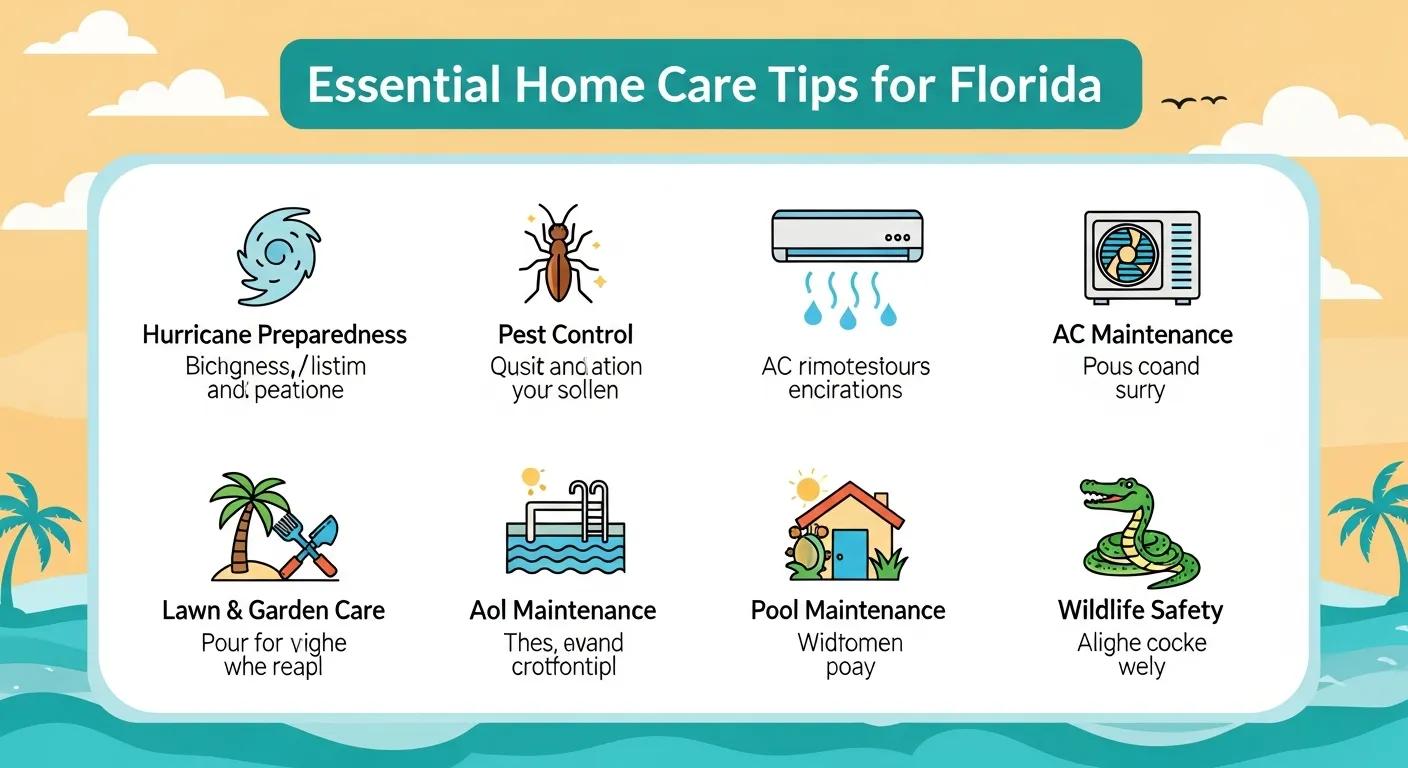
Essential Home Care Tips for Florida
Florida's climate—characterized by high heat, persistent humidity, and a pronounced hurricane season—creates distinct maintenance needs for homeowners that differ from temperate regions. This guide explains practical, season-appropriate maintenance actions Florida homeowners can take to protect their roofs, HVAC systems, plumbing, and structural systems, reduce the risk of mold and pests, and preserve property value. You will learn which tasks to prioritize each season, how to prepare your home and family for hurricane season, the system-level maintenance schedules that prevent costly failures, and effective mold and pest prevention measures tailored to coastal and inland Florida conditions. Each section uses checklists, short how-to steps, and reference tables to help you act quickly and track maintenance over time. Whether you own a single-family house in Sarasota or manage an investment property across the state, the following guidance focuses on reducing risk, lowering operating costs, and maintaining resale appeal through targeted upkeep.
What Are the Key Seasonal Home Maintenance Tasks for Florida Homes?
Seasonal maintenance for Florida homes means planning for spring preparation for summer humidity, heavy summer AC use, and pests; fall pre-storm checks; and minimal but important winter inspections; each season reduces specific risks and protects value. Prioritizing roof and gutter checks before heavy rains, scheduling HVAC service before peak cooling demand, and controlling yard drainage before storm season are high-impact steps that prevent water damage and system failures. The following seasonal checklist organizes tasks by season so homeowners can allocate time and budget effectively, with emphasis on high-impact, recurring items to never skip. Using this seasonal rhythm helps create maintenance records that support insurance claims and buyer confidence.
This quick prioritized checklist lists the highest-impact seasonal tasks and when to do them:
- Spring — AC tune-up and gutter cleaning: Schedule HVAC service and gutter cleaning before summer heat and storms.
- Summer — Monitor HVAC performance and pest prevention: Change filters, inspect condensers, and eliminate standing water weekly.
- Fall — Roof inspection and storm-proofing: Check shingles, flashing, and anchor outdoor furniture before hurricane season.
- Winter — Minor inspections and irrigation checks: Test irrigation and inspect for storm-related wear while humidity drops.
These seasonal steps create a reliable cadence; next, the EAV table below helps compare frequency, impact, and typical costs for prioritization.
The table below helps homeowners prioritize seasonal tasks based on recurrence, impact on property, and expected cost range.
This comparison shows HVAC, roof, and gutter tasks deliver the biggest reduction in risk per dollar spent; scheduling these seasonally lowers repair needs and preserves resale value. Understanding these priorities makes it easier to budget and arrange professional services before problems escalate.
Which Spring Maintenance Steps Prepare Florida Homes for Summer Heat and Humidity?
Spring maintenance prepares Florida homes for sustained summer cooling load and rising humidity by addressing airflow, drainage, and pest vulnerabilities before they amplify. Start with a professional HVAC tune-up and replace or clean filters to restore efficiency. Check condenser clearances and ensure the condensate drain is unobstructed to prevent water backup that can feed mold. Clear gutters and downspouts of winter debris, and confirm that downspout outlets direct water away from the foundation to avoid saturation during summer storms. Finish with a basic pest inspection around entry points and the roof line; sealing small gaps now reduces mosquito and termite pressure in the months ahead.
These spring tasks reduce summer AC runtime and prevent moisture-driven issues later in the year. They naturally lead into summer routines that focus on intensive cooling and pest control.
How to Manage Summer Home Care: AC Maintenance and Pest Control in Florida
Summer care centers on intensive AC use and heightened pest activity; consistent, quick actions keep costs and damage down. Check HVAC filters every 30 days during heavy use, and schedule professional service if you notice uneven cooling, higher bills, or odd noises. Cleaning condenser coils and maintaining proper refrigerant charge restores efficiency.Efficiency.y For pest control, eliminate standing water in containers and low spots, maintain vegetation away from the foundation, and repair torn screens or door sweeps to block insects and rodents. When infestations or structural pest risks (such as termites) arise, arrange a professional inspection promptly rather than relying solely on DIY measures.
These summer maintenance behaviors directly reduce energy consumption, lower the risk of water-driven mold growth, prevent pests from establishing nests that are costly to remove, and naturally transition to take pre-storm precautions for the fall.
How Can Florida Homeowners Prepare Their Homes for Hurricane Season?
Hurricane preparedness combines structural checks, securement of belongings, and an emergency family plan to reduce damage and speed recovery; proactive measures cut insurance hassles and repair costs. Begin weeks before the season by inspecting the roof, trimming overhanging limbs, testing backup power options, and confirming gutters and drainage are clear. Within days of an approaching storm, move loose outdoor items indoors, elevate valuables from low areas, and assemble a hurricane kit with water, medications, documents, and power banks. These actions protect occupants and property and simplify claims documentation after a storm.
- Pre-season (weeks before): Inspectthe roof and gutters, trim trees, and service generators or battery backups.
- Days before: Secure outdoor furniture, reinforce garage doors, and gather emergency kit items.
- Day of evacuation: Follow local orders; turn off utilities if instructed; document property condition.
These structured timelines create a calm, repeatable response plan for homeowners and lead directly to the specific roof and gutter checks that identify storm vulnerabilities.
What Are Essential Roof and Gutter Inspections Before Storms?
A focused roof and gutter inspection identifies loose shingles, damaged flashing, clogged gutters, and penetrating points that wind or water can exploit during storms. Inspect for missing or cracked shingles, lift flashing at vents and chimneys, and look for granule loss that shortens roof life; check attic interiors for daylight gaps and water stains that signal hidden problems. Clear gutters, confirm downspouts direct water at least several feet from the foundation, and trim branches that could fall onto the roof during gusts. If you find missing shingles, exposed flashing, or signs of structural compromise, contact a licensed roofer to document and repair issues before the storm season.
A timely inspection and repair reduces wind and water entry during hurricanes and provides a clear sequence of family-level preparedness steps described in the next section.
How to Create an Effective Hurricane Preparedness Plan for Florida Homes
An effective hurricane plan defines roles, timelines, and supplies for weeks, days, and the immediate storm period so families can act confidently under pressure. Prepare a kit containing at least three days of water, nonperishable food, medications, a flashlight, a radio, and copies of insurance and property records; take photos or video of the property condition for claims. Establish evacuation routes, identify a safe shelter or a relative's location, and program local emergency numbers into your phone; review your insurance policy to confirm coverage for wind and flood, and update as necessary. After a storm, perform safety checks before re-entering, document damage thoroughly, and follow local guidance for cleanup and contractor referrals.
This preparedness framework reduces confusion, protects lives, and positions homeowners to work effectively with insurance and local contractors in recovery, while also connecting to local referral resources if professional help is needed.
What Are the Best Practices for Maintaining Florida Home Systems?
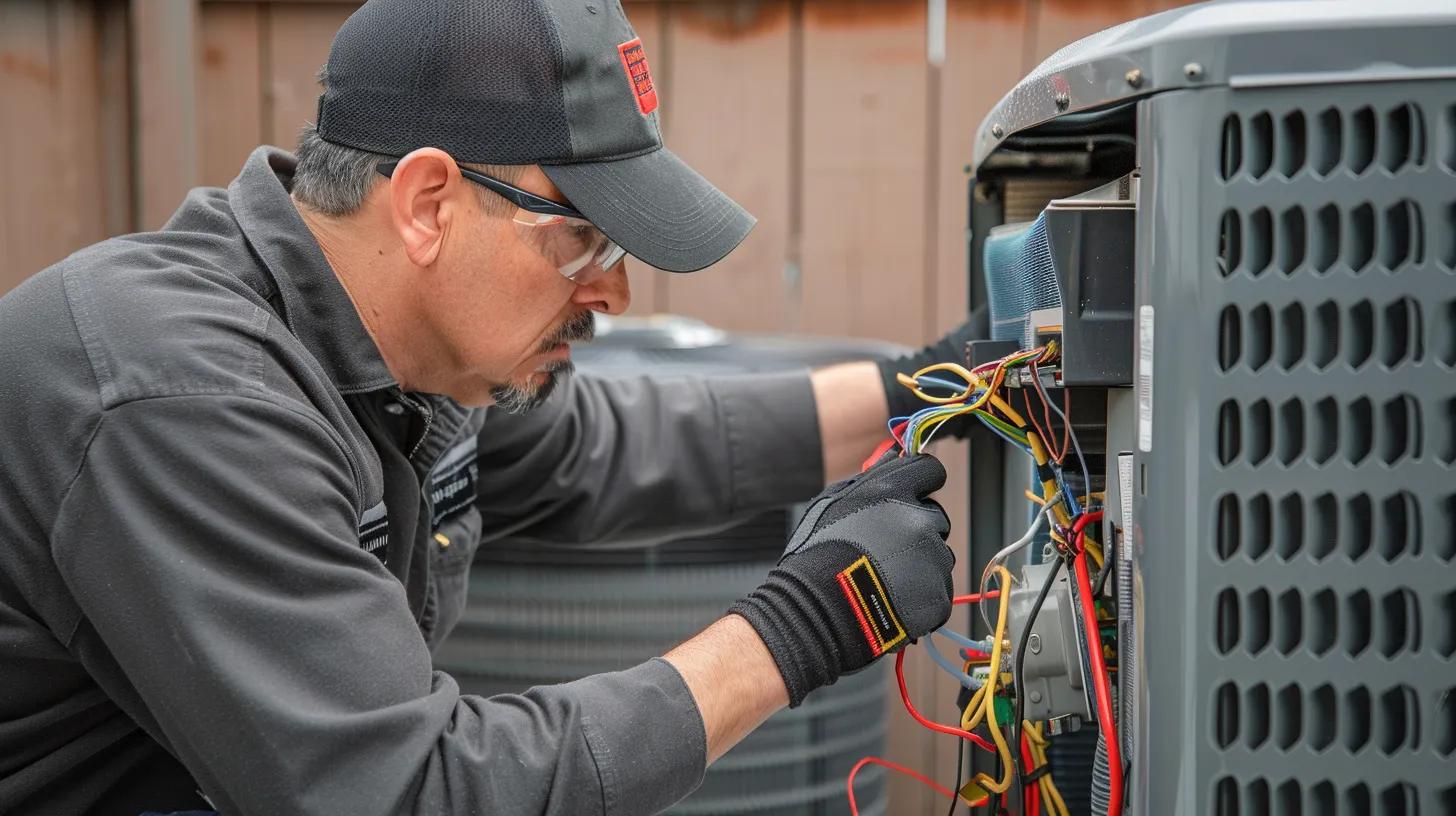
System-level maintenance for HVAC, plumbing, roof, and electrical systems prevents failures that lead to water damage, mold, or unsafe conditions in Florida's climate; regular care extends component life and reduces emergency costs. Set clear service schedules—HVAC biannually, plumbing inspections annually, roof inspections yearly, and GFCI tests quarterly—to catch degradation early. Watch for warning signs such as uneven cooling, persistent dampness, discolored ceiling spots, or flickering circuits; these indicators indicate systems that need intervention. The table below condenses essential system maintenance steps, recommended frequencies, and warning signs to help homeowners prioritize service tasks.
Introductory table: condensed system-specific guidance for practical reference.
This compact system reference helps homeowners plan maintenance visits and recognize issues early, which naturally leadstoo more detail on HVAC and plumbing care.
How Often Should HVAC Systems Be Serviced in Florida Homes?
HVAC systems in Florida require more frequent attention due to prolonged cooling seasons and humid conditions that can stress equipment; regular servicing helps preserve efficiency and indoor air quality. Schedule professional HVAC service at least twice a year—ideally in spring and fall—so technicians can check refrigerant levels, clean coils, test airflow, and inspect condensate lines to prevent moisture buildup that can encourage mold growth. Homeowners should replace or clean filters monthly during heavy use and monitor performance for signs of inefficiency, such as uneven cooling, rising energy bills, or unusual sounds. Proper thermostat settings and ceiling fan use complement maintenance by reducing runtime and extending system life.
These HVAC care steps reduce energy consumption and moisture-related risks and naturally connect to plumbing maintenance, since clogged condensate drains and leaks can create indoor water problems.
What Plumbing Maintenance Prevents Water Damage in Florida’s Climate?
Plumbing maintenance focuses on preventing leaks, clogged drains, and water heater failures that can lead to mold and structural damage in a humid climate. Inspect appliance hoses and supply lines annually, test shut-off valves, and drain or test water heaters to remove sediment and ensure the pressure relief valve works. Monitor for signs of slab leaks or hidden piping issues—persistent dampness, unexplained increases in water bills, or hot spots in flooring—and call a licensed plumber when these appear. Address irrigation system leaks promptly and grade soil away from foundations to reduce hydrostatic pressure that drives water into basements and crawlspaces.
Proactively attending to plumbing reduces the likelihood of leaks that lead to mold and repairs, which is the focus of the next major section on mold and pest prevention.
How Do Florida Homeowners Prevent Mold and Pest Issues?

Preventing mold and pests in Florida requires controlling indoor humidity, eliminating breeding habitats, and sealing physical entry routes; combined measures stop problems before they require costly remediation. Use ventilation and dehumidification to keep indoor humidity below about 50 percent, fix leaks within 24–48 hours to prevent mold colonization, and maintain good drainage around the building to keep foundations dry. For pest control, seal cracks and gaps, maintain vegetation away from the house, and remove standing water to reduce mosquito breeding. The EAV table below maps common issues to prevention steps and triggers to help homeowners decide when to call a pro.
This mapping clarifies which actions homeowners can take quickly and which problems demand professional remediation, and it introduces specific mold-prevention techniques.
What Mold Prevention Techniques Are Effective in Florida’s Humid Environment?
Mold prevention in Florida depends on rapid moisture control and adequate ventilation to disrupt the short 24–48 hour window when spores can colonize damp materials. Deploy dehumidifiers in basements, closets, and crawlspaces, and maintain HVAC condensate lines so they do not overflow; inspect under sinks and around toilets for leaks and dry any water spills immediately. Ensure exhaust fans in bathrooms and kitchens vent outdoors and run long enough to clear humidity after showers or cooking. When mold appears on porous surfaces over a large area, or occupants experience persistent symptoms, engage a remediation professional for safe removal.
These moisture-control habits reduce both mold and pest attraction, leading to yard and exclusion tactics for year-round pest defense.
Which Pest Control Strategies Protect Florida Homes Year-Round?
Year-round pest control combines exclusion, sanitation, landscape management, and targeted professional treatments to keep common Florida pests at bay. Seal entry points with caulk, install door sweeps, and repair damaged screens to prevent insect and rodent ingress; store firewood and debris away from the foundation, and trim shrubs to maintain a 12–18-inch clearance. Eliminate standing water in containers, gutters, and low spots to disrupt mosquito breeding, and schedule annual termite inspections in at-risk areas. When pests persist despite exclusion and sanitation, engage a licensed pest control provider for focused treatments and follow-up monitoring.
Consistent exclusion and landscape practices reduce infestation risk and help protect building materials from damage, thereby preserving energy efficiency and property value.
How Can Florida Homeowners Improve Energy Efficiency and Protect Property Value?

Targeted energy-efficiency improvements lower utility bills in a cooling-dominated climate and can increase resale value if they are documented and aligned with local expectations. Simple, high-impact measures include optimizing thermostat settings with a programmable or smart thermostat, using ceiling fans to raise the comfort temperature setpoint, sealing air leaks around doors and windows, and upgrading to ENERGY STAR-rated appliances when replacement is planned. Maintaining roof integrity, documenting routine system maintenance, and investing in wind mitigation can reduce insurance exposure and boost buyer confidence. The brief table below summarizes the costs and benefits of common upgrades to help homeowners prioritize improvements.
These comparisons highlight upgrades with solid returns and link maintenance to insurance and resale outcomes, leading to practical energy-saving tips.
What Energy Saving Tips Reduce Utility Bills in Florida Homes?
Energy savings in Florida revolve around reducing cooling load and improving system efficiency through operational changes and modest upgrades. Set thermostats higher by a few degrees and use ceiling fans to maintain comfort, which can significantly cut AC energy use; program thermostats to reduce runtime when the house is unoccupied. Keep condenser units clear of debris, maintain ductwork seals, and replace filters regularly to preserve efficiency; improving attic insulation and sealing gaps in the building envelope reduces heat transfer. For larger projects, consider high-efficiency AC replacements and ENERGY STAR appliances, balancing upfront costs against ongoing savings.
These practices lower operating costs and maintain occupant comfort, and the record of maintenance and efficiency upgrades contributes to stronger resale positioning and insurance discussions described next.
How Does Regular Maintenance Impact Home Insurance and Property Value in Florida?
Regular maintenance improves insurability and resale value by reducing claim risk, documenting upkeep, and demonstrating proactive mitigation of common Florida hazards. Insurers scrutinize roof condition and deferred maintenance when underwriting or renewing policies; documented inspections and timely repairs reduce the likelihood of claim denial or surcharge. For buyers, a property with a maintenance history, receipts, and recent system servicing signals lower expenses and increases confidence during negotiations. Keep a simple maintenance log with dates, service provider names, and photographic records to support insurance claims and to showcase care to prospective buyers.
Maintaining and documenting these systems protects value and simplifies transitions, and for homeowners needing hands-on help or trusted referrals, local resources can assist.
For homeowners seeking local referrals, contractor recommendations, or assistance with DIY planning and resale readiness, Morgando Realty Services in Sarasota, Florida, offers a homeowner resources approach and a Do It Yourself Assistance option to connect owners with local specialists and practical next steps. This local support can be a useful complement to a homeowner's maintenance plan when professional referrals or sales-ready preparation are needed.
- Document maintenance: Keep receipts and photos for insurance and resale.
- Use local referrals: A local real estate services firm can advise on contractors and buyer expectations.
- Prioritize high-impact repairs: Address roof, HVAC, and drainage first for best value protection.
These steps integrate maintenance with long-term value strategies while keeping homeowners in control of their decisions. Frequently Asked Questions.
What should I include in my hurricane preparedness for Florida?
Your hurricane preparedness should include essential items to ensure safety and comfort during a storm. Include at least three days' worth of water (one gallon per person per day), a nonperishable flashlight, batteries, a battery-operated radio, and copies of important documents like insurance policies and identification. Additionally, consider adding a first aid kit, cash, and a multi-tool. Having these supplies ready can significantly reduce stress and improve safety during hurricane events.
How can I identify signs of mold in my home?
Signs of mold in your home can include visible growth on walls, ceilings, or other surfaces, often appearing as black, green, or white patches. You may also notice a musty odor, a common indicator of mold. Other signs include water stains on walls or ceilings, persistent dampness, or health symptoms like respiratory issues or allergic reactions among occupants. If you suspect mold, it's crucial to address leaks promptly and consider professional testing and remediation as necessary.
What are the best landscaping practices to prolong a roof’s lifespan?
To prevent pests in Florida, maintain a well-kept landscape by trimming shrubs and trees to create a clearance of 12-18 inches from your home. This reduces hiding spots for pests. Remove standing water from low areas to eliminate mosquito breeding sites. Additionally, store firewood away from the foundation and keep vegetation well-maintained. Regularly inspect your yard for signs of pest activity and consider using natural repellents or barriers to deter unwanted insects.
How can lowering improve indoor air quality in my Florida home?
Improving indoor air quality in Florida involves several strategies. Start by ensuring proper ventilation throughout your home, using exhaust fans in kitchens and bathrooms to reduce humidity. Regularly change HVAC filters to maintain the filter and reduce allergens. Consider using air purifiers with HEPA filters to capture dust, pollen, and other pollutants. Additionally, keep humidity below 50% to prevent mold growth, and avoid harsh chemicals for cleaning; opt for natural alternatives instead.
What are the signs that my HVAC system needs servicing?
Signs that your HVAC system may need servicing include uneven cooling or heating throughout your home, unusual noises such as banging or hissing, and a noticeable increase in energy bills. Additionally, if you experience poor airflow or if the system frequently cycles on and off, these can indicate underlying issues. Regular maintenance, including filter changes and professional inspections, can help prevent these problems and ensure your system operates efficiently.
How often should I inspect my roof in Florida?
In Florida, it is recommended to inspect your roof at least once a year, ideally before the hurricane season. Additionally, conduct inspections after severe weather events, such as heavy storms or hurricanes, to check for damage. Look for missing or cracked shingles, damaged flashing, and signs of attic leaks. Regular inspections help identify potential issues early, enabling timely repairs that can prevent costly damage and extend your roof's lifespan.
What steps can I take to reduce energy consumption in my Florida home?
To reduce energy consumption in your Florida home, start by setting your thermostat a few degrees higher and using ceiling fans to keep your home comfortable. Regularly check and replace HVAC filters to ensure efficient airflow. Seal any gaps around doors and windows to prevent air leaks, and consider upgrading to ENERGY STAR-rated appliances. Additionally, improve insulation in your attic and walls to reduce heat transfer, thereby significantly lowering your cooling costs during the hot months.
Conclusion
Implementing essential home care tips tailored for Florida's unique climate can significantly enhance your property's longevity and value. By prioritizing seasonal maintenance, homeowners can effectively mitigate the risks posed by humidity, storms, and pests, ensuring a safe and comfortable living environment. Taking proactive steps not only preserves your investment but also simplifies insurance processes and boosts buyer confidence. For personalized assistance and local referrals, connect with Morgando Realty Services today.

Gina Morgando is a licensed Broker & Realtor serving Sarasota, Manatee, and Palm Beach Counties. With over 10 years of experience, she helps buyers, sellers, and investors make confident real estate decisions across Florida.