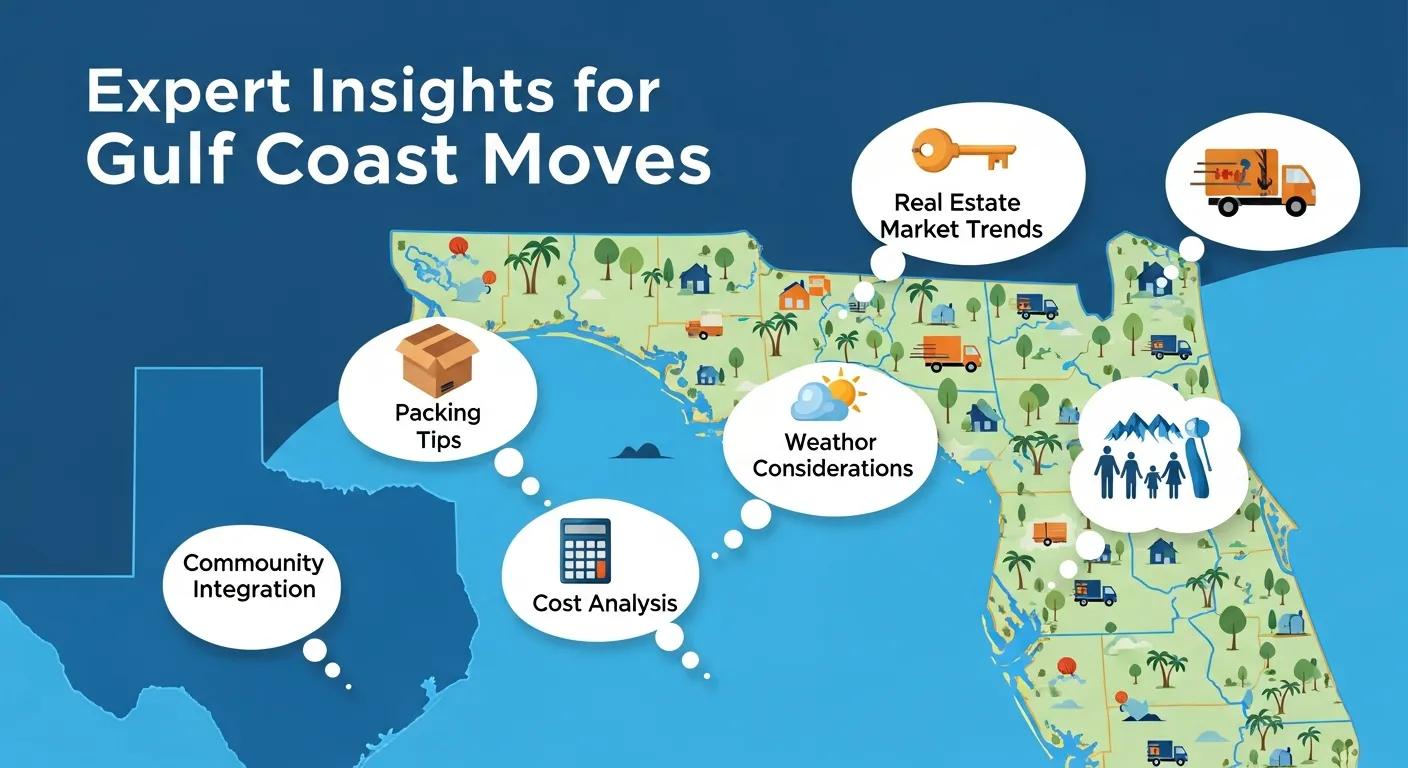
Expert Insights for Gulf Coast Moves
Moving to Sarasota means choosing a Gulf Coast city known for its beaches, arts scene, and an outdoors-first lifestyle. This guide walks you through what relocation to Sarasota looks like, who it's best for, and how to plan a smooth move that saves time and avoids common surprises. You'll learn why people are relocating here now, how to pick the neighborhood that fits your life, what to expect for housing and living costs, how the local market behaves, which schools and colleges serve families, and a practical moving checklist with local resources. We pair clear, current insights with vendor-coordination tips so you can decide whether to do it yourself or rely on local help — and where Morgando Realty Services can step in to make the process easier.
Why Move to Sarasota, Florida? Discover the Gulf Coast Lifestyle
Sarasota delivers a coastal lifestyle built around mild winters, quick beach access, and a lively cultural calendar — qualities that attract retirees, families, and remote workers alike. The mix of outdoor recreation and established arts institutions supports active, social living year-round. Practical advantages — nearby barrier islands, easy access to museums and theaters, and Florida's lack of state income tax — also factor into relocation decisions for people coming from colder or higher-tax areas. Knowing these lifestyle drivers helps you prioritize beachfront access versus urban convenience and match neighborhood features to your daily needs.
Sarasota's key attractions and benefits:
- Mild winters and plenty of outdoor recreation support year-round activity.
- World-class beaches and barrier-island access that shape daily leisure choices.
- A vibrant arts and cultural scene with museums, performance venues, and seasonal festivals.
- Tax advantages and regional amenities that appeal to retirees and remote professionals seeking a coastal base.
Those qualities help explain recent migration patterns and why Sarasota remains a top relocation choice.
What Makes Sarasota a Top Relocation Destination in the Current Year?
Sarasota continues to rank highly because many movers favor coastal Florida for lifestyle and tax reasons. Recent migration trends show steady inflows from colder, higher-tax states. That demand has pushed interest toward waterfront properties and suburban, master-planned communities where buyers prioritize outdoor access and lower perceived climate friction compared with other coastal markets. For prospective movers, you can expect competitive showings and plan strategically for timing and financing. Understanding these market pressures will set realistic expectations about inventory, bidding, and when to bring in local expertise.
How Does Sarasota’s Climate and Culture Enhance Quality of Life?
Sarasota's climate — mild winters, hot, humid summers, and a defined hurricane season — supports outdoor activities like beach sports, boating, and year-round walking or cycling, which encourage healthy daily routines. The city's cultural offerings — galleries, museums, and live performance venues — keep the calendar full and welcoming. For families and retirees, nearby healthcare and community programming add long-term livability. These climate and cultural factors shape neighborhood choices and lifestyle planning, especially when balancing beachfront living against quieter inland neighborhoods.
Exploring Sarasota Neighborhoods: Where Should You Live?
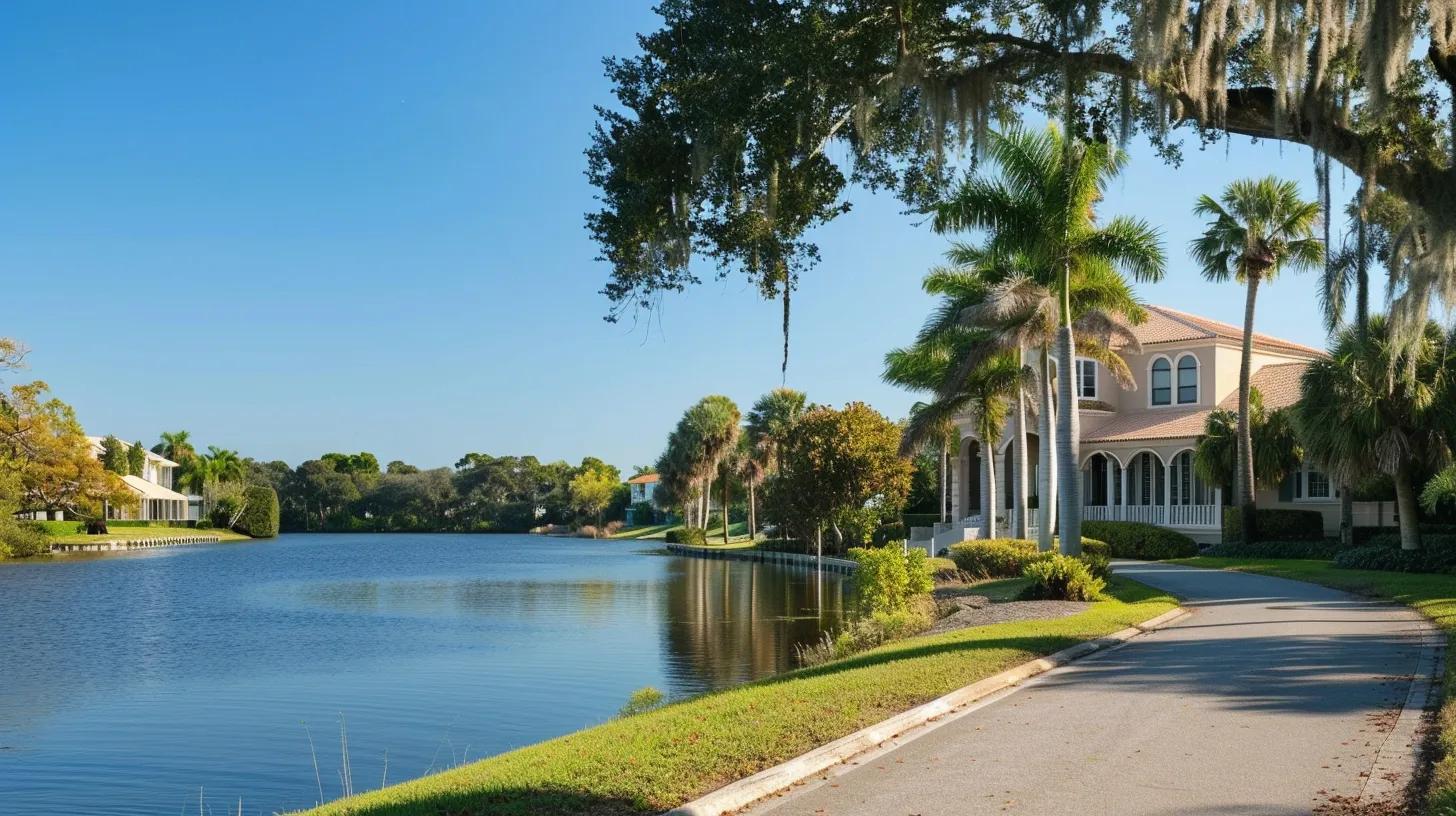
Where you live in Sarasota depends on lifestyle, budget, and proximity to work or schools. Neighborhoods trade off beachfront access, suburban amenities, and urban walkability. Below, we profile several popular areas so you can match your priorities to neighborhood characteristics, and then use the micro-comparison table for a quick overview. Comparing average price ranges, amenities, and typical resident profiles helps narrow options before you schedule viewings or speak with a local advisor.
Introductory neighborhood comparison table:
This snapshot shows how each area fits different mover profiles, helping you pick a short list for visits.
What Are the Unique Features of Siesta Key and Gulf Coast Beaches?
Siesta Key is known for its powdery sand, strong seasonal tourism, and a mix of condos and single-family homes for buyers wanting immediate beach access. Beachfront living offers lifestyle perks but also seasonal parking challenges, rental-demand considerations for part-time owners, and HOA rules to review. Island buyers should factor in maintenance needs, insurance costs, and traffic spikes during peak season. Weighing these beach-specific trade-offs will help you decide whether proximity to sand matters more than quieter inland alternatives.
How Do Lakewood Ranch and Downtown Sarasota Compare for Residents?
Lakewood Ranch delivers a master-planned, family-oriented environment with new construction, parks, and schools that appeal to households seeking space and predictability. Downtown Sarasota, by contrast, prioritizes walkability, cultural access, and a denser housing mix — condos and historic homes — for people who value nightlife and short commutes. Price differences reflect those choices: new single-family homes in master-planned areas versus condominium premiums in urban cores. Your decision usually comes down to yard space and community amenities versus proximity to arts and dining.
Additional Neighborhoods to Consider in Sarasota Relocation
Beyond the popular areas, neighborhoods like Southside Village and Gulf Gate offer affordable housing options with convenient access to downtown and beaches. Southside Village is known for its eclectic mix of bungalows and mid-century homes, attracting young professionals and artists. Gulf Gate provides a suburban feel with shopping centers and parks, appealing to families and retirees alike. For those seeking luxury, Bird Key and Longboat Key offer exclusive waterfront estates with private docks and upscale amenities, ideal for boating enthusiasts and those desiring privacy.
Understanding the Cost of Living in Sarasota, FL: What to Expect

Moving to Sarasota means budgeting for housing, insurance (notably hurricane exposure), utilities, transportation, and local taxes — each affects affordability and monthly cash flow, especially during your first year. This section outlines typical cost drivers and includes a comparison table to help you forecast monthly and annual expectations without exact numbers. Knowing which costs vary by neighborhood helps build a flexible budget and prepares you for upfront items like deposits, insurance, and moving fees.
Cost comparison table: housing, insurance, utilities, transportation
You can use this table to prioritize which cost areas need closer attention when planning your move and choosing neighborhoods.
How Do Housing Prices and Home Insurance Affect Your Budget?
Home prices vary widely by neighborhood and property type: waterfront and island homes command premiums, while inland and suburban areas are more affordable. Home insurance is a significant expense in coastal Florida, so include premiums and wind/flood endorsements when modeling monthly housing costs. Renters should also consider renters' insurance and seasonal spikes in utility bills. Reviewing these variables before making offers helps avoid surprises and guides decisions about mortgage size, escrow planning, and emergency savings.
What Are the Typical Utilities, Taxes, and Transportation Costs?
Monthly utilities reflect seasonal cooling needs, property taxes and local assessments vary by parcel and district, and Florida's lack of a state income tax remains a financial advantage for many. Transportation is generally car-centric, with public transit available but less comprehensive than larger metros, making parking and commute times essential lifestyle factors. Prospective movers should budget for vehicle costs or seek walkable neighborhoods to reduce driving. Looking at utilities, taxes, and transportation together gives a clearer picture of ongoing monthly obligations.
The Sarasota Job Market: Opportunities and Economic Outlook
For those moving to Sarasota, understanding the local job market is crucial. Sarasota's economy is diverse, with strong sectors in healthcare, education, tourism, and professional services. The city hosts major employers such as Sarasota Memorial Health Care System, PGT Innovations, and the Sarasota County School District. The healthcare sector alone accounts for a significant portion of jobs, reflecting the area's appeal to retirees and families alike.
Additionally, Sarasota has seen growth in remote work opportunities, with many companies embracing flexible arrangements. The city supports entrepreneurs and small businesses through initiatives like the Sarasota Innovation District, fostering a vibrant startup ecosystem. Job seekers can find opportunities in hospitality, retail, education, and technology, making Sarasota relocation attractive for a range of professionals.
According to the U.S. Bureau of Labor Statistics, Sarasota's unemployment rate has remained below the national average, indicating a stable employment environment. Prospective movers should research specific industries and consider networking with local chambers of commerce or job placement services to maximize their relocation success.
Sarasota Schools and Education: What Families Need to Know
Families should factor in public school zones, private school options, and nearby higher education institutions when selecting a neighborhood — schools affect daily routines and long-term housing value. This section summarizes top-rated school types and notable options to guide enrollment planning and commute decisions. Looking at curriculum strengths, extracurriculars, and practical items like bus routes and district boundaries helps parents find the right fit.
Top-rated schools and options include:
- Public schools with strong STEM, arts, and advanced coursework often drive neighborhood demand.
- Private schools offering specialized curricula and smaller class sizes for families seeking alternatives.
- Charter and magnet programs that offer focused academic tracks without requiring students to move outside district zones.
These educational choices naturally lead to nearby colleges and continuing-education options for adult learners and students preparing for college.
Which Public and Private Schools Are Top-Rated in Sarasota County?
Top-rated public schools in Sarasota County are recognized for advanced coursework, robust extracurriculars, and student support services — attributes that attract families to particular neighborhoods. Private schools in the area span religious, college-preparatory, and arts-focused models for families seeking different approaches. Review performance reports, visit campuses, and speak with administrators to assess fit. Balancing program strengths with commute logistics helps ensure an educational choice aligned with daily life and long-term goals.
Notable public schools include Roosevelt Elementary, Terry Parker Middle School, and Sarasota High School, all known for strong academic programs. Private options like Sarasota Preparatory School and Braden River Christian School offer alternative curricula and smaller class sizes.
What Higher Education Options Are Available Near Sarasota?
Higher-education options near Sarasota include community colleges, regional university campuses, and vocational providers offering degrees, certifications, and continuing-education courses within commuting distance. These schools support local workforce needs and provide accessible paths for adult learners. For families, proximity to higher education expands options for dual enrollment, summer programs, and internships that strengthen academic planning. Understanding the local higher-education landscape helps households anticipate future needs and community connections.
Institutions such as the State College of Florida, Manatee-Sarasota, and the nearby University of South Florida Sarasota-Manatee offer a range of programs from associate degrees to bachelor's and graduate degrees. Vocational training centers also offer certifications in healthcare, technology, and trades, supporting the region's economic diversity.
Planning Your Move: Essential Relocation Checklist and Local Resources
A clear relocation checklist reduces stress and keeps essential tasks on schedule. The timeline below runs from 60+ days out to arrival week and includes steps specific to Florida's coastal context. After the checklist, we list key local vendors — movers, utility providers, and healthcare resources — so you can pair planning with vetted contacts and settle in faster.
Moving checklist—timeline and key tasks:
- 60+ Days: Research neighborhoods, set your budget, and start mortgage pre-approval or rental applications.
- 30 Days: Book movers, arrange school enrollments, and confirm healthcare providers and prescriptions.
- 7 Days: Pack essentials, transfer utilities, and prepare documents for closing or lease start.
- Moving Day and Arrival Week: Oversee movers, complete address changes, and register vehicles or local services as needed.
This timeline keeps your move on track and helps avoid last-minute problems, especially when coordinating from out of state.
What Are the Key Steps for a Smooth Sarasota Relocation?
Key steps include setting a realistic timeline, securing housing logistics early, arranging movers and pet transport if needed, and preparing for seasonal concerns, such as hurricane readiness. Consolidate important documents — IDs, school records, medical history — and confirm utility setups before arrival. Using local professionals for inspections and moving coordination reduces risk and speeds your transition. Following these steps gives you a straightforward path from decision to settled home.
Which Local Services Should You Connect with Before Moving?
Before you arrive, you can contact experienced long-distance movers, licensed home inspectors familiar with coastal issues, insurance agents who understand wind and flood coverage, utility providers for setup, and healthcare offices to ensure continuity of care. Morgando Realty Services can make vetted introductions and coordinate logistics for buyers who want a managed relocation experience, connecting you with inspectors, movers, and utility contacts. Lining up these services in advance ensures immediate access to essentials during your first month.
Essential vendors to contact before moving:
- Licensed movers experienced in long-distance and fragile-item transport.
- Local home inspectors are familiar with coastal property concerns.
- Insurance agents who advise on wind and flood protection.
- Utility providers and municipal offices to activate services.
Coordinating these contacts early reduces stress and ensures practical continuity for families and individuals relocating to Sarasota. The last step is confirming moving appointments and keeping key documents handy on moving day.
Frequently Asked Questions
What is the best time of year to move to Sarasota?
Fall and winter — roughly October through April — are the most comfortable months to move. Temperatures are milder, and the housing market is often less frenetic, which can improve negotiating position. If you prefer summer activities, late spring is an option, but be prepared for higher heat and humidity.
Are there any specific moving regulations in Sarasota?
Sarasota enforces rules around moving trucks and street parking, particularly in residential neighborhoods. Check city ordinances for parking permits and size restrictions. If you're moving into an HOA community, review any HOA-specific moving rules or time windows. Contact the city office or your HOA in advance to avoid surprises.
What are the best resources for finding local movers in Sarasota?
Start with review sites like Yelp and Google, and ask friends or local real estate agents for recommendations. Request quotes from multiple companies, verify licensing and insurance, and read recent customer reviews to confirm reliability before booking.
How can I prepare my children for the move to Sarasota?
Talk openly about the move and involve children in planning — packing special items and choosing their new room helps build excitement. Research schools and local activities in advance, and plan visits or playdates after you arrive to help them make new friends quickly.
What outdoor activities are available in Sarasota for families?
Sarasota offers family-friendly beaches like Siesta Key and Lido Beach, as well as parks such as Myakka River State Park for hiking, biking, and wildlife viewing. Boating, fishing, and community festivals are common, giving families plenty of options for active outdoor time.
What should I know about hurricane preparedness when moving to Sarasota?
Hurricane preparedness is essential. Learn local emergency plans and evacuation routes, assemble a kit with water, nonperishable food, medications, and important documents, and consider wind and flood insurance since standard homeowners policies may not cover hurricane damage. Hurricane season runs from June through November — stay informed and plan accordingly.
Conclusion
Moving to Sarasota offers a blend of coastal living, cultural richness, and tax advantages that suit many lifestyles. Understanding the local market, schools, job opportunities, and community resources helps you make confident decisions. When you work with Morgando Realty Services, you get local expertise and practical support to simplify your Sarasota relocation. Start your search and connect with our team to make your Gulf Coast move smoother and faster.

Gina Morgando is a licensed Broker & Realtor serving Sarasota, Manatee, and Palm Beach Counties. With over 10 years of experience, she helps buyers, sellers, and investors make confident real estate decisions across Florida.