

Understanding Earnest Money Deposits
Earnest money is a deposit a buyer offers when making a purchase offer, serving as a formal good-faith deposit that signals commitment to the transaction. This deposit reduces uncertainty for the seller by demonstrating the buyer's financial intent and creates contractual leverage that can be applied toward closing or returned, depending on contingencies. Readers will learn what earnest money means, how the deposit moves through escrow, when it is refundable or forfeited, and how it differs from a down payment. The article also maps the practical steps from offer to closing, common contingencies that protect deposits, and negotiation tactics for buyers and sellers. Expect clear definitions, process checklists, comparison tables, and localized guidance for Florida and Sarasota markets, including recommended actions to preserve refundability and strengthen offers using earnest money and related signals.
What is Earnest Money and Why is it Important?
Earnest money is a good-faith deposit made by a buyer to demonstrate their seriousness about buying a property, and it serves as a financial commitment the seller can rely on while the contract is in effect. The mechanism behind earnest money is straightforward: the funds are typically held by a neutral third party (an escrow agent or title company) while contingencies are resolved, which reduces the seller's risk of a buyer withdrawing without consequence. The main benefit is mutual protection—buyers show intent, and sellers get reassurance that the transaction is less likely to collapse without financial consequence. Understanding earnest money helps buyers craft competitive offers and helps sellers distinguish between similar bids, especially in markets with multiple offers.
Earnest money also interacts directly with contract terms, influencing timelines and remedies for breach, and it can be structured to protect both parties through contingency clauses. Because market norms vary, the amount and handling practices differ by location and property type; local real estate professionals can clarify typical ranges and contractual language. For buyers uncertain about ideal deposit levels or contingency wording, local agents can explain how earnest money fits into offer strategy and why amounts vary by neighborhood and market competitiveness. Knowing these basics lays the groundwork for practical next steps: how earnest money is submitted, who holds it, and what happens from offer to closing.
How Does Earnest Money Demonstrate Buyer’s Good Faith?
A buyer's earnest money demonstrates good faith by converting a verbal or written promise into a tangible financial stake, which signals to the seller that the buyer is unlikely to walk away without cause. The behavioral incentive created by this deposit is powerful: larger deposits typically increase perceived commitment, especially when multiple offers compete for the same property. For example, in a bidding scenario, a buyer who offers a higher earnest deposit alongside a strong pre-approval letter often gains priority in the seller's evaluation. This dynamic matters because sellers weigh both financial strength and reliability when selecting among offers, and earnest money is a clear, contractually-bound expression of reliability.
Sellers frequently use earnest money as a screening tool to reduce the pool of speculative offers and to ensure that accepted contracts proceed through contingency periods. For buyers, the key is balancing deposit size against liquidity: a meaningful but not excessive earnest deposit preserves negotiating power while signaling seriousness. As market competitiveness shifts, so does the optimal deposit strategy, which naturally leads to the logistics of how earnest money is processed and protected during the transaction.
How Does the Earnest Money Process Work in Real Estate?
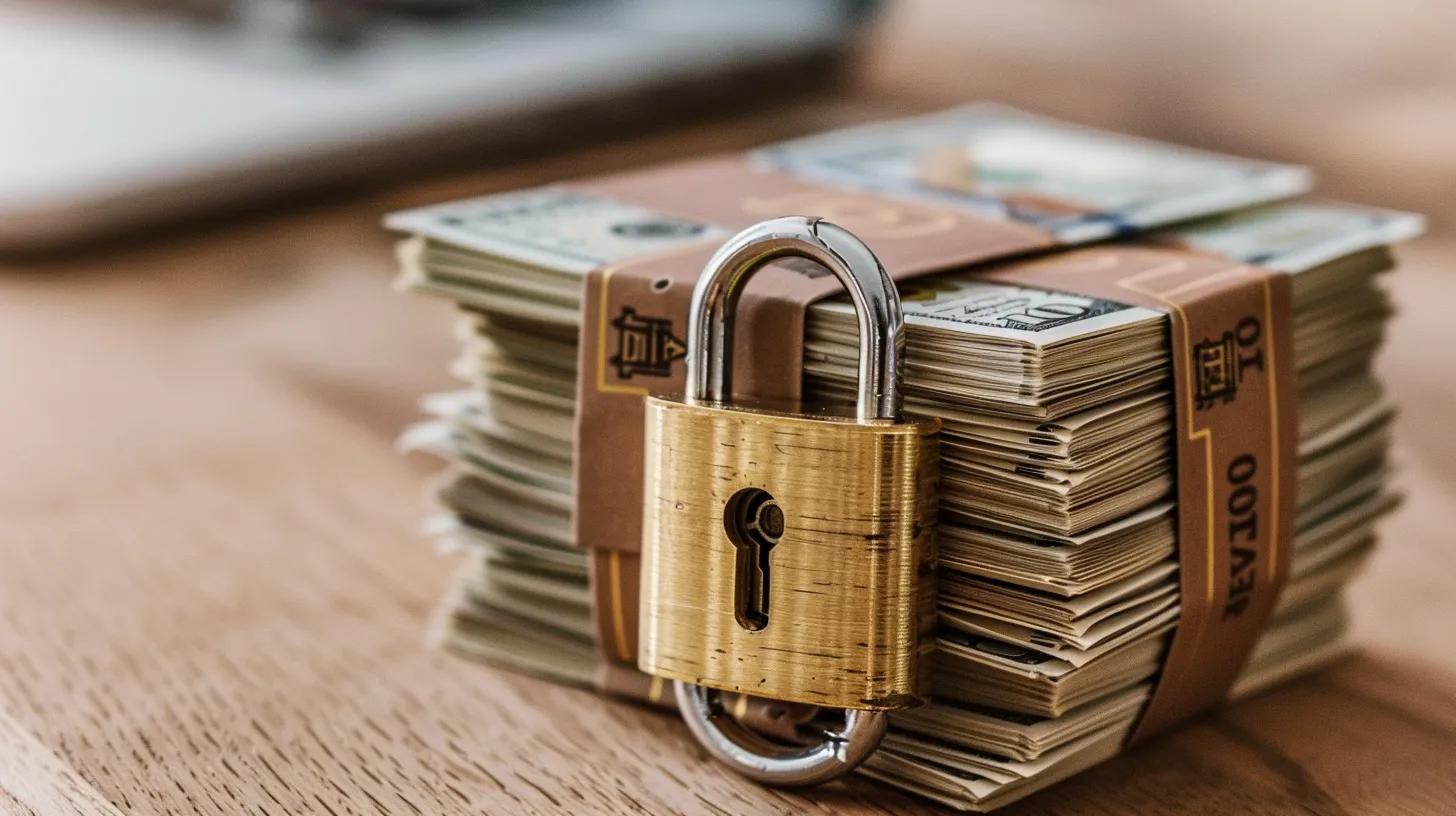
Earnest money is submitted with the purchase offer, typically via certified check, wire transfer, or escrow deposit, and an agreed neutral party holds it until closing or resolution of disputes. The process works by creating a record of the deposit under the purchase agreement, setting contingency deadlines during which the buyer can cancel and receive a refund, and outlining the conditions for applying or retaining the funds at closing. This structured flow reduces ambiguity: the escrow holder safeguards funds, contingency language defines refund triggers, and the closing agent applies funds in accordance with contract terms. Clear documentation at each step preserves rights and reduces disputes.
Below is a concise, step-by-step process that most transactions follow from offer to closing. These steps describe who acts, when the action occurs, and why each step is essential to preserving the earnest deposit.
- Buyer submits an offer with earnest money; buyer provides the deposit per the contract's instructions to show good faith.
- Escrow holder receives and records funds; escrow agent issues a receipt and safeguards the funds in a neutral account.
- Contingency periods begin: inspection, financing, and appraisal deadlines define refundable windows.
- Contingency resolution or removal: the buyer either removes the contingencies or cancels within the protected period.
- Closing and application of funds: earnest money is applied to the down payment or closing costs, or returned per the contract.
This numbered outline clarifies responsibilities and typical timing, and it leads into a closer look at the escrow account's role and the detailed sequence from offer through closing.
What Role Does the Escrow Account Play in Holding Earnest Money?
An escrow account serves as a neutral repository that holds earnest money securely. At the same time, contract contingencies are resolved, protecting both the buyer and the seller from unilateral access to the funds. Escrow agents—often title companies, escrow companies, or attorneys, depending on jurisdiction—maintain records, provide receipts, and disburse funds only according to the purchase agreement or mutual written instruction. This neutral stewardship reduces conflicts by ensuring no party has unilateral control; the escrow holder follows the contract language to determine refundability or application. Best practices include confirming the escrow holder's identity in writing, obtaining a receipt for the deposit, and verifying the escrow account's handling procedures early in the process.
Because escrow handling practices vary by state and provider, buyers should confirm who will hold the funds before wiring or delivering a deposit, and insist on written confirmation of the account and receipt. Clear documentation protects buyers against later claims of nonpayment and assures sellers that funds are verifiable. Understanding escrow mechanics prepares participants to manage contingency notices, dispute resolution, and the final application of funds at closing.
What Are the Typical Steps from Offer to Closing Involving Earnest Money?
The sequence from offer to closing organizes transactional events that determine whether earnest money is applied at closing or returned, and it includes critical deadlines to protect the deposit. Typical steps are: offer submission with deposit, inspection and contingency periods, lender underwriting and appraisal, contingency removal or termination, final walkthrough, and closing, where funds transfer and earnest money application occur. Each step includes timelines—inspection periods often range 7–14 days, financing contingencies align with lender underwriting, and appraisal windows depend on contract terms—which buyers and sellers must track carefully. Clear communication and timely notices within these windows are essential to preserve refund rights.
To further clarify responsibilities, the following table outlines the offer-to-closing steps, who acts, when the action occurs, and a practical tip for each stage.
What Are the Key Differences Between Earnest Money and Down Payment?
Earnest money and the down payment are both deposits related to a home purchase, but they serve distinct purposes, have different timing, and play various roles in closing. Earnest money is a good-faith deposit submitted with the offer to secure the contract and signal commitment, while the down payment is a portion of the purchase price paid at closing to reduce the loan principal. Timing differs: earnest money is paid early in the process, often before inspections and mortgage approval; down payment is remitted at closing when funds are applied to the purchase price. Refundability also differs: earnest money may be refundable under specified contingencies, whereas a down payment is typically non-refundable because it becomes part of the buyer's equity in the property.
Below is a comparative EAV-style table that highlights purpose, timing, typical amount, refundability, and application at closing for both deposit types.
How Do Timing, Purpose, and Amount Differ Between Earnest Money and Down Payment?
Timing separates the two deposits: earnest money is an early commitment paid with the offer, whereas the down payment is paid at closing to establish the buyer's equity. Purpose differs as well—earnest money secures the contract and mitigates seller risk during contingencies, while the down payment reduces the mortgage amount and demonstrates the buyer's long-term investment. Typical amounts also vary: earnest deposits often range from a few hundred dollars to several percent of the purchase price, depending on the market, whereas down payments commonly follow lender requirements of 3–20% or more. These distinctions shape accounting treatment and refundability within the purchase process.
Because earnest money precedes lender processes, it sometimes remains separate until applied at closing; contract language determines whether the earnest deposit is automatically credited toward the down payment or simply offsets closing costs. Buyers should review contract clauses carefully and confirm with their agent or closing attorney how the earnest funds will be applied to avoid surprises. A short example illustrates this: in a $400,000 sale with a a $4,000 earnest deposit, the funds can be credited toward the buyer's required down payment or toward closing costs, as specified in the purchase agreement.
Why Is Earnest Money Not Always Applied Toward the Down Payment?
Earnest money is not always applied toward the down payment because contract terms or practical considerations can direct funds differently, and because forfeiture rules may require the seller to retain funds under breach scenarios. Some purchase agreements treat earnest money as liquidated damages if the buyer breaches, meaning the seller maintains the deposit rather than applying it to the down payment. Other contracts explicitly credit earnest money to the buyer's closing costs or down payment; the contract language dictates the outcome. Practical factors, such as pending disputes, unresolved contingencies, or title issues, can delay or redirect the application until they are resolved.
Buyers can protect their interests by including clear clauses that specify how earnest funds will be applied at closing and by attaching contingency language that preserves the refundability of the earnest funds when appropriate. If a dispute arises, documented notices, inspection reports, and timely contingency exits form the basis for refund claims. Careful contract drafting and agent guidance are essential to ensure earnest money serves thebuyer'ss intended purpose.
When is Earnest Money Refundable or Forfeited? Understanding Contingencies and Risks
Earnest money is refundable when a buyer cancels the contract within the mutually agreed contingency period—such as an inspection, financing, or appraisal contingency—or when the seller fails to meet contractual obligations. The mechanism is that contingencies create conditional protection windows during which a buyer may withdraw and reclaim the deposit if conditions are unmet or unsatisfactory. Conversely, earnest money may be forfeited if the buyer breaches the purchase agreement after contingencies have been removed, misses deadlines without proper notice, or otherwise fails to perform. Understanding common contingencies and strict notification procedures helps buyers preserve refundability.
The following list outlines common contingencies that typically protect a buyer's earnest money and how each operates in Practice, followed by a summary of why attention to deadlines matters.
- Inspection contingency: Allows the buyer to inspect the property, negotiate repairs, or cancel within a set period.
- Financing contingency: Let the buyer cancel if the lender does not approve the loan under stated terms.
- Appraisal contingency: Protects the buyer if the appraisal comes in below the contract price, and the seller will not adjust.
- Title contingency: Ensures a clear title; the buyer can cancel if title defects cannot be remedied.
Careful adherence to contingency deadlines and prompt, documented notices preserves refund rights; failing to deliver required notices or waiving contingencies can convert refundable deposits into forfeitable amounts.
What Contingencies Protect Your Earnest Money Deposit?
Inspection, financing, appraisal, and title contingencies are the primary contractual protections that preserve a buyer's right to recover earnest money if the transaction fails for specified reasons. The inspection contingency grants a defined period to evaluate the property and request repairs or credits, and buyers who timely withdraw or renegotiate under this contingency typically recover their deposit. Financing contingencies shield buyers when lenders deny the loan or impose materially different loan terms, provided buyers document lender denial within the stipulated timeline. Appraisal contingencies allow buyers to cancel or renegotiate if appraisal values fall short; title contingencies ensure the buyer receives a marketable title or can cancel if defects persist.
Practical tips include specifying clear deadlines, confirming how notices must be delivered, and documenting all communications and inspection results. Agents often recommend scheduling inspections immediately after acceptance and maintaining copies of inspection reports and lender communications, as these documents serve as the evidentiary basis for refund claims. These contingency tools reduce financial risk but require procedural diligence to remain effective.
Under What Circumstances Can Earnest Money Be Forfeited?
Earnest money can be forfeited when a buyer breaches the purchase agreement after contingencies have expired, fails to meet contractual deadlines without acceptable notice, or the contract specifies liquidated damages for specific breaches. Common forfeiture scenarios include a buyer backing out for reasons not covered by contingencies, missing financing or appraisal deadlines, failing to notify the seller in time, or explicitly waiving contingency protections in exchange for a stronger offer. Sellers may also retain earnest money if they can show damages resulting from the buyer's breach; contract language and local law shape remedies.
To reduce forfeiture risk, buyers should avoid prematurely removing contingencies, ensure timely delivery of all required notices, and keep clear records of communications and waivers. If a dispute arises, documented evidence—inspection reports, lender denials, and proof of timely notice—supports the buyer's claim for a refund, and the parties may involve title companies or mediators to resolve disputed disbursements.
How Does Earnest Money Work Specifically in Florida’s Real Estate Market?

In Florida, earnest money practices align with national norms but reflect local market customs; escrow is often held by title companies or real estate brokers, depending on the transaction, and typical deposit ranges vary with market competitiveness. Competitive Florida markets, including Sarasota, tend to see earnest deposits expressed as a flat dollar amount or as a percentage of the sale price, typically between 1% and 5%, depending on property type and buyer profile. Florida practice emphasizes written receipts, escrow instructions, and adherence to contingency timelines; title and escrow companies frequently play a central role in holding and disbursing funds under contract conditions. Local knowledge of Sarasota market norms and customary contract language is valuable for both buyers and sellers.
Morgando Realty Services, a Sarasota-based real estate company, can provide local insight into typical earnest deposit ranges and customary escrow procedures for Sarasota transactions. Their local experience helps clients determine appropriate deposit amounts and contingency structures that reflect current market competitiveness. For readers in Sarasota needing tailored guidance, consulting a local agent can clarify how customary practices apply to a specific property or negotiation strategy.
What Are Typical Earnest Money Deposit Percentages in Sarasota and Florida?
Typical earnest money deposit percentages in Florida commonly range from 1% to 5% of the purchase price, with lower fixed amounts in slower markets and higher percentages in competitive or multiple-offer situations. In Sarasota, for moderately competitive single-family homes,s the standard range is often around 1% to 3%. In contrast, hot-market listings or unique properties may prompt buyers to offer higher deposits to stand out. Example calculations help illustrate the impact: on a $300,000 home, a 1% deposit equals $3,000; on a $600,000 home, a 2% deposit equals $12,000; increased deposits can improve offer attractiveness but also increase exposure if contingencies are waived.
Factors that push percentages higher include bidding wars, investor interest, and buyer profile (all-cash buyers may offer larger deposits to secure offers). Buyers should balance offering a meaningful deposit with maintaining liquidity and contingency protections; agents familiar with Sarasota trends can recommend a competitive yet prudent deposit amount tailored to the listing and the buyer's risk tolerance.
How Do Florida Laws Affect Earnest Money Handling and Refunds?
Florida law and local practice influence who holds earnest money, how escrow accounts are managed, and the documentation required for disbursement or refund; title companies and licensed real estate brokers commonly act as escrow holders per contract instructions. Practical implications include the need for written escrow instructions, prompt deposit receipts, and adherence to the timelines specified in the purchase agreement; disputed disbursements frequently reference contractual language and documented compliance with contingencies. When disputes arise, parties may involve title companies, mediate, or pursue legal remedies; local counsel can interpret statutory rules and broker regulations that affect escrow duties in Florida. Buyers and sellers benefit from confirming the escrow holder early and obtaining written proof of deposit and account handling practices.
Because state practice can affect outcomes, buyers should insist on clear contract language regarding refund triggers and disbursement authority, and consult local professionals if questions arise. Knowing who typically holds funds under Florida practice and how title companies administer escrow reduces surprises and supports compliance with required notices and deadlines.
What Tips Can Buyers and Sellers Use to Negotiate Earnest Money Deposits Effectively?
Effective negotiation around earnest money balances signals seriousness with risk management, and both buyers and sellers can use strategies to shape offers and responses that protect their interests. Buyers can combine moderate earnest deposits with strong non-financial signals—such as mortgage pre-approval letters, flexible closing dates, or limited repair requests—to strengthen offers without overcommitting funds. Sellers, conversely, should verify deposit receipts, confirm the escrow holder, and evaluate offers based on the total package (price, contingencies, closing timeline), not on deposit size alone. Precise contract wording around contingency windows and refund procedures reduces misunderstandings and creates predictable outcomes.
The following list provides practical negotiation tactics for both buyers and sellers, each item actionable and concise.
- For buyers—pair earnest money with pre-approval: Combine a reasonable deposit with a lender pre-approval to increase credibility.
- For buyers—use contingency structure strategically: Keep essential protections while shortening non-critical timelines when appropriate.
- For sellers—verify escrow and request receipts: Confirm the deposit is held by a reputable escrow agent and obtain written evidence.
- For both—document every notice and decision. Timely, written communications preserve rights regarding refunds or forfeitures.
These tactics help parties reach balanced agreements that reflect risk preferences and market conditions, and they lead to specific buyer signaling strategies and seller management practices.
How Can Buyers Signal Serious Intent with Earnest Money Amounts?
Buyers signal seriousness not only by increasing earnest money amounts but also by combining deposits with other strong indicators, such as lender pre-approval, proof of funds for closing, and flexibility on closing dates. A modest but verifiable deposit, paired with a concise and innovative contingency structure, often outperforms a high deposit coupled with waived protections; the goal is to be credible without exposing oneself to unnecessary forfeiture risk. In bidding situations, buyers who escalate earnest money incrementally while preserving essential contingencies can make compelling offers that remain legally protected. Sample language buyers might use in an offer includes a precise deposit amount, escrow instructions, and an inspection period that balances seller appeal with buyer protection.
Practical rules of thumb: increase earnest money in highly competitive markets, but only if you can maintain necessary contingencies; provide clear documentation to escrow and the seller to avoid later disputes. These strategies preserve refundability while effectively signaling commitment to the seller.
What Should Sellers Know About Accepting and Managing Earnest Money?
Sellers should prioritize verification and documentation when accepting earnest money: confirm the escrow holder, require a deposit receipt, and ensure the purchase agreement explicitly states the conditions under which the funds will be retained or returned. Contract clauses defining contingency windows, notice requirements, and liquidated damages should be carefully reviewed, as ambiguous language increases the risk of dispute. If a buyer breaches after contingencies are removed, sellers must follow contract and escrow procedures to claim forfeiture, which typically involve a written demand and evidence of damages; title companies often require a mutual release or court order before disbursing funds. Maintaining clear records of communications and deadlines strengthens a seller's position if forfeiture becomes necessary.
Sellers who want professional assistance in evaluating offers, drafting enforceable contract terms, or managing escrow disbursements can consult local real estate professionals for guidance. For personalized help with Sarasota transactions, Morgando Realty Services can advise sellers on customary deposit verification steps and contract language that protects seller interests while maintaining marketability. If you need tailored help negotiating deposit amounts or managing escrow in Sarasota, contact Morgando Realty Services by phone at 866-665-2531 or visit their office at 1990 Main Street, Suite 750, Sarasota, Florida 34236 for local support and guidance.
Frequently Asked Questions
What happens to earnest money if the deal falls through?
If a real estate deal falls through, the fate of the earnest money deposit depends on the contingencies outlined in the purchase agreement. If the buyer cancels within the agreed-upon contingency periods—such as for inspections or financing—the earnest money is typically refundable. However, if the buyer breaches the contract after contingencies have been removed, the seller may retain the deposit as liquidated damages. Buyers must understand the specific terms of their agreement to know their rights regarding the earnest money.
Can earnest money be negotiated?
Yes, earnest money can be negotiated as part of the overall purchase agreement. Buyers may propose different amounts based on their financial situation, market conditions, and the specific property. Sellers may also have preferences regarding the deposit size to ensure they feel secure in the transaction. Open communication about earnest money can help both parties reach a mutually agreeable amount that reflects the buyer's commitment while protecting their financial interests.
How can buyers protect their earnest money during the transaction?
Buyers can protect their earnest money by including clear contingency clauses in the purchase agreement that outline the specific conditions under which the deposit can be refunded. Timely communication with the seller and adherence to deadlines for inspections, financing, and other contingencies are also essential. Additionally, maintaining thorough documentation of all communications and agreements can help safeguard the earnest money in case of a dispute. Consulting with a real estate professional can provide further guidance on best practices for protecting the deposit.
What should buyers do if they want to increase their earnest money deposit?
If buyers wish to increase their earnest money deposit, they should first assess their financial situation to ensure they can afford the higher amount without compromising their liquidity. They should then inform the seller of their intention, explaining that the increased deposit signals their commitment to the transaction. It's also advisable to review the purchase agreement to ensure that the new deposit amount is documented correctly and that any necessary adjustments to contingencies are made to protect their interests.
Are there any risks associated with a high earnest money deposit?
Yes, while a high earnest money deposit can signal serious intent to a seller, it also carries risks for the buyer. If the buyer later decides to back out of the deal after removing contingencies, they may forfeit the entire deposit. Additionally, a larger deposit can limit the buyer's liquidity, making it harder to cover other costs associated with the purchase. Buyers should carefully weigh the benefits of a higher deposit against these potential risks and consider maintaining adequate contingency protections.
How does the local real estate market affect earnest money practices?
The local real estate market significantly influences earnest money practices, including typical deposit amounts and handling procedures. In competitive markets, buyers may be expected to offer higher earnest money deposits to stand out among multiple offers. Conversely, in slower markets, lower deposits may be more common. Local customs, laws, and the practices of real estate professionals also shape how earnest money is managed. Buyers and sellers should consult local experts to understand the norms and expectations in their specific market.

Gina Morgando is a licensed Broker & Realtor serving Sarasota, Manatee, and Palm Beach Counties. With over 10 years of experience, she helps buyers, sellers, and investors make confident real estate decisions across Florida.