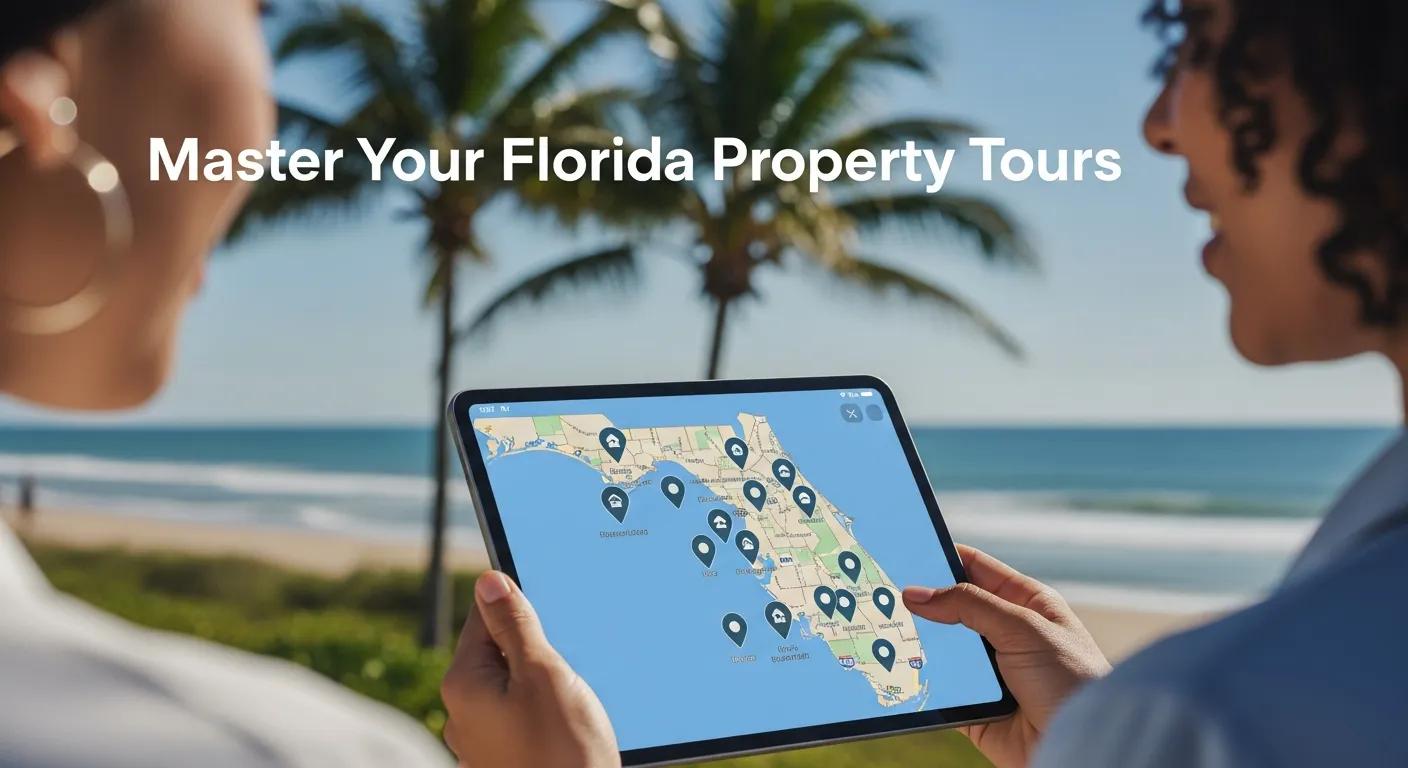
Master Your Florida Property Tours
A property tour is an in-person or virtual walkthrough that lets buyers inspect a home's condition, layout, and neighborhood context before making an offer. This guide delivers precise scheduling logistics, practical preparation checklists, staging advice, and open-house tactics tailored to Florida. Readers will learn efficient ways to book viewings, an actionable Florida-specific tour checklist, step-by-step seller prep, and do-and-don't guidance for open houses and virtual tours to reduce surprises and speed decisions. Many buyers and sellers struggle with scheduling showings around work schedules, seasonal weather, and competitive inventory; this guide explains tools and timing windows that save time and protect negotiating leverage. The article maps five core areas: efficient buyer-scheduling tactics, a focused buyer-tour checklist, seller preparation and staging priorities, open-house and virtual-tour best practices, and how Florida market and seasonal trends affect buyer-tour scheduling and prep. Throughout, you'll find targeted home-viewing tips and sample scripts, practical lists for quick implementation, and comparison tables to help prioritize inspections and prep tasks for Florida properties.
How Do Buyers Schedule Property Tours in Florida Efficiently?
A buyer schedules property tours by combining agent coordination, online listings with booking tools, and virtual previews to quickly pre-qualify homes, reducing wasted trips and speeding decision-making. This mechanism works because pre-screening with photos, floorplans, and short video walk-throughs narrows the list to high-probability homes, and coordinated calendar booking eliminates back-and-forth. The specific benefit is saving time and increasing the chances of seeing desirable listings during key windows (evenings, weekends, twilight showings) when sellers are most available. Buyers who adopt a multichannel approach — direct agent message, portal booking, and a quick virtual preview — will typically see higher scheduling success and better tour preparedness. Next, we'll examine the primary methods and tools buyers should use to arrange tours and when to prefer virtual previews over private showings.
What Are the Best Methods to Schedule Real Estate Tours in Florida?
Buyers should use multiple scheduling channels—direct agent contact, MLS/portal booking, broker scheduling apps, and virtual tour pre-screens—to balance speed and reliability. Direct agent contact is fast and personal for private showings, while MLS/portal booking offers standardized availability and sometimes automated confirmations; broker apps can sync calendars and reduce conflicts.
Sample script: "Hi — I'm preapproved and flexible evenings; can we book a 6pm private showing for 123 Main St this Thursday?"
Use a virtual preview to see photos or a 3D tour that reveal potential deal-breakers before committing to travel. When speed and certainty matter, choose agent contact for competitive markets and portal booking for steady inventories, and use virtual tours to triage listings efficiently.
How Far in Advance Should Buyers Schedule Florida Home Tours?
Lead time depends on market tightness, property type, and season; in balanced markets, 24–48 hours is often enough, while in competitive or high-demand markets, booking 3–7 days ahead is typically required. For waterfront, new-construction, or high-end listings, expect longer lead times and more coordination with listing agents; for tenant-occupied rentals, a longer notice window is standard. Twilight showings and weekend afternoon slots are in high demand—reserve them early—and last-minute showings can sometimes be secured by signaling strong interest and flexible timing to the listing agent. Prioritizing tours requires weighing urgency against availability: schedule top-priority homes first and leave backup times for second-tier properties to avoid conflicts and maintain negotiating flexibility.
What Should Buyers Include in a Florida Property Tour Checklist?

A focused property tour checklist helps buyers spot common Florida issues, document condition, and quickly capture negotiation points; inspect structural, mechanical, and climate-specific items; and collect seller disclosures for follow-up. The mechanism is to standardize note-taking and questions so important items (roof age, HVAC condition, pool safety, drainage) are not missed during short visits. The result is more transparent decision-making, better-informed inspections, and stronger offers backed by facts. Below is a compact checklist buyers can use on every Florida showing to prioritize follow-up and inspections.
- Check external roof condition and age, and note missing or damaged shingles.
- Test the air conditioning, listen for irregular compressor sounds, and check the vents for cool airflow.
- Inspect for moisture, musty odors, and visible mold in closets, under sinks, and other damp areas.
- Evaluate grading and drainage around the foundation for signs of pooling or improper slope.
- Verify the presence and condition of hurricane shutters or impact-rated windows and doors.
- Assess pool safety features, equipment condition, and cover any visible leaks or stains.
- Ask for seller disclosures, recent inspection reports, and documentation for major systems.
This checklist gives buyers repeatable steps to capture the highest-value observations during a tour and prepares them for targeted professional inspections. The following section breaks these points into Florida-specific inspection cues and red flags.
This table compares inspection priorities and what to capture on a buyer tour so you can route follow-up inspections efficiently. Next, we'll provide more granular guidance on Florida-specific inspections and common red flags to watch for.
Which Key Features Should Buyers Inspect During Florida Home Tours?
In Florida, prioritize roof age and hurricane protection, HVAC condition, site grading, and signs of moisture or wood-destroying organisms, since climate stressors accelerate wear. Inspect the roof for curling or granular loss and check attics for stains; roofs near the coast may need impact-rated materials. Run the air conditioning to confirm cooling and listen for grinding or rattling that signal compressor or blower issues; note when the filters were last changed. Check exterior grading and gutters for proper runoff and look for algae or persistent damp spots in crawlspaces and under porches. If tthere'sa pool, verify barriers, look for equipment corrosion, and note any staining that suggests leaks; these observations guide targeted inspections and insurance questions.
What Questions Should Buyers Ask During Florida Property Tours?
Ask concise, prioritized questions about system ages, utility costs, recent repairs, and insurance history to reveal hidden costs and risk exposures relevant in Florida markets. Key condition questions: "How old is the roof and HVAC?" "When were major systems serviced or replaced?" Cost and insurance questions: "Has the property had recent flood or wind claims?" and "Is the home in a known flood zone?" Neighborhood and logistics questions: "What are typical commute times, local school zones, and HOA rules?" Save deeper title or lien questions for post-tour research with your agent. These targeted questions ensure you collect necessary data for underwriting offers and negotiating contingencies.
How Can Sellers Prepare Their Florida Homes for Successful Showings?
Preparing a Florida home for showings means prioritizing decluttering, climate control, minor repairs, and highlighting outdoor living spaces to meet buyer expectations and shorten time on market. The mechanism is to reduce friction for buyers by presenting a clean, neutral, and seasonally-appropriate environment that eases inspection and appraisal processes. The benefit is faster, stronger offers because buyers perceive the home as well-maintained and move-in ready. Sellers should follow a task timeline from two weeks before listing through the day of the showing, hitting the highest-impact items first. Below , we provide a timeline checklist and a comparative table of everyday prep actions with estimated costs and times.
This comparison helps sellers choose which prep actions deliver the best return, given time and budget constraints. Next, we'll outline the chronological steps sellers should take before showings.
What Are Essential Steps to Prepare Your Home for Showing in Florida?
Start prep 7–14 days before listing, including cleaning, repairs, and documentation, then refine presentation 1–3 days before showings, and finalize day-of details to maximize buyer impressions. Early tasks include decluttering, scheduling minor repairs, obtaining seller disclosure documents, and confirming service records for HVAC and pool equipment. On the final day, our focus is on deep cleaning, neutralizing odors, adjusting indoor humidity and AC settings, refreshing landscaping, and staging key rooms to emphasize flow and outdoor connections. On showing day, ensure carpets are vacuumed, countertops are show-day clean, lights are on, and windows are open where security and comfort permit; leaving the property during showings improves buyer comfort and prevents distractions. These timeline steps reduce last-minute panic and present the home as move-in-ready, helping secure stronger offers quickly.
How Does Staging Enhance Florida Home Showings?
Staging enhances showings by creating a neutral, aspirational living environment that emphasizes space, airflow, and outdoor living—attributes Florida buyers value highly. The mechanism is psychological: staged spaces help buyers visualize lifestyle use, especially lanais, patios, and pool areas, which can shift buyer perception even when square footage is similar to that of unstaged homes. Practical staging actions include decluttering, using light, coastal-neutral furnishings, adding plants for tropical appeal, and ensuring outdoor seating is tidy and inviting. The ROI often favors staging for mid- to upmarket listings because it shortens marketing time and can increase offer prices, though DIY staging suits sellers on tight budgets. When deciding between pro staging and DIY, weigh the budget, local competition, and whether the property's layout benefits from professional spatial design.
What Are Effective Tips for Hosting Florida Open Houses and Virtual Tours?

Open houses and virtual tours are complementary: open houses capture walk-in traffic and immediate feedback while virtual tours extend reach and pre-qualify remote buyers; each format requires different prep and lead-capture tactics. The mechanism behind effective events is clear presentation and simple CTAs: open houses need signage, clean flow, and agents ready to answer neighborhood questions, while virtual tours need crisp lighting, steady camera work, and digital lead forms. The combined benefit is maximizing exposure and collecting actionable leads to fuel follow-up showings and offers. Below are structured do/don't lists for both formats, along with a comparative EAV table to guide event planning.
Before the table, understand that choosing the correct format depends on the audience: local walk-in buyers favor open houses, while relocation and out-of-state buyers rely on virtual tours for first impressions and to schedule private viewings.
This table helps sellers weigh event types by practice and expected outcomes to allocate time and budget effectively. Next, we'll provide practical curb appeal and virtual-tour technical tips.
How to Maximize Curb Appeal and Interior Presentation for Florida Open Houses?
Maximize curb appeal with low-maintenance tropical landscaping, pressure-washed driveways, and a welcoming entry; inside, control humidity, brighten rooms, and remove personal items to help buyers imagine themselves living there. In Florida's climate, use salt- and sun-tolerant plants, keep gutters tidy, and ensure exterior lighting is functional for twilight showings. Interior steps include setting the AC to a comfortable temperature, letting the curtains, natural light, and using subtle, fresh scents rather than overpowering fragrances. A last-minute arrival checklist—removing shoes, securing pets, turning on interior lights, and ensuring the pool area is clean—keeps the property ready for guests. These practical actions create an immediate positive impression and lead naturally into follow-up private showings.
- Do a freshen-up of landscaping, pressure-wash visible surfaces, and stage a small patio seating area.
- Set the AC to comfortable settings and open the curtains to showcase natural light.
- Don't leave piles of mail, personal photos, or clutter that distract buyers from the home's features.
What Are Best Practices for Virtual Home Tours in Florida?
Produce virtual tours that highlight exterior context, water features, and interior flow with steady camera movement, natural-light framing, and concise narration that addresses HVAC, roofing age, and hurricane prep.
Use a shot list:
- Exterior curb-to-entry
- Primary living spaces in sequence
- Kitchen and master suite highlights
- Outdoor amenities (lanai, pool, seawall) with close-ups of mechanical equipment
Prioritize a clean, dehumidified interior, record during daytime for natural light, and include captions or a short on-screen factsheet listing system ages and recent maintenance. Capture lead information via a clear call to action at the tour's end, and follow up promptly with a personalized message offering a private showing. These practices improve remote buyer confidence and convert virtual interest into scheduled in-person tours.
How Do Florida Market Trends Impact Property Tour Scheduling and Preparation?
Florida market trends influence lead times, pricing expectations, and inspection focus—buyers and sellers must adapt scheduling and preparation strategies to current inventory and insurance dynamics. The mechanism is straightforward: in tighter markets, shorter lead times and faster offers mean buyers must be ready to tour and make decisions quickly, while rising inventory gives sellers more time but increases the importance of standout staging. The benefit of understanding trends is improved timing for showings, better negotiation positioning, and realistic expectations for repair requests and insurance disclosures. Belo,w we summarize current trend implications and then examine seasonal and climate-driven scheduling adjustments.
What Are Current Florida Real Estate Market Trends Buyers and Sellers Should Know?
Recent conditions (as of mid-2024) show moderation in price growth and a gradual increase in inventory in many Florida metros, together with persistent insurance and coastal-cost pressures that affect buyer demand and underwriting. For buyers, this means more choices but continued scrutiny of insurance availability and premiums for coastal properties; for sellers, it means focusing on presentation, transparency, and disclosure to attract qualified offers. Mortgage rate sensitivity still influences buyer urgency—small shifts can change the balance between immediate offers and cautious shopping. These trends imply that scheduling should be flexible: buyers keep preapproval current, and sellers prioritize easy-show readiness to capture timely interest.
How Do Seasonal and Climate Factors Affect Property Tours in Florida?
Seasonal and climate factors—hurricane season, winter migration, and summer humidity—shape optimal showing windows, staging choices, and contingency plans for tours; scheduling should avoid peak heat and storm threats and emphasize climate resilience features. Hurricane season (June–November) necessitates flexible tour cancellation policies and pre-arranged virtual previews in case of weather events, while the winter migration months (late fall through spring) often bring higher buyer traffic and more showings. Climate-driven staging should prioritize dehumidification, functioning HVAC, and visible hurricane protections to reassure buyers. Timing tours for morning or early evening reduces heat discomfort and maximizes buyer attendance while allowing clear exterior inspections outside the hottest part of the day.
For buyers and sellers navigating Florida showings, combining market awareness with practical scheduling tools delivers the best outcomes: use virtual previews to triage listings, maintain flexible calendars, and present homes that emphasize climate-readiness and outdoor living. Morgando Realty Services, operating throughout Florida with deep local knowledge, can assist buyers and sellers by coordinating efficient tour schedules, advising on staging priorities, and connecting clients to inspection and staging resources that match regional expectations. Their local expertise complements the strategies above by helping align timing, disclosure readiness, and lead follow-up to current Florida market conditions.
Frequently Asked Questions
What are the benefits of virtual property tours in Florida?
Virtual property tours offer several advantages for buyers in Florida. They allow potential buyers to explore homes remotely, saving time and travel costs. This is especially beneficial for out-of-state buyers or those with busy schedules. Virtual tours can highlight key features of a property, such as layout and outdoor spaces, while also providing a comprehensive view of the neighborhood. Additionally, they can help buyers pre-qualify homes before scheduling in-person visits, ensuring that they only tour properties that meet their criteria.
How can sellers effectively market their homes during open houses?
Sellers can enhance their open house marketing by creating an inviting atmosphere and utilizing adequate signage. It's essential to ensure the home is clean, well-lit, and clutter-free to make a positive impression. Providing refreshments can also encourage visitors to linger longer. Sellers should prepare to answer common questions about the property and neighborhood, and consider using social media and local listings to promote the event. Engaging with visitors and collecting their contact information can help in following up with potential buyers after the event.
What should buyers know about Florida’s hurricane season when scheduling tours?
Florida's hurricane season, which runs from June to November, significantly impacts property tour scheduling. Buyers should be aware that severe weather can lead to tour cancellations or rescheduling. It's advisable to maintain flexibility in scheduling and to have contingency plans, such as virtual tours, in case of inclement weather. Additionally, buyers should inquire about a property's hurricane preparedness features, such as impact windows and roof condition, during tours to ensure they make informed decisions in a climate-sensitive market.
How can buyers assess the neighborhood during property tours?
Assessing the neighborhood is crucial during property tours. Buyers should take into account the overall condition of nearby homes, the presence of amenities such as parks and schools, and the community's general vibe. It's beneficial to visit at different times of day to gauge traffic patterns and noise levels. Engaging with neighbors can provide insights into the community's culture and safety. Additionally, buyers should research local schools, crime rates, and future development plans to ensure the neighborhood aligns with their lifestyle and investment goals.
What are common pitfalls to avoid during property tours in Florida?
During property tours in Florida, buyers should avoid common pitfalls such as rushing through the inspection or neglecting to ask important questions. It's essential to take notes and document observations to compare properties later. Buyers should also be cautious of overlooking climate-related issues, such as drainage problems or signs of mold, which can be prevalent in humid areas. Additionally, failing to consider the long-term implications of property features, like insurance costs related to hurricane risks, can lead to unexpected expenses down the line.
How can sellers highlight outdoor living spaces during showings?
In Florida, outdoor living spaces are a significant selling point. Sellers can enhance these areas by keeping them clean, well-maintained, and inviting. Adding comfortable seating, outdoor lighting, and decorative elements can create an appealing atmosphere. It's also beneficial to showcase features like pools, patios, and gardens during tours. Sellers should consider staging these spaces to reflect potential uses, such as entertaining or relaxing, which can help buyers envision their lifestyle in the home. Highlighting the benefits of outdoor living can significantly increase buyer interest.

Gina Morgando is a licensed Broker & Realtor serving Sarasota, Manatee, and Palm Beach Counties. With over 10 years of experience, she helps buyers, sellers, and investors make confident real estate decisions across Florida.